

Aortic Valve Replacement Cost in India
Last updated: April 19, 2026
Starting from USD 14,000
INCLUDES
- FDA Approved Implant
- Surgery and Stay at the Hospital
- Pre-operative Investigations
- Medicines, Consumables & Food at the hospital
- Airport Transfers & MediTraWell assistance
DOES NOT INCLUDE
- Accommodation outside the Hospital
- Air tickets
- Medical Visa fee
STAY REQUIRED
- Stay at the Hospital - 1 to 2 days
- Stay at the Hotel - 7 to 8 days
- Stay in India - 8 to 10 days
With end to end services for your hassle-free Cancer Treatment in India, MediTraWell has made the entire process of seeking medical tourism in India easy and hassle free for you besides making it affordable.
Factors that Affect AICD Cost in India
- Type of AICD
A significant portion of the overall AICD cost in India arises from the type of implant used. There are different types of implants available which include s ingle chamber, dual chamber, biventricular, and subcutaneous implant. The doctor shall recommend the appropriate implant depending on your medical condition and requirements. MediTraWell recommends you explore the options by consulting our expert Interventional Cardiologists.
- Cardiologist’s Fees
A significant component of an AICD cost in India is the heart surgeon’s fees. MediTraWell recommends highly experienced, skilled, board-certified heart surgeons who can deliver excellent results. While the charges may vary based on the surgeon’s experience, you can be confident that you are in safe and capable hands when opting for affordable heart surgery in India with MediTraWell Health Tours.
- Your Choice of Surgical Facility
Selecting an accredited medical facility with skilled and qualified medical staff is essential for the success of AICD procedure in India. Larger cities in India generally provide superior medical facilities and more experienced heart surgeons, leading to higher costs. MediTraWell Health Tours recommends surgical facilities in these larger cities to prioritize quality of care and ensure safety of our overseas guests.
- Surgery-Related Expenses
The expenses related to AICD surgery include the pre- and post-surgical expenses. The amount of pre-surgical expenses depends on the age and medical condition of the patient and thus the number and type of investigations that may be required. The amount of post-surgical expenses depend on prescription medications and extent of follow-up consultations required.
We Customize AICD Cost in India Quote to Suit Your Preferences
At MediTraWell Health Tours, we consolidate most of the expenses for your AICD cost in India to provide you with an inclusive and cost-effective package tailored to your budget and individual requirements. After receiving medical reports, your case manager will provide an estimated cost based on a discussion with the heart surgeon in India.
The final AICD cost in India can however be confirmed after your face-to-face consultation with the heart surgeon.
We at MediTraWell, understand that you travel with a budget in mind and do not like to be greeted by surprises after arrival in India. We thus club all these expenses and give you a package cost that is inclusive and affordable at the same time.
Your case manager shall give you an estimated cost of your surgery after discussing your medical reports with the surgeon. The final cost, however, shall be confirmed after your consultation with the surgeon.
Medi Trawell Services
Making Medical Travel to India Affordable & Hassle-free for 15+ Years

We Help you Choose the Right Treatment, Surgeon & Hospital

We Arrange Video/Telephonic Consultation with the Surgeon

We Assist you with Visa & Accommodation

We Receive you at the Airport and Drop you at Hotel/Hospital

We Assist you the at Hospital & Provide Post Operative Support
Our services are FREE for our patients.
In fact, we have Special Negotiated Rates with the Hospitals and you can avail Discounted Rates when you choose to Travel with MediTrawell. Container
Cardiac Procedures We Offer
Here is a compilation of the heart treatment options we provide in India.
- Holter Monitoring
- Alcohol Septal Ablation
- AICD
- Coronary Angiography
- Coronary Angioplasty (PTCA)
- Pacemaker Implantation
- Cardiac Bypass (Heart Bypass)
- ASD Device Closure
- Aortic Valve Replacement
- ASD Treatment
- VSD Treatment
- Cardiac Tumor Surgery
- EP Study
- Balloon Valvuloplasty
- Bentall Procedure
- Cardiac Ablation
- Minimally Invasive Heart Bypass
- Valve Replacement Surgery
- Pediatric Heart Surgery
- Robotic Heart Surgery
- Heart Transplant
- LVAD (Left Ventricular Assist Device)
- TAVR (Transcatheter Aortic Valve Replacement)
- Truncus Arteriosus Repair
Best cardiologist in India
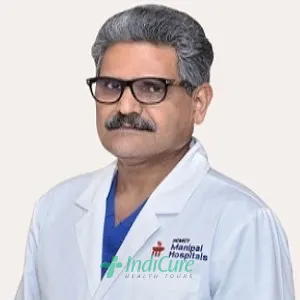
Dr. Y K Mishra
Cardiac Surgeon
MBBS, MS, Fellowships, PhD
Delhi
Dr. Y K Mishra is one of India’s most known and skilled cardiac surgeons. With over 32 years of expertise, he is well-known and has successfully completed over 14,000 open heart procedures as well as over 500 robotic surgeries. He is the fourth Asian and the second Indian to receive this honor. Dr. A. P. J. Abdul Kalam presented him with the Lifetime Achievement Award, as well as an Honoris Causa Doctorate (Doctor of Science) from the Governor of Madhya Pradesh and the Chancellor of Rani Durgavati Vishwavidyalaya.
He has been invited as a guest lecturer from all over the world. He has a deep interest in training, teaching, and research work in addition to his clinical practice. He also chaired scientific sessions at national and international conferences in the United States, the United Kingdom, China, Italy, Japan, France, and the Far East. At his workshops in Thailand, Bangladesh, and Nepal, he presented live cases.
He is the fourth Asian and the second Indian to receive this honor. Dr. A. P. J. Abdul Kalam presented him with the Lifetime Achievement Award, as well as an Honoris Causa Doctorate (Doctor of Science) from the Governor of Madhya Pradesh and the Chancellor of Rani Durgavati Vishwavidyalaya.
He graduated from the famed S. S Medical College in Rewa with a Master’s degree in surgery and a Bachelor’s degree in medicine (MP). Afterwards, he earned his PhD in Cardiovascular Surgery from Moscow’s Bakulev Institute of Cardiovascular Surgery. Dr. Mishra received his Fellowship in Cardiovascular surgery from the University Hospital Uppsala’s Thoracic Centre. He has received training in the following areas: Robotic Cardiac Surgery from Odessa, Texas, USA, University Hospital Utrecht, Netherlands, and Ohio State University Columbus Medical Center, USA. From Odessa, Texas, USA, he did a special course in Minimally Invasive Cardiac Surgery in endoscopic IMA harvesting at the Institute of TeleSurgery from the University of Strasbourg, France, and from Heart Port Research & Training Centre in Salt Lake City, Utah, USA. Dr. Mishra is the only member of the International Society for Minimally Invasive Cardiac Surgery’s Board of Directors.
He also chaired scientific sessions at national and international conferences in the United States, the United Kingdom, China, Italy, Japan, France, and the Far East.
Afterwards, he earned his PhD in Cardiovascular Surgery from Moscow’s Bakulev Institute of Cardiovascular Surgery. Dr. Mishra received his Fellowship in Cardiovascular surgery from the University Hospital Uppsala’s Thoracic Centre. He has received training in the following areas: Robotic Cardiac Surgery from Odessa, Texas, USA, University Hospital Utrecht, Netherlands, and Ohio State University Columbus Medical Center, USA. From Odessa, Texas, USA, he did a special course in Minimally Invasive Cardiac Surgery in endoscopic IMA harvesting at the Institute of TeleSurgery from the University of Strasbourg, France, and from Heart Port Research & Training Centre in Salt Lake City, Utah, USA.
He is a Fellow Member of the Association Thoracic Cardiovascular Surgeons of India and a Founder Member of the Indian College of Cardiology. He is also the creator of the Payasuni Heart Valve Foundation, which focuses on rheumatic heart disease prevention and treatment. His specialization is minimally invasive heart surgery. Aortic surgery, robotic surgery, and beating heart coronary artery bypass
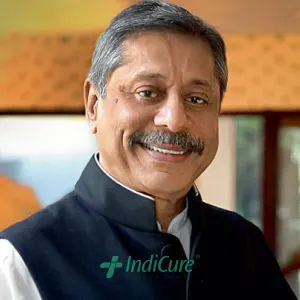
Dr. Naresh Trehan
Cardiac Surgeon
MBBS, Diplomate American Board
Gurgaon
With over 40 years of expertise, Dr. Naresh is considered one of the most successful cardiac surgeon in India, having conducted over 48000 cardiac procedures. He is also the founder of prestigious Escorts Heart Institute and Research Center and Chairman & Managing Director of Medanta, The Medicity.
Cardiomyoplasty, myocardial total arterial revascularization, transmyocardial laser revascularization, reduction ventriculoplasty (Batista Operation), heart port access surgery, aortic valve surgery, and robotically assisted cardiac surgery are among the cardiothoracic surgeries in which he specializes. Dr. Trehan also specializes in Cardiovascular Diseases and Cardiothoracic Surgery, such as thoracic surgeries for chest wall deformities, heart attacks, heart failure, and video-assisted minimally invasive cardiac surgery, among other procedures.
Diplomate in Surgery and Cardio-thoracic surgery in the United States
Dr. Naresh completed his medical education at King George’s Medical University in Lucknow in 1968, followed by Diplomate in Surgery and Cardio-thoracic surgery in the United States. In 2002, he was also awarded a Fellowship by the Royal Australasian College of Surgeons. Since 1991, he has been the President of India’s personal surgeon. Dr. Naresh Trehan has received numerous honors, including the Padma Shri, Padma Bhushan, and Lal Bahadur Shastri National Award, among others.
Fellowship by the Royal Australasian College of Surgeons
Padma Shri, Padma Bhushan, and Lal Bahadur Shastri National Award, among others
Former president of the International Society for Minimally Invasive Cardiac Surgery (ISMICS) in the United States, as well as a member of important organizations such as the Society of Thoracic Surgeons in the United States and the European Association for Cardio-thoracic Surgery, to mention a few.
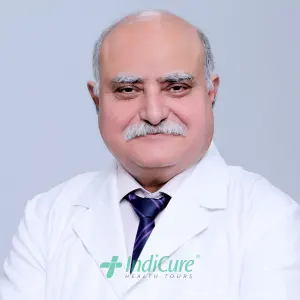
Dr. Ajay Kaul
Cardiac Surgeon
MBBS, MS, MCh, Fellowship in Heart & Lung transplant, Hannover Medical School, Fellowship in Minimally Invasive Cardiac Surgery, Lipzig Heart Centre, Germany
Delhi, NCR (Noida)
He graduated from Bombay University with a Master’s degree in Cardiothoracic and Vascular Surgery. He also has Fellowships in Cardiac Surgery, Cardiac Transplantation, and Minimally Invasive Surgery from prestigious institutions such as the Royal Prince Alfred Hospital in Germany, the Royal Melbourne Children’s Hospital in Melbourne, Hannover Medical School in Germany, and the Leipzig Cardiac Centre in Germany (Germany).
Dr. Ajay Kaul is a very prominent and accomplished cardiac surgeon in India. He has conducted over 15,000 Cardiac Surgeries and 4000 Total Arterial Coronary Bypass Surgeries in his 36-year career.
Royal Prince Alfred Hospital in Germany, the Royal Melbourne Children’s Hospital in Melbourne, Hannover Medical School in Germany, and the Leipzig Cardiac Centre in Germany (Germany).
Dr. Kaul is a multi-talented surgeon with expertise in complete Arterial Heart Bypass Surgery, Valve repair & replacement surgeries such as Aortic Valve Replacement, Mitral Valve Replacement, Pediatric Cardiac Surgery, Aneurysm Surgery, and Cardiac Failure Surgery. He has also received extensive training in cardiac transplantation and ventricular support devices. He is a member of the Cardiological Society of India and the Association of Cardiothoracic Surgery of India, among other organizations. Dr. Kaul has been featured in a number of notable news outlets, including ET Healthworld and NDTV establishing him as one of the best cardiac surgeons in India.
Best Cancer Hospitals in India
These are our top cancer hospitals in India, ensuring you receive the healthcare you deserve.
ART Fertility Clinics, New Delhi

Location: New Delhi
Speciality: Multi-Superspeciality
Loading...
Loading...
In 2015, IVI RMA Global launched ART Fertility Clinics in the Middle East under the brand name IVI Middle East. IVI RMA sold its ownership to Gulf Capital in January 2020, and the company was renamed ART Fertility Clinics. Mr. Suresh Soni, Chief Executive Officer, and Prof. Dr. Human Fatemi, Group Medical Director, have led ART Fertility Clinics since its establishment (MD, Ph.D. at the University of Brussels, Belgium). In the last six years, ART Fertility Clinics has grown to become the top institute for Human Reproductive Medicine in the Middle East, with clinics in Abu Dhabi, Muscat, and Dubai.
Fortis Hospital, Nagarbhavi, Bangalore
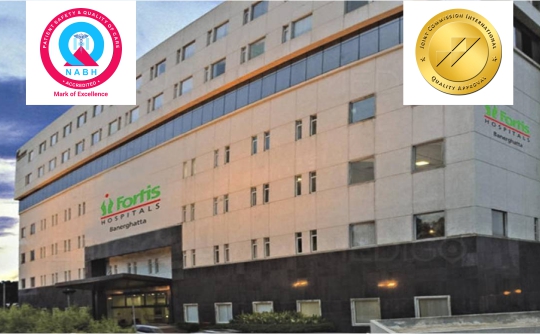
Location: Bangalore
Speciality: Multi-Superspeciality
Accreditation: Accreditation : NABH
No. of Beds: Beds : 75
The Fortis Hospital in Nagarbhavi, which opened its doors in 2003, is NABH recognized facility. It has obtained the prestigious Economic Times Health World Hospital Award as one of the finest hospitals for Cardiac care for adults and children. Fortis is the most trusted healthcare network in the world. They provide a comprehensive range of integrated healthcare services, including clinics, quaternary care facilities, and a variety of ancillary services. The team consists of highly-trained specialists as well as competent and experienced personnel. The hospital is well-equipped with the most up-to-date treatment options. In addition to cardiology, the team skillfully handles orthopedics, liver care, gastroenterology, and urological issues.
What is Aortic Valve Replacement?
Aortic valve repair and replacement are operations used to address disorders of the aortic valve, which is one of four valves that regulate blood flow through the heart.
The aortic valve keeps blood flowing through the heart in the right direction. It connects the main pumping chamber of the heart (left ventricle) to the major artery that carries oxygen-rich blood throughout your body (aorta).
The aortic valve opens with each ventricular contraction, allowing blood to flow from the left ventricle into the aorta. The aortic valve closes when the ventricle relaxes, preventing blood from flowing backward into the ventricle. When the aortic valve isn’t functioning properly, it can obstruct blood flow and make the heart work harder to pump blood to the rest of the body. Aortic valve repair or replacement can help treat aortic valve disease by restoring normal blood flow, reducing symptoms, prolonging life, and preserving heart muscle function. Surgery for aortic valve disease is associated with the severity of your condition, whether you have signs and symptoms, and whether your condition is worsening. Aortic Valve Repair or Replacement is advised when:
- The valve is leaky (aortic insufficiency, also known as aortic regurgitation)
- The valve is narrowed and doesn’t open fully (aortic stenosis)
The aortic is the most commonly replaced valve. The replaced valves can be made either of tissues from animals or humans and mechanical valves made of man-made material.
- Tissue valve where an animal or human donor is used
- Mechanical valve is made of durable materials
When is Aortic Valve Replacement Required?
The Valve Replacement surgery is indicated in the following conditions:
Congenital Heart Valve Diseases such as narrow or leaking valves, and bicuspid aortic valves. Acquired Heart Valve Diseases such as Calcification of the valves, Infection such as Infective endocarditis or Syphilis, Rheumatic valve disease, Angina, tumors of the valve, Hypertension, enlarged heart muscles known as Cardiomyopathy, increased opening of the annulus of the valve and Aortic aneurysm to name a few.
How is Aortic Valve Replacement Done?
Valve replacement surgery is done under general anesthesia and takes about four to five hours. The surgery is done either as an open-heart surgery where the patient is put on a heart-lung machine or rarely as beating heart surgery without the use of heart-lung machine, when the patient’s heart is normally beating.
Step 1: After the incision is made and breastbone and ribs are separated, the surgeon will then open the heart and will trace the faulty valve.
Step 2: The edges around the valve are slightly sliced to help loosen it from the tendons that connect it to the rest of the heart and then the valve can be removed.
Step 3: The new valve is then inserted and attached into place. After the surgery is done, the patient is taken off the bypass machine, and the chest is closed.
What is the Recovery After Aortic Valve Replacement Like?
Aortic valve replacement surgery has an exceptional outcome and gives extremely satisfying results. The majority of patients who undergo the procedure return to normal activities after the operation. Their quality of life also improves because they no longer have difficulty breathing, fainting spells, or palpitations.
Questions you must ask
Here is a set of questions you should consider asking before commencing your journey for Aortic Valve Replacement surgery in India.
- Is the heart surgeon board certified?
- How experienced is the Surgeon?
- Which language does the surgeon speak?
- Is the treatment done in a well-equipped facility?
- What treatment option is recommended for me?
- What about the risks involved?
- Does the surgeon use a certified anesthetist?
- How long will the recovery period be?
Be ready to respond about:
Prepare to answer questions about your:
- Medical history and exams
- Previous surgeries
- Current medication review
- History of smoking, drugs, or alcohol