

Blood Cancer Treatment Cost in India
Last updated: April 19, 2026
Blood Cancer Treatment Cost in India depends on the type of treatment required, your medical condition, hospital and the city where you choose to get the treatment done.
Typical Costs for Blood Cancer Treatment in India looks like:
| Procedure | Cost (Range in US $) |
|---|---|
| Investigations | 500-1000 |
| Chemotherapy | 500-2000 per cycle |
| Radiotherapy | 3500-5500 |
| Targeted Therapy | 4500-5500 |
| Bone Marrow Transplant | 15,000-18,000 |
With end to end services for your hassle-free Cancer Treatment in India, MediTraWell has made the entire process of seeking medical tourism in India easy and hassle free for you besides making it affordable.
Factors that affect Blood Cancer Treatment Cost in India:
- Oncologist’s Fees
An important expense when it comes to your blood cancer treatment is going to be your oncologist’s fees. MediTraWell recommends highly experienced, skilled, board-certified doctors who are capable of delivering successful treatments. Although the charges may vary depending on the experience of the doctors, you can be assured that you are in safe and skilled hands when you choose cancer treatment in India with MediTraWell.
- Number of Chemotherapy and Radiation Cycles
The overall blood cancer treatment cost depends on the number of chemotherapy, radiation, or biological therapy cycles that a patient has to undergo. The number of cycles of chemotherapy, radiation, or biological therapy to kill the cancerous cells varies depending on the stage and medical condition of the patient.
- Need for Bone Marrow Transplant
There are different types of therapies, the choice of which depends on the stage or grade of the cancer and the overall health of the patient. But, if all the therapies fail to treat the blood cancer, the doctor may recommend bone marrow transplant or stem cell transplant. This affects the overall cost of blood cancer treatment.
- Surgical Facility
Having your treatment or bone marrow transplant for blood cancer in an accredited surgical facility by skilled and qualified medical staff is a critical factor. Moreover, the geographical location of this facility also affects the quote. But, MediTraWell provides you with a projected estimate that will be affordable.
- Additional Expenses
The additional expenses include the pre- and post-surgical expenses. The pre-treatment expenses are associated with the stage of the cancer and medical condition of the patient and thus the number and type of investigations required. Post-treatment expenses may include prescription medications and follow-up consultations.
We at MediTraWell, understand that you travel with a budget in mind and do not like to be greeted by surprises after arrival in India. We thus club all these expenses and give you a package cost that is inclusive and affordable at the same time.
Your case manager shall give you an estimated cost of your surgery after discussing your medical reports with the surgeon. The final cost, however, shall be confirmed after your consultation with the surgeon.
Medi Trawell Services
Making Medical Travel to India Affordable & Hassle-free for 15+ Years

We Help you Choose the Right Treatment, Surgeon & Hospital

We Arrange Video/Telephonic Consultation with the Surgeon

We Assist you with Visa & Accommodation

We Receive you at the Airport and Drop you at Hotel/Hospital

We Assist you the at Hospital & Provide Post Operative Support
Our services are FREE for our patients.
In fact, we have Special Negotiated Rates with the Hospitals and you can avail Discounted Rates when you choose to Travel with MediTrawell. Container
Cancer Treatments We Offer
Here is a compilation of the cancer treatment options we provide in India.
- Leukemia
- Multiple Myeloma
- Aplastic Anemia
- Osteosarcoma
- Squamous Cell Carcinoma
- Pancreatic Cancer
- Eye Cancer
- Bladder Cancer
- Cervical Cancer
- Penile Cancer
- Endometrial Cancer
- Skin Cancer
- Bone Cancer
- Esophagus Cancer
- Kidney Cancer
- Testicular Cancer
- Breast Cancer
- Lung Cancer
- Ovarian Cancer
- Gallbladder Cancer
- Thyroid Cancer
- Colon Cancer
- Prostate Cancer
- Blood Cancer
Best Oncologists in India

Dr. Meenu Walia
Medical Oncologist
MBBS, MD, DNB
Delhi
About Doctor: Dr. Meenu Walia has an experience of more than 27 years in the field of Medical Oncology and Hematology. She is the keen Clinical researcher and principal investigator for several randomized multi-centric international clinical research trials.
She is highly skilled in treating Abdominal Solid Organ Cancers, Gastro-Intestinal Cancers, and Leukemia/Lymphoma. She is a Member of the American Society of Clinical Oncologists and the European Society for Medical Oncology, among other important organizations (ESMO). Clinical research is a specific focus of hers. She has served as the Principal Investigator for a number of randomized multicenter international clinical trials.
She is a Member of the American Society of Clinical Oncologists and the European Society for Medical Oncology, among other important organizations (ESMO). Clinical research is a specific focus of hers. She has served as the Principal Investigator for a number of randomized multicenter international clinical trials.
Dr. Walia is the first DNB Medical Oncologist in the country and has been honored with various awards during her tenure. India Today Group has honored her with the certificate for excellence in recognition of the exemplary work and dedication in the field of healthcare. She was also awarded the “Bharat Jyoti Award” and certificate for excellence by Dr. Bhishma Narain Singh- The former Governor of Tamil Nadu and Assam for her meritorious services, outstanding performance, and remarkable role in healthcare.

Dr. Prof Suresh H Advani
Medical Oncologist
MBBS, MD, FICP, MNAMS, FNAMS, Fellowships
Mumbai
Prof. Dr. Suresh Advani, is one of the most renowned and acclaimed medical oncologists in India. Dr. Advani has 43 years of expertise as a physician, pediatric-oncologist, and hemato-oncologist.
He is credited with being the first to perform hematopoietic stem cell transplantation in India. The wheelchair-bound doctor was diagnosed with poliomyelitis when he was eight years old and went on to study at Grant Medical College in Mumbai (where he earned his MBBS and MD Medicine degrees), after which he served as a medical oncologist at Tata Memorial Centre for several years.
He is credited with being the first to perform hematopoietic stem cell transplantation in India.
He went on to receive a Fellowship in the field of bone marrow transplantation from the Fred Hutchinson Cancer Research Center in Seattle, Washington where he worked with Dr. E Donnall Thomas, renowned as the “Father of BMT” and winner of the Nobel Prize in Medicine in 1990. He also received the Fellowship of Yamagiwa-Yoshida Memorial International Cancer Study Grant of the International Union Against Cancer in 1986.
Dr. Advani is credited with becoming the first oncologist in India to perform a successful bone marrow transplant, and establishing the first bone marrow transplantation setup in India. He also took part in clinical trials for lymphoblastic leukemia patients. The trials, which involved 1,200 patients, managed to increase therapy success rates from 20% to 70%.
Dr. Advani is credited with becoming the first oncologist in India to perform a successful bone marrow transplant, and establishing the first bone marrow transplantation setup in India.

Dr. Vinod Raina
Medical Oncologist
MBBS, MD, MRCP, FRCP
Gurgaon
Dr. Vinod Raina is one of the foremost medical oncologist and haematologist in India. He has rich and extensive experience of more than three decades and has over 600 transplants- under his belt for various cancers which is the largest number in India in the last 20 years. He also has to his credit the first high dose chemotherapy and peripheral blood stem cell transplant in India.
He also has to his credit the first high dose chemotherapy and peripheral blood stem cell transplant in India
Concurrent Bio-Radiotherapy for Head and Neck Cancers, Hematology, Medical oncology, high dose chemotherapy, peripheral blood stem cell transplant are the areas of his expertise. Concurrent Bio-Radiotherapy, Pediatric Chemotherapy, and Palliative Bio-Radiotherapy are some of his special interests.
Best Cancer Hospitals in India
These are our top cancer hospitals in India, ensuring you receive the healthcare you deserve.
Gleneagles Global Health City, Perumbakkam, Chennai
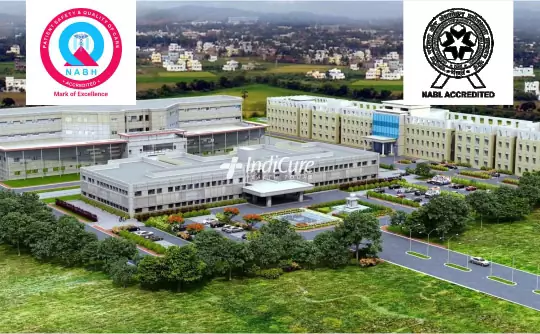
Location: Chennai
Speciality: Multi-Superspeciality
Loading...
No. of Beds: Beds : 1000
Global Health City, Chennai is the flagship and largest hospital of Gleneagles hospitals in India. Spread over 21 acres, the hospital has over 1000 beds and has accreditations from many international agencies. The hospital is a super-specialty quaternary care facility, offering best-in-class services using cutting-edge technology and highly skilled and experienced healthcare professionals. The hospital attracts a lot of international patients and is most famous and renowned for kidney and liver transplants in India. kidney and liver transplants in India.
Neurogen Brain & Spine Institute, Mumbai

Location: Mumbai
Speciality: Multi-Superspeciality
Accreditation: Accreditation : International Organization for Standardization (ISO)
No. of Beds: Beds : 75
NeuroGen Brain & Spine Institute is well-known for offering treatment options for incurable neurological disorders by using ground breaking regenerative medicine, all-encompassing holistic neurorehabilitation, and medical intervention. Being considered as one of the best hospitals in Mumbai, NeuroGen’s distinctive feature lies in its seamless integration of the latest advancement of stem cell/ bone marrow-derived cells, with well-established and proven rehabilitation methods. The NeuroGen Brain and Spine Institute has a cutting-edge lab. To carry out the processing, it is adequately equipped with a variety of sophisticated instruments. They have a staff of specialist neuropathologists that perform this surgery in a thoroughly sterile environment. ‘Best Hospital’ in 2017 at The Europe Business Assembly (EVA) in Dubai’s Inspirational Company’ in 2017 by the World Confederation of Business ‘European Awards for Best Practices 2018’ in Brussels, Belgium, in 2018 by the ‘The European Society of Quality Research’ ‘National Healthcare Excellence Award.’ in 2016 in New Delhi.
Blood Cancer Treatment
Hematological cancer, commonly known as blood cancer, is cancer of the blood cells and organs that make up blood. Blood cancers occur in the bone marrow or lymphatic tissue of the body and have a significant impact on blood cell production and the immunological response of the body.
There are 3 major kinds of blood cancers:
- Leukemia
- Lymphoma
- Myeloma
Leukemia
Leukemia is a cancer of white blood cells that begins in the bone marrow, which is where blood cells such as WBCs, which defend us from infections, RBCs, which carry and supply oxygen to all areas of our body, and platelets, which help to clot the blood when an injury, are produced. In leukemia, the bone marrow creates a large number of abnormal white blood cells that do not function normally, expand quickly, and infiltrate regular blood cells, causing problems such as bleeding, anemia, and infections. It can progress and spread to lymph nodes or other organs, causing symptoms.
Acute and chronic leukemia are two different types of leukemia. It can impact only WBCs or cells that normally grow into RBCs, granulocytes, or platelets (Myelogenous leukemia).
- Acute lymphoblastic leukemia (ALL)
- Acute Myelogenous leukemia(AML)
- Chronic lymphocytic leukemia(CLL)
- Chronic Myelogenous leukemia(CML)
Lymphoma
Lymphoma is lymphatic system (an key element of the immune system) cancer, especially lymph node cancer (small bean-shaped structures of the lymphatic system that filter out harmful substances). It affects lymphocytes, a type of white blood cell.
Lymphoma is divided into two categories: Hodgkin lymphoma, which is named after the doctor who first discovered the disease, and non-Hodgkin lymphoma, which encompasses approximately 60 other forms of lymphoma.
Hodgkin lymphoma (HL): is an uncommon cancer that affects only around 12% of lymphoma patients. It is a form of lymphoma that seldom spreads to other organs in the body and is regarded as a fairly curable lymphoma. Reed-Sternberg cells, which are big, aberrant lymphocytes that grow in number as illness severity increases, are one of the characteristics that distinguishes HL from other diseases.
Non-Hodgkin lymphoma (NHL): B-lymphocytes (B cells), T-lymphocytes (T cells), and natural killer cells (NK cells) are three types of white blood cells in the lymphatic system that are affected by non-Hodgkin lymphoma (NHL) (NK cells). B-cell lymphomas are the most frequent type of NHL, accounting for up to 85% of all cases. NHL has been known to extend to other organs including the liver, brain, and bone marrow.
Myeloma
Myeloma is a type of cancer that affects the plasma cells, which are lymphocytes that produce antibodies to fight infections. Myeloma weakens your immune system, making you vulnerable to infection.
Plasma cells make up less than 5% of bone marrow in a healthy person. Antibodies are produced by plasma cells to battle a variety of infections that your body may face. Abnormal plasma cells, also known as myeloma cells, can build up in the bone marrow and crowd out healthy cells, resulting in low blood levels, bone weakening, and fracture risk.
Multiple Myeloma is a type of blood cancer that is named from the fact that it affects multiple parts of the body. The bones are frequently afflicted, although soft tissues are occasionally involved as well. Plasmacytoma is a disorder that refers to myeloma cells that affect only one portion of the body, and treatment for plasmacytoma is frequently limited to that one location.
Blood Cancer Causes:
It is difficult to pinpoint the exact cause, but doctors say that the following are strongly suspected causes that may result in developing blood cancer;
- Exposure to artificial ionizing radiation
- Infection by viruses like HTLV-1 (human T-lymphotropic virus) and HIV
- Maternal fetal transmission which is rare
- Genetic predisposition
- Down syndrome
Blood Cancer Symptoms:
The symptoms of blood cancer vary by disease, but the usual symptoms of blood cancer are:
- Fever
- Chills
- Fatigue
- Weakness
- Bone and joint pain
- Weight loss
- Lymph node swelling
- Anemia
When is Blood Cancer Treatment needed?
If you are suffering from any of the above mentioned symptoms, you should see a doctor immediately who would advise tests to confirm the diagnosis. If you are diagnosed with blood cancer, you need to start the treatment immediately.
Blood Cancer Treatment Options
Blood cancer can be treated in a variety of ways. Depending on the patient’s medical state, the treating doctor will recommend the best treatment or a combination of following treatments:
- Chemotherapy: is the most common kind of treatment for blood cancer.
- Radiation therapy: is used to decrease a tumor mass that is crushing a vital body structure. This is mostly used when there is a limited sickness.
- Biological therapy: In this type of treatment, the body’s immune system is used to kill cancer cells. Special immune system cells such as interferon, interleukins, tumor necrosis factors, monoclonal antibodies, and colony stimulating factors are utilized to boost the body’s immune system to destroy and kill malignant cells.
- Bone marrow transplants: Bone marrow transplantation, also known as stem cell transplantation, is the most common technique used to treat leukemia and lymphomas. The damaged bone marrow is replaced with new, healthy bone marrow from a donor or your own body. There are three ways to accomplish a bone marrow transplant:
- Autologous BMT: Autologous bone marrow transplant involves removing and preserving stem cells from your body before undergoing chemotherapy or radiation therapy. They are returned to the body after chemo/radiation to create normal blood cells.
- Allogeneic BMT: In an allogeneic bone marrow transplant, stem cells are extracted from a donor whose genes are partially similar to yours, such as your brother or sister.
- Umbilical cord blood transplant: In an umbilical cord blood transplant, stem cells are extracted from the umbilical cord (which was preserved when the patient was born), and no matching is required.
Bone marrow transplantation is a difficult and lengthy procedure. Because the procedure carries its own share of risks and problems, it is only suggested for a limited few individuals who have failed to respond to conventional treatments.
If other therapies have failed and there is a high chance of the illness recurring without the transplant, a bone marrow transplant is advised. Bone marrow transplant is recommended if the physician believes the benefits of the transplant outweigh the hazards of the operation. Those who are in generally good condition and have stem cells from a sibling or another family member with the same tissue type are the greatest candidates for a bone marrow transplant.
Questions to Ask
We at MediTraWell completely understand your concerns and it is always our endeavor to provide the best outcome for every patient. Following is the list of questions you must ask before you embark on your journey for prostate cancer treatment in India.
- Is it time for prostate cancer surgery?
- Is the oncologist board certified?
- How experienced is the surgeon?
- Which language does the surgeon speak?
- Is the treatment done in a well-equipped facility?
- What cancer treatment option is recommended for me?
- What about the risks involved?
- Does the surgeon use a certified anesthetist?
- How long will the recovery period be?
Preparation for the Surgery
Prepare to answer questions about your:
- Medical history and exams
- Previous surgeries
- Current medication review
- History of smoking, drugs, or alcohol
How is Bone Marrow Transplant Done?
Bone marrow transplantation, also known as stem cell transplantation, is a multi-stage surgery. Following are the most important steps followed during bone marrow transplant:
- Physical examination:
This is done to see if the patient is in a good condition to have a bone marrow transplant. To ensure that the patient can accept the transplant, several tests are performed on key organs such as the lungs, kidneys, heart, and liver.
- Harvesting of Donor’s Cells:
Regardless of whether the transplant is allogenic or autologous, the technique of extracting bone marrow cells is the same. This procedure is carried out under general anesthesia. The needle is first introduced into the cavity of the backside of the hip bone or the iliac crest to collect bone marrow. This is where a considerable amount of bone marrow can be found. In the case of autologous transplant, the bone marrow is cleansed to eliminate any malignant cells, or removed for T cells to prevent rejection in the case of allogeneic transplant, and frozen at a temperature of -80 to -196 degrees.
- Preparing the patient’s body for transplant:
Chemotherapy and/or radiation may be used to eliminate malignant cells and make room for fresh bone marrow.
- Bone Marrow Transplantation:
Bone marrow transplantation is performed 1-2 days following the last chemotherapy or radiation treatment session. The collected stem cells are administered intravenously, just like any other blood product, after transplantation. The patient is checked frequently for indications of fever, chills, hives, or chest pain. The days of waiting begin as soon as the transplant is performed.
- Check for complications or rejection:
Because heavy doses of chemotherapy/radiation have destroyed the patient’s bone marrow, limiting the body’s immune system, the first two to four weeks after a bone marrow transplant are important. The patient is highly prone to infection and heavy bleeding until the new marrow migrates to cavities of the major bones and begins to produce normal cells. The patient is given many antibiotics, blood transfusions, and platelet transfusions.
Additional drugs to prevent rejection are administered in the case of an allogeneic transplant. In order to avoid infection, extreme precautions are required. The patient is regularly checked to see if engraftment has taken place and to keep track of organ function. Transfusions are halted after the healthy bone marrow begins to create normal cells.
What Results can I expect from Bone Marrow Transplant?
In recent years, treatment outcomes following a bone marrow transplant have improved. It is a life-saving treatment, and a successful transplant can save a person’s life who would otherwise die of the disease.
What is the Recovery after Bone Marrow Transplant like?
The recovery from a bone marrow transplant is long and stressful, both physically and emotionally, for the patient and the family as well. The first 100 days are crucial, as there is a high risk of problems or transplant rejection. During this time, patients are closely observed. For the first several weeks after the transplant, the patient feels tired, weak, and unable to concentrate. It could take a year or two for you to fully recover.