

Nuclear Medicine Therapy in India
Last updated: May 3, 2026
Nuclear medicine is a branch of medicine that involves the diagnostic and therapeutic use of radioactive materials (radiopharmaceuticals). Nuclear medicine imaging is used to study the structure and function of internal organs and to assist in the early detection of anomalies or cancers. Certain types of cancer and disorders are also treated with this discipline of medicine. Nuclear medicine examinations are painless and safe. They make it possible to diagnose a wide range of ailments and diseases quickly and accurately.
INCLUDES
- Surgery
- Stay at the Hospital
- Pre-operative Investigations
- Medicines, Consumables
- Food at the hospital
- Airport Transfers
- MediTraWell assistance
DOES NOT INCLUDE
- Accommodation outside the Hospital
- Air tickets
- Medical Visa fee
STAY REQUIRED
- Stay at the Hospital - 1 to 2 days
- Stay at the Hotel - 7 to 8 days
- Stay in India - 8 to 10 days
Nuclear Medicine in Diagnostics
A small amount of radioactive materials is employed in diagnostic procedures to help in viewing the organs, allowing the doctor to discover and identify the abnormalities, size of any tumors, and other physiological or functional problems with the organ.
This approach can also be used to track the course of the disease and its response to treatment. The treatment involves injecting radiopharmaceutical substances into the patients and imaging with PET (Positron Emission Tomography) or SPECT (Single Photon Emission Computed Tomography) cameras. The emission spectra produced by the radiopharmaceutical substances utilized can be read using these approaches.
Most Common Nuclear Medicine Imaging Applications
Nuclear Medicine offers applications in a wide range of diseases, with a focus on Oncology, Cardiology, Nephrology, Orthopedics, Rheumatology, and Neuropsychiatry in particular.
Physicians employ nuclear medicine imaging procedures to visualize the function of an organ, tissue, bone, or system in the body.
HEART
- Visualize heart blood flow and function (such as myocardial perfusion scan)
- Detect coronary artery disease and the extent of coronary stenosis
- Assess damage to the heart post a heart attack
- Evaluate treatment options, such as a bypass heart surgery and angioplasty
- Evaluate the results of revascularization (blood flow restoration) procedures
- Detect heart transplant rejection
- Evaluate heart function before and after chemotherapy (MUGA)
LUNGS
- Scan lungs for respiratory and blood flow problems
- Assess differential lung function for lung reduction or transplant surgery
- Detect lung transplant rejection
BONES
- Evaluate bones for fractures, infection and arthritis
- Evaluate for metastatic bone disease
- Evaluate painful prosthetic joints
- Evaluate bone tumors
BRAIN
- Investigate abnormalities in the brain in patients with certain symptoms or disorders, such as seizures, memory loss and suspected abnormalities in blood flow
- Detect the early onset of neurological disorders, such as Alzheimer’s disease
- Assist in surgical planning and identify the areas of the brain that may be causing seizures
- Evaluate for abnormalities in a chemical in the brain involved in controlling movement in patients with suspected Parkinson’s disease or related movement disorders
- Evaluation for suspected brain tumor recurrence, surgical or radiation planning or localization for biopsy
CANCER
- Stage of cancer by determining the presence of spread of cancer in various parts of the body
- Localise sentinel lymph nodes before surgery in patients with breast cancer or skin & soft tissue tumours
- Plan treatment
- Evaluate response to therapy
- Detect the recurrence of cancer
- Detect rare tumors of the pancreas and adrenal glands
RENAL
- Analyze native and transplant kidney blood flow and function
- Detect urinary tract obstruction
- Evaluate for hypertension (high blood pressure) related to the kidney arteries
- Evaluate kidneys for infection versus scar
OTHER SYSTEMS
- Identify inflammation or abnormal function of the gallbladder
- Identify bleeding into the bowel
- Assess post-operative complications of gallbladder surgery
- Locate the presence of an infection
- Measure thyroid function to detect an overactive or underactive thyroid
- Help diagnose hyperthyroidism and blood cell disorders
- Evaluate spinal fluid flow and potential fluid leaks
We at MediTraWell, understand that you travel with a budget in mind and do not like to be greeted by surprises after arrival in India. We thus club all these expenses and give you a package cost that is inclusive and affordable at the same time.
Your case manager shall give you an estimated cost of your surgery after discussing your medical reports with the surgeon. The final cost, however, shall be confirmed after your consultation with the surgeon.
Medi Trawell Services
Making Medical Travel to India Affordable & Hassle-free for 15+ Years
We Help you Choose the Right Treatment, Surgeon & Hospital

We Arrange Video/Telephonic Consultation with the Surgeon

We Assist you with Visa & Accommodation

We Receive you at the Airport and Drop you at Hotel/Hospital

We Assist you the at Hospital & Provide Post Operative Support
Our services are FREE for our patients.
In fact, we have Special Negotiated Rates with the Hospitals and you can avail Discounted Rates when you choose to Travel with MediTrawell. Container
Best Hospitals for Nuclear Medicine in India
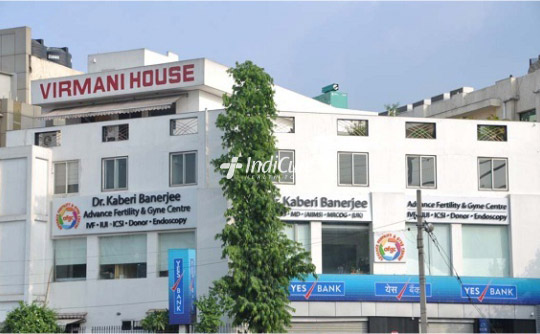
Advance Fertility & Gynecology Centre, New Delhi
Location: New Delhi
Speciality: IVF & Infertility
Loading...
Loading...
Advance Fertility and Gynecology Centre is India’s Best IVF Centre, offering the best IVF services as well as an exceptional Assisted Reproduction Center in Delhi NCR. The team of Fertility Experts with professional qualifications and experience, led by internationally acknowledged Infertility Expert Dr. Kaberi Banerjee, guarantees success at a fraction of the cost of equivalent procedures overseas. Even in challenging instances or those with previous failures, Advance Fertility Centre offers a state-of-the-art embryology laboratory with all of the latest equipment essential for the greatest results. In Vitro Fertilization, Intracytoplasmic Sperm Injection, Blastocyst Culture, Assisted Hatching, Pre-implantation Screening and Diagnosis, and other significant procedures are carried out in the laboratory.
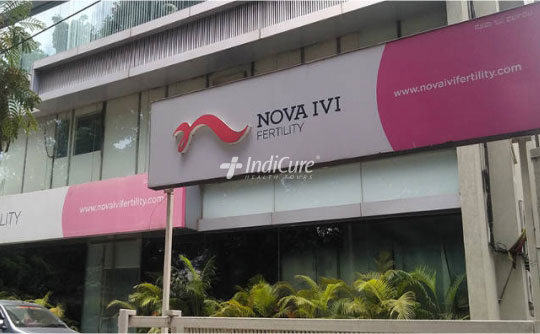
Nova IVF, Bangalore
Location: Bangalore
Speciality: IVF
Loading...
Loading...
Since its inception in 2011, the Nova IVI Fertility Centre in Sadashivanagar has assisted thousands of couples in their quest to become parents. Koramangala, Sadashivanagar, and Kammanahalli are the three locations in Bangalore where the centres are located. The clinic has the proper combination of technology and expertise to provide the finest treatment possible in compliance with international standards.
How does Nuclear Medicine Therapy Works?
Nuclear Medicine Therapy is a relatively new specialty of medicine that combines precision therapeutic strategies with molecular imaging tools. It uses molecular diagnostic tools to diagnose the condition and then uses the same technology to give a radiation dose to the affected area (abnormal tissues).
It is based on the concept of “Theranostics,” a ground-breaking field that focuses on giving each patient the correct medicine at the right time and in the right amount.
Iodine-131 therapy for an overactive thyroid gland and thyroid cancer, PRRT for neuroendocrine tumors, and PSMA therapy for prostate cancer are all examples of this method.
Radiation from radioactive material has a greater impact on cancer cells and other illness cells than on normal cells. The radiopharmaceutical chemical has the potential to destroy cancer cells or shrink tumors in the long run.
This is how it works:
A naturally occurring or man-made compound that emits radiation energy is known as radioactive material. The radioactive substance or radiopharmaceutical molecule can be utilized to kill cancer cells or slow the progression of the disease. The material can be solid, liquid, or gas, and it can be given to target cells in a variety of ways depending on the part of the body.
For example, radon is a gas that can be inhaled for therapy, but radioiodine comes in the shape of a capsule or liquid that must be eaten. Every radioisotope has a half-life that defines when it will no longer be radioactive.
Advantages of Nuclear Medicine:
- Nuclear medicine methods provide details on both the function and anatomic structure of the body that are sometimes unavailable with other imaging procedures.
- Nuclear Medicine has the ability to diagnose disease at an early stage, frequently before symptoms or anomalies are recognised by traditional diagnostic tests.
- PET scans may obviate the need for surgical biopsy or determine the optimum biopsy location by determining whether lesions are likely benign or malignant.
- PET CT guided biopsies aid in more accurate cancer diagnosis.
How is Nuclear Medicine Therapy given?
The patient is positioned on an examination table, and the dose of radiotracer is given intravenously, ingested, or inhaled as a gas, depending on the type of Nuclear Medicine Exam. The radiotracer can take anywhere from a few seconds to many days to move through the body and collect in the organ or location being investigated. As a result, imaging can be done right away, a few hours later, or even several days after the radioactive material has been received.
When it’s time for imaging, the camera or scanner will capture a series of photos by rotating around the patient’s body or staying in one position with the patient changing postures in between.
The patient is urged to remain immobile for short periods of time while the camera takes photographs. To capture the greatest quality photographs, the camera may come very close to the body in some circumstances. If a patient is claustrophobic, the technician should be informed before the examination begins.
Nuclear Medicine Procedures take a different amount of time depending on the type of exam. The scanning process can take anywhere from 20 minutes to several hours, and in rare situations, it may take many days.
Nuclear Medicine Therapy in India
Nuclear Medicine in India has evolved dramatically in the last few years and is now at par with the best in the world. We have on our panel Nuclear Oncology Experts who are a committed group of Nuclear Medicine Physicians, Dosimetrists, Radiation Oncologists, and Technicians with vast experience in Nuclear Medicine Diagnostics and Therapies.
The regimens and protocols are up to worldwide standards, thanks to internationally qualified professionals and world-class facilities. All cases presented to the team are first discussed in a multidisciplinary board composed of Medical, Radiation, and Surgical Oncologists, Pathologists, Physiologists, and Radiologists.
Nuclear Medicine in India- Facilities & Technology
These Nuclear Medicine centers have the most modern Time of Flight PET CT, which has the best tiny lesion detection and accuracy in the industry. The machine’s Time of Flight technology enables it to detect lesions as small as 2mm. The machine also has an award-winning open design that makes the scan painless for claustrophobic patients. The newest reconstruction techniques allow scans to be done nearly twice as quickly as the other devices while exposing patients to far less radiation.
These centers also offers the more complex Ga68 DOTANOC PET CT scans for imaging Neuroendocrine Tumors and APUDOMAs, Ga68 PSMA Scan for detecting Prostate Cancer, and Ga 68 Exendin Scan for Insulinomas and Nesedioblastomas, in addition to the traditional F18 FDG PET CT scans. They also have the facility to do PET CT Guided Biopsies and Interventional Procedures, Radiation therapy planning based on PET CT scans, including 4D PET CT scans.
Gamma Camera – These centers also have the most advanced Twin Head Gamma Camera, which is one of the most versatile dual head gamma cameras in the world. The system is capable of conducting all nuclear medicine operations with improved patient convenience and comfort, as it allows for a variety of detector movements and protocols.
All normal Nuclear Medicine procedures are performed in this section, including Bone Scans, Renal Scans, Stress Myocardial Perfusion Scans, Parathyroid Scans, Brain SPECTS, Ventilation Perfusion Scans, Venographies, and Lymphangiography, among others. Besides, in-vitro tests such as plasma GFR evaluation, labeled leukocyte scanning, and Trodat Imaging, which is not available in many centers in Asia.
Radioiodine Probe: Our panel of Nuclear Medicine centers also offer radioiodine Uptake Probe that is utilized for Iodine Studies.
Nuclear Medicine Therapy Unit: A variety of radioisotope therapies are performed, such as Iodine therapy for thyroid cancer, Lutetium PSMA therapy, and Lutetium based therapies for Neuroendocrine Tumors. Besides, myeloablative MIBG therapy for children with high-risk neuroblastomas, Targeted alpha therapy for neuroendocrine tumors, prostate cancer, and some brain tumors are also available.
Questions to Ask
We at IndiCure completely understand your concerns and it is always our endeavor to provide the best outcome for every patient. Following is the list of questions you must ask before you embark on your journey for Nuclear Medicine Therapy in India.
- How experienced is the doctor?
- Which language does the surgeon speak?
- Is the treatment done in a well-equipped facility?
- What about the risks involved?
Preparation for the Procedure
Prepare to answer questions about your:
- Medical history and exams
- Previous surgeries
- Current medication review
- History of smoking, drugs, or alcohol