

Immunotherapy Cost in India
Last updated: April 19, 2026
Immunotherapy Cost in India starts from US $2,100 per session and can go upto around US $6000. The cost of immunotherapy in India varies depending on your medical history and health condition, drugs used in immunotherapy, area and stage of the cancer you are suffering from, your treating doctor’s seniority and experience, hospital and the city where you choose to get the treatment done.
With end to end services for your hassle-free Cancer Treatment in India, MediTraWell has made the entire process of seeking medical tourism in India easy and hassle free for you besides making it affordable.
Factors that affect Blood Cancer Treatment Cost in India:
- Oncologist’s Fees
An important expense when it comes to your blood cancer treatment is going to be your oncologist’s fees. MediTraWell recommends highly experienced, skilled, board-certified doctors who are capable of delivering successful treatments. Although the charges may vary depending on the experience of the doctors, you can be assured that you are in safe and skilled hands when you choose cancer treatment in India with MediTraWell.
- Number of Chemotherapy and Radiation Cycles
The overall blood cancer treatment cost depends on the number of chemotherapy, radiation, or biological therapy cycles that a patient has to undergo. The number of cycles of chemotherapy, radiation, or biological therapy to kill the cancerous cells varies depending on the stage and medical condition of the patient.
- Need for Bone Marrow Transplant
There are different types of therapies, the choice of which depends on the stage or grade of the cancer and the overall health of the patient. But, if all the therapies fail to treat the blood cancer, the doctor may recommend bone marrow transplant or stem cell transplant. This affects the overall cost of blood cancer treatment.
- Surgical Facility
Having your treatment or bone marrow transplant for blood cancer in an accredited surgical facility by skilled and qualified medical staff is a critical factor. Moreover, the geographical location of this facility also affects the quote. But, MediTraWell provides you with a projected estimate that will be affordable.
- Additional Expenses
The additional expenses include the pre- and post-surgical expenses. The pre-treatment expenses are associated with the stage of the cancer and medical condition of the patient and thus the number and type of investigations required. Post-treatment expenses may include prescription medications and follow-up consultations.
We at MediTraWell, understand that you travel with a budget in mind and do not like to be greeted by surprises after arrival in India. We thus club all these expenses and give you a package cost that is inclusive and affordable at the same time.
Your case manager shall give you an estimated cost of your surgery after discussing your medical reports with the surgeon. The final cost, however, shall be confirmed after your consultation with the surgeon.
Medi Trawell Services
Making Medical Travel to India Affordable & Hassle-free for 15+ Years

We Help you Choose the Right Treatment, Surgeon & Hospital

We Arrange Video/Telephonic Consultation with the Surgeon

We Assist you with Visa & Accommodation

We Receive you at the Airport and Drop you at Hotel/Hospital

We Assist you the at Hospital & Provide Post Operative Support
Our services are FREE for our patients.
In fact, we have Special Negotiated Rates with the Hospitals and you can avail Discounted Rates when you choose to Travel with MediTrawell. Container
Cancer Treatments We Offer
Here is a compilation of the cancer treatment options we provide in India.
- Leukemia
- Multiple Myeloma
- Aplastic Anemia
- Osteosarcoma
- Squamous Cell Carcinoma
- Pancreatic Cancer
- Eye Cancer
- Bladder Cancer
- Cervical Cancer
- Penile Cancer
- Endometrial Cancer
- Skin Cancer
- Bone Cancer
- Esophagus Cancer
- Kidney Cancer
- Testicular Cancer
- Breast Cancer
- Lung Cancer
- Ovarian Cancer
- Gallbladder Cancer
- Thyroid Cancer
- Colon Cancer
- Prostate Cancer
- Blood Cancer
Best Oncologists in India

Dr. Prof Suresh H Advani
Medical Oncologist
MBBS, MD, FICP, MNAMS, FNAMS, Fellowships
Mumbai
Prof. Dr. Suresh Advani, is one of the most renowned and acclaimed medical oncologists in India. Dr. Advani has 43 years of expertise as a physician, pediatric-oncologist, and hemato-oncologist.
He is credited with being the first to perform hematopoietic stem cell transplantation in India. The wheelchair-bound doctor was diagnosed with poliomyelitis when he was eight years old and went on to study at Grant Medical College in Mumbai (where he earned his MBBS and MD Medicine degrees), after which he served as a medical oncologist at Tata Memorial Centre for several years.
He is credited with being the first to perform hematopoietic stem cell transplantation in India.
He went on to receive a Fellowship in the field of bone marrow transplantation from the Fred Hutchinson Cancer Research Center in Seattle, Washington where he worked with Dr. E Donnall Thomas, renowned as the “Father of BMT” and winner of the Nobel Prize in Medicine in 1990. He also received the Fellowship of Yamagiwa-Yoshida Memorial International Cancer Study Grant of the International Union Against Cancer in 1986.
Dr. Advani is credited with becoming the first oncologist in India to perform a successful bone marrow transplant, and establishing the first bone marrow transplantation setup in India. He also took part in clinical trials for lymphoblastic leukemia patients. The trials, which involved 1,200 patients, managed to increase therapy success rates from 20% to 70%.
Dr. Advani is credited with becoming the first oncologist in India to perform a successful bone marrow transplant, and establishing the first bone marrow transplantation setup in India.

Dr. Meenu Walia
Medical Oncologist
MBBS, MD, DNB
Delhi
About Doctor: Dr. Meenu Walia has an experience of more than 27 years in the field of Medical Oncology and Hematology. She is the keen Clinical researcher and principal investigator for several randomized multi-centric international clinical research trials.
She is highly skilled in treating Abdominal Solid Organ Cancers, Gastro-Intestinal Cancers, and Leukemia/Lymphoma. She is a Member of the American Society of Clinical Oncologists and the European Society for Medical Oncology, among other important organizations (ESMO). Clinical research is a specific focus of hers. She has served as the Principal Investigator for a number of randomized multicenter international clinical trials.
She is a Member of the American Society of Clinical Oncologists and the European Society for Medical Oncology, among other important organizations (ESMO). Clinical research is a specific focus of hers. She has served as the Principal Investigator for a number of randomized multicenter international clinical trials.
Dr. Walia is the first DNB Medical Oncologist in the country and has been honored with various awards during her tenure. India Today Group has honored her with the certificate for excellence in recognition of the exemplary work and dedication in the field of healthcare. She was also awarded the “Bharat Jyoti Award” and certificate for excellence by Dr. Bhishma Narain Singh- The former Governor of Tamil Nadu and Assam for her meritorious services, outstanding performance, and remarkable role in healthcare.
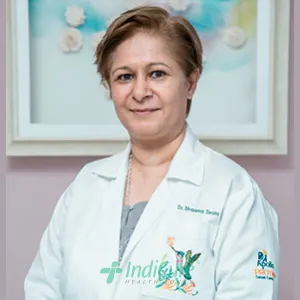
Dr. Bhawna Sirohi
Medical Oncologist
MBBS, DCH, FRCP,
Chennai
Dr. Bhawna Sirohi is a renowned Medical Oncologist in India with more than 25 years of experience in the field of Oncology. She is a well-known senior consultant who specializes in treating Breast cancers and Gastrointestinal cancers all over the world.
Dr. Bhawna has collaborated with some of the world’s best oncology centers and oncologists. She is presently working with Apollo Proton Cancer Center as the Lead – Medical Oncologist. Dr. Sirohi is also an honorary consultant at London’s Queen Mary’s University and has over 100 publications published in national and international journals.
She is the President of Royal Society of Medicine’s and the Chairman of the ICMR Task Force for Cancer Guidelines on Colorectal Cancer, NET, HCC, Pancreatic cancer, and Esophageal cancer, and an advisor to the NCI-AIIMS committee.
Best Cancer Hospitals in India
These are our top cancer hospitals in India, ensuring you receive the healthcare you deserve.
Medicover Cancer Institute, Hyderabad
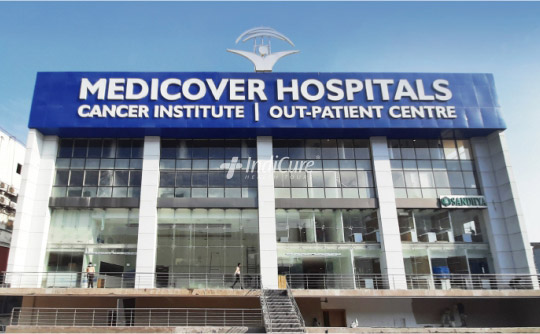
Location: Hyderabad
Speciality: Multi-Superspeciality
Loading...
Loading...
The Medicover Cancer Institute in Hyderabad is the country’s leading single-specialty oncology and cancer care facility. The facility is equipped to handle all aspects of cancer treatment, including prevention, treatment, and rehabilitation. Patients are treated with targeted therapy, chemotherapy, hormonal therapy, and immunotherapy at the hospital. The surgical oncology, radiation oncology, medical oncology, and nuclear medicine teams of Medicover Cancer Institute in Hyderabad are among the best in the country. They cooperate with professionals from various departments to give a multidisciplinary treatment plan that is well-planned.
Apollo Hospital, DRDO, Hyderabad
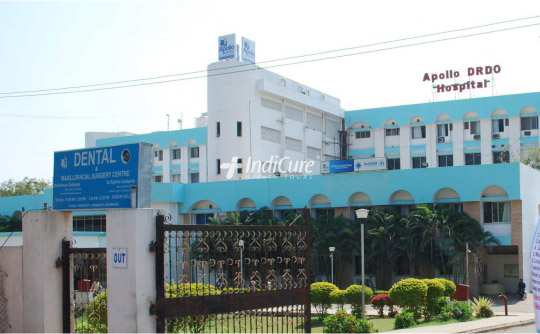
Location: Hyderabad
Speciality: Multi-Superspeciality
Loading...
No. of Beds: Beds : 150
Apollo Hospital DRDO, Kanchan Bagh is a multi-specialty hospital in Hyderabad that uses technological innovation, research, and quality expertise to deliver integrated world-class healthcare to everyone. Heart, Cancer Care, Critical Care, Gastroenterology, Orthopedics, Neurosciences, and Emergency are among the hospital’s seven centres of excellence. In addition, it has Departments like Dental, Obstetrics & Gynecology, Pediatrics, Nephrology & Urology, and Plastic and Cosmetic Surgery. The Orthopedic Department is one of the best in Hyderabad, with a state-of-the-art operating room dedicated solely to orthopedic procedures. This is bolstered by a fully equipped Physiotherapy Unit, which provides crucial rehabilitation assistance.
Immunotherapy
Immunotherapy is a cancer treatment that relies on the patient’s own immune system to combat the disease. Immunotherapy can help the immune system discover and fight cancer cells by boosting or changing how it works.
Immunotherapy works in the following ways:
- Stimulating or enhancing your immune system’s natural defenses so that it works harder or smarter to detect and fight cancer cells.
- Making compounds that are similar to immune system components in the lab and using them to aid in the restoration or improvement of your immune system’s ability to detect and kill cancer cells.
Immunotherapy has been a significant aspect of the treatment of several cancers in recent decades. New immunotherapy treatments are being studied and authorized at a rapid rate, as are new techniques of dealing with the immune system.
Some forms of cancer respond better to immunotherapy than others. For some malignancies, it’s used alone, but for others, it appears to function better when combined with other treatments.
Types of Cancer Immunotherapy
There are a few different types of immunotherapy that can be used to treat cancer. Few of them are listed below:
- Checkpoint inhibitors: These medications work by removing the immune system’s ‘brakes,’ allowing it to recognise and fight cancer cells.
- Chimeric Antigen Receptor (CAR) T-cell Therapy: It involves extracting T-cells from a patient’s blood, mixing them with a virus that teaches the T-cells how to connect to tumor cells, and then returning the cells to the patient so they can discover, attach to, and kill the cancer.
- Cytokines: This treatment stimulates immune cells to attack cancer by using cytokines (small proteins that transmit messages between cells).
- Immunomodulators: They are a class of medications that enhance various components of the immune system in order to cure cancer.
- Vaccines for cancer: Vaccines are substances that are injected into the body to trigger an immune response to particular diseases. We normally conceive of them as something that is given to healthy people to help them avoid getting sick. However, some vaccines can aid in the prevention or treatment of cancer.
- Monoclonal Antibodies: Man-made copies of immune system proteins are known as monoclonal antibodies (mAbs or MoAbs). Because they may be engineered to assault a highly particular region of a cancer cell, mAbs can be very beneficial in cancer treatment.
- Oncolytic Viruses: are viruses that have been genetically engineered in the lab to infect and kill tumor cells.
Many factors will influence the type of medicine, dose, and treatment schedule. These factors can include the cancer’s type, size, location, and extent of dissemination. Your age, overall health, body weight, and ability to deal with side effects are all factors to consider. Ask your doctor why he or she recommends a particular immunotherapy regimen.
When is Immunotherapy needed?
Immunotherapy is a type of biologic therapy. Immunotherapy is approved to treat certain kinds of cancer, including melanoma, lymphoma, and lung cancer.
Questions to Ask
We at MediTraWell completely understand your concerns and it is always our endeavor to provide the best outcome for every patient. Following is the list of questions you must ask before you embark on your journey for immunotherapy in India.
- How experienced is the doctor?
- Which language does the surgeon speak?
- Is the treatment done in a well-equipped facility?
- What about the risks involved?
Preparation for the Surgery
Prepare to answer questions about your:
- Medical history and exams
- Previous surgeries
- Current medication review
- History of smoking, drugs, or alcohol
How is Immunotherapy given?
Different forms of immunotherapy may be given in different ways. These include:
- Intravenous (IV): The immunotherapy goes directly into a vein. It is the most commonly used technique.
- Oral: The immunotherapy comes in pills or capsules that you swallow.
- Topical: The immunotherapy comes in a cream that you rub onto your skin. This type of immunotherapy can be used for very early skin cancer.
- Intravesical: The immunotherapy goes directly into the bladder.
What Results can I Expect from Immunotherapy?
Immunotherapy medications are more effective in some cancers than others, and while they might be a lifesaver for some patients, they do not work for everyone.
Immunotherapy, unlike chemotherapy, does not always result in tumor shrinkage. Even when patients are in good spirits, tumors can bulge or grow in size when immune cells battle the cancer. Pseudoprogression is the term for this phenomenon. The word refers to a tumor that looks to be worsening yet is nevertheless providing benefit to patients.
To track your treatment response, you’ll need to see your doctor frequently. Physical exams, blood tests, and imaging scans may be required on a regular basis.