

Limb Lengthening Cost in India
Last updated: April 25, 2026
Starting from USD 14,000
INCLUDES
- FDA Approved Implant
- Surgery and Stay at the Hospital
- Pre-operative Investigations
- Medicines, Consumables & Food at the hospital
- Airport Transfers & MediTraWell assistance
DOES NOT INCLUDE
- Accommodation outside the Hospital
- Air tickets
- Medical Visa fee
STAY REQUIRED
- Stay at the Hospital - 1 to 2 days
- Stay at the Hotel - 7 to 8 days
- Stay in India - 8 to 10 days
With end to end services for your hassle-free Cancer Treatment in India, MediTraWell has made the entire process of seeking medical tourism in India easy and hassle free for you besides making it affordable.
Factors that affect Limb Lengthening Cost in India:
- Orthopedic Surgeon’s Fees
An important expense when it comes to your limb lengthening cost in India is going to be your orthopedic surgeon’s fees. IndiCure recommends highly experienced, skilled, board-certified surgeons who are capable of delivering successful surgeries. Although the charges may vary depending on the experience of the surgeon, you are assured to be in safe hands with IndiCure.
- Type of Surgical Approach
A significant portion of the overall cost of limb lengthening surgery arises from the type of surgical approach to perform the surgery- whether an external or internal fixator is being used. The other factor is the use of any customized surgical instruments or specialized technology. With the hopes of improving patient care, new techniques and technologies are often introduced to the surgical process. Such innovative advancements in the surgical approach can increase costs.
- Surgical Facility
Having your limb lengthening surgery in an accredited surgical facility by skilled and qualified medical staff is a critical factor. Moreover, the geographical location of this facility also affects the quote. But, IndiCure provides you with a projected estimate that will be all inclusive and affordable.
- Surgery-Related Expenses
The surgery-related expenses include the pre- and post-surgical expenses. The pre-surgical expenses are associated with the candidacy and the medical history of the patient. This also includes the routine medical exams and tests to ensure you’re a good fit for the surgery. Post-surgical expenses can include prescription medications, physical therapy, rehabilitation stay, and follow-up consultations.
We at MediTraWell, understand that you travel with a budget in mind and do not like to be greeted by surprises after arrival in India. We thus club all these expenses and give you a package cost that is inclusive and affordable at the same time.
Your case manager shall give you an estimated cost of your surgery after discussing your medical reports with the surgeon. The final cost, however, shall be confirmed after your consultation with the surgeon.
Medi Trawell Services
Making Medical Travel to India Affordable & Hassle-free for 15+ Years

We Help you Choose the Right Treatment, Surgeon & Hospital

We Arrange Video/Telephonic Consultation with the Surgeon

We Assist you with Visa & Accommodation

We Receive you at the Airport and Drop you at Hotel/Hospital

We Assist you the at Hospital & Provide Post Operative Support
Our services are FREE for our patients.
In fact, we have Special Negotiated Rates with the Hospitals and you can avail Discounted Rates when you choose to Travel with MediTrawell. Container
Orthopedic Surgery Procedures Offered
- Acetabular osteotomy
- ACL Reconstruction Surgery
- Ankle arthroscopy
- Ankle reconstruction
- Ankle Replacement Surgery
- Arthroscopy
- Autologous chondrocyte implantation (ACI)
- Bankart repair
- Bone grafting
- Bone metastasis surgery
- Bone reconstruction
- Bunion surgery
- Bone Fracture Repair
- Carpal tunnel decompression
- Cartilage repair
- Cartilage restoration
- Congenital hand deformity correction
- Distal radioulnar joint replacement
- Elbow arthroscopy
- Elbow replacement surgery
- External fixation
- Femoral osteotomy
- Fibula free flap
- Finger fusion
- Finger joint replacement
- Finger reattachment
- Foot reconstruction
- Free muscle transfer
- Fresh osteochondral allograft reconstruction
- Growing rods
- Guided growth in children
- Hand reconstruction
- Hand surgery
- Hand transplant
- Hemipelvectomy
- Hip arthroscopy
- Hip core decompression
- Hip labral repair
- Hip preservation surgery
- Hip replacement
- Joint replacement
- Joint replacement revisions
- Knee fusion
- Knee osteotomy
- Knee reconstruction
- Knee replacement
- Ligament reconstruction of fingers
- Ligament reconstruction of forearm
- Ligament reconstruction of shoulder
- Ligament reconstruction of wrist
- Limb deformity correction
- Limb lengthening
- Limb salvage surgery
- Medial patellofemoral ligament reconstruction
- Meniscus repair
- Meniscus transplantation
- Microvascular surgery
- Multiligament knee reconstruction
- Muscle transfers
- Nerve grafts
- Nerve reconstruction
- Nerve transfer
- Nonunion surgery
- Offset procedures
- Osteotomy
- Partial knee replacement
- Pelvic tumor surgery
- Periacetabular osteotomy (PAO)
- Physeal bar resection
- Posterior cruciate ligament (PCL) reconstruction
- Reverse shoulder replacement
- Revision of previous trauma surgery
- Robot-assisted partial knee resurfacing
- Rotationplasty
- Rotator cuff surgery
- Sacroiliac joint fusions
- Shoulder arthroscopy
- Shoulder replacement surgery
- Spatial frame corrections
- Tendon transfer
- Toe-to-thumb transfer
- Tommy John surgery
- Trigger Finger Release Surgery
- Unicompartmental knee replacement
- Vascularized bone grafting
- Vascularized free fibula transfer
- Wrist arthroscopy
- Wrist fusion
- Wrist reconstruction
- Wrist replacement
Best cardiologist in India
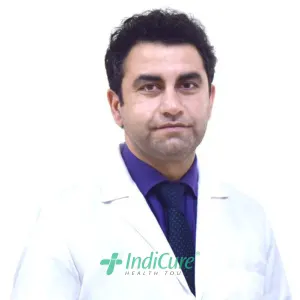
Dr. Bhushan Nariani
Orthopedic & Knee Replacement Surgeon
MBBS, MS (Ortho), DePuy Fellow in Arthroplasty, Fellowship in Joint Arthroplasty (Liverpool, UK)
New Delhi
Dr. Bhushan Nariani is one of the top Hip & Knee Replacement Surgeon in India. He is an International Fellowship trained Surgeon who does over 900 joint replacement surgeries every year and is known for his excellent outcome records.
He has successfully trained many DNB surgeons. Some of his specialties are knee replacement, revision knee replacement, hip replacement, and revision hip replacement.
He is a member of the Indian Orthopaedics Association, Indian Arthroplasty Association, Delhi Orthopaedic Association, Indian Medical Association, North Zone Indian Orthopaedic Association, and Indian Arthroscopy Association.
https://www.MediTraWell.com/knee-replacement-surgery-cost-india/
knee replacement
https://www.MediTraWell.com/hip-replacement-cost-india/
hip replacement
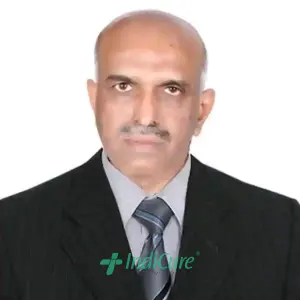
Dr. C. Rajasekhara Reddy
Joint Replacement & Orthopedic Surgeon
MBBS, MS (Ortho), DNB (Ortho), MCh (Ortho), Fellowship in Hip and Knee Arthroplasty (Germany), Knee Fellowship (New York, USA)
Chennai
Dr. C. Rajasekhara Reddy is a renowned Orthopedic Surgeon, based in Chennai, with over 39 years of experience. Orthopedic Surgery, Arthroscopy, Hip Replacement Surgery, Knee Surgery, Spine Surgery, Joint Replacement, Sports Medicine, Arthritis, Hip Surgery, etc are among his specialties and areas of clinical interest.
He has worked in some of the best hospitals in the world, including William Harvey Hospital in the United Kingdom, Country Hospital in Texas, the Institute of Child Health in Egmore, Chennai, Kasturba Medical College in Manipal, Karnataka, and the Rotary Institute C G Hospital in Karnataka, India.
William Harvey Hospital in the United Kingdom, Country Hospital in Texas, the Institute of Child Health in Egmore, Chennai, Kasturba Medical College in Manipal, Karnataka, and the Rotary Institute C G Hospital in Karnataka, India.
He is a member of the American Orthopaedic Association (AOA) and the Indian Medical Association (IMA). Dr. Reddy has a long list of national and international publications to his name, and he is frequently called to speak about arthroscopy and sports medicine at scientific meetings and CDE’s.

Dr. Vibhore Singhal
Joint Replacement & Orthopedic Surgeon
MBBS, MS (Ortho) FARS (Ortho) Singapore, FSAA (UK)
Dwarka
Currently employed as an Orthopedic Consultant at Venkateshwara hospital in Dwarka, Delhi, Dr. Vibhore Singhal is extensively trained in shoulder arthroscopy and shoulder replacement surgery at Aberdeen Royal Infirmary, NHS, United Kingdom.
Dr Singhal also pursued an advanced hands-on fellowship in joint replacement at the prestigious Singapore General Hospital, where he received comprehensive training in all aspects of adult joint reconstruction, with a particular focus on knee replacement surgeries.
Dr. Vibhore Singhal is extensively trained in shoulder arthroscopy and shoulder replacement surgery at Aberdeen Royal Infirmary, NHS, United Kingdom
Partial knee replacements, such as the Unicondylar, Bicompartmental, and revision knee procedures, as well as robotics and shoulder replacements, are of particular interest to him, making him one of the most versatile and best orthopaedic surgeons in India.
Best Cancer Hospitals in India
These are our top cancer hospitals in India, ensuring you receive the healthcare you deserve.
Apollo Spectra Hospital, Hyderabad
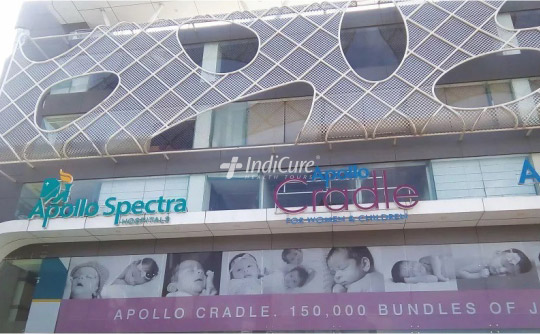
Location: Hyderabad
Speciality: Multi-Superspeciality
Loading...
Loading...
Apollo Spectra Hospital is a multi-specialty hospital in Hyderabad that offers world-class medical care. The hospital, which has a capacity of 21 beds, provides expert care in a variety of specialties, including urology, orthopedics and spine surgery, ENT, bariatric surgery, and ENT. Ophthalmology, gastroenterology, general medicine, and plastic and cosmetic surgery are among the medical disciplines offered at the facility. Beds : 21
Metro Hospital, Faridabad, New Delhi
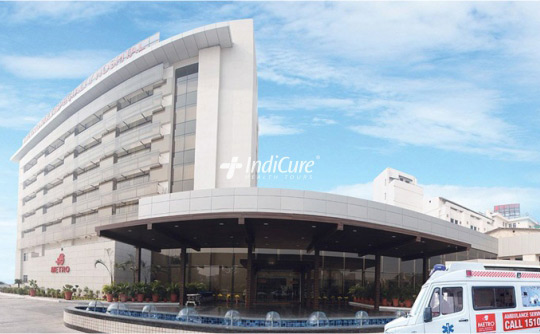
Location: New Delhi (NCR)
Speciality: Multi-Superspeciality
Accreditation: Accreditation : Joint Commission International (JCI, USA), National Accreditation Board for Hospitals & Healthcare Providers (NABH), National Accreditation Board for Testing and Calibration Laboratories (NABL)
No. of Beds: Beds : 400
Since 2002, Metro Hospital in Faridabad has served as Haryana’s first dedicated heart hospital, ‘offering international grade health treatment at an accessible cost to the populace.’ The multispecialty hospital is designed to provide the highest levels of professional expertise and world-class care in all major disciplines of cardiology, neurology, orthopedics, oncology, and all support specialties such as bariatric and minimally invasive surgery, internal medicine, general surgery, urology, nephrology, gastroenterology, rehabilitative services, and pulmonology, among others. The hospital is spread across 8 acres of land in the heart of the city, has 400 beds and will be expanded in the near future. The Metro Hospital is one of the region’s largest tertiary centres, routinely ranking among the top multispecialty hospitals in Delhi-NCR.
Limb Lengthening
Limb lengthening is a treatment that entails extending the bones in the arms and legs. This is done in stages so that the bones and soft tissues (skin, muscles, nerves, and so on) gradually lengthen.
The procedure usually takes many months. Limb lengthening can be paired with deformity repair, either progressive or acute. The humerus (upper arm bone), radius/ulna (forearm bone), femur (thigh bone), tibia (shin bone), and metatarsals (foot bones) are all routinely lengthened.
How Limb Lengthening Works
The doctor will cut the bone into two separate parts during surgery. An osteotomy is a surgical technique that involves cutting a bone.
To prepare the muscles and nerves for lengthening, further soft-tissue treatments may be performed at the same time. The Achilles tendon, for example, could be surgically lengthened to make tibial (shin bone) lengthening easier. An orthopedic lengthening device will also be applied to the bone by the doctor.
Internal devices, such as the Precice nail, are orthopedic lengthening devices that are placed into the bone. External fixators, such as the Taylor Spatial Frame or the Ilizarov device, are orthotic lengthening devices that remain outside of the body.
External Fixator- A metal frame called an external fixator rests outside the leg and is fastened to the bone using wires, screws, and pins. To extend the distance between the two sections of the leg bone that were sliced, the external fixator can be adjusted from the outside.
Internal Lengthening Nail– A motorized metal nail or rod called an internal lengthening nail is introduced into the leg bone’s bone marrow cavity. A magnet inside the nail is rotated under control by a remote control device.
The bones are allowed to rest for five to seven days after surgery to allow the healing process to commence. Latency period is the name given to this period of time. Following the latency period, the patient will adjust the orthopedic device so that the two bone segments are slowly pulled apart. The gradual separation of the two bone segments is known as distraction, which literally means “drawing apart.” New bone grows in the area between the two bone segments as they are gently forced apart. This new bone extends the bone’s overall length. Regenerate bone is the name given to the new bone.
The patient (or a family member) adjusts the orthopedic device every day during the distraction phase such that the bone segments are moved apart at a slow rate of about 1 mm (0.04 inches) every day. This rate may vary slightly depending on the bone. The treatment plan can be to distract 0.75 mm every day in the tibia but 1.0 mm per day in the femur or humerus, for example. The body is forced to constantly produce new bone and soft tissues such as skin, muscles, nerves, and blood vessels as a result of this gradual distraction. The distraction phase lasts until the required length of the bone has been achieved.
Each month, you can gain about 1 inch (2.5 cm) in length. During the distraction phase, the patient will need to see the doctor many times a month to ensure that the bone is not lengthening too quickly or too slowly. The rate of distraction may be accelerated or slowed depending on the look of the regenerate bone on an X-ray. The patient will need to go to physical therapy two to five times per week during the distraction process.
The metal lengthening device will remain in place after the desired length is reached for several months so that the bone can finish healing and solidifying. In a subsequent outpatient surgery, the lengthening device will be removed.
Once the new bone has fully developed, it has the same strength as other bones and is not more susceptible to deterioration or fracture.
Am I a good Candidate for Limb Lengthening Surgery?
Many people who are candidates for leg lengthening surgery have two legs or arms that are different lengths due to:
- A congenital defect
- Growth plate damage to a leg bone when you were a toddler
- A preexisting fracture that has not healed at all
Leg lengthening surgery may be appropriate for patients with skeletal dysplasias or other bone diseases. Other disorders that can result in a substantial leg length disparity that necessitates leg lengthening surgery are:
- Poliomyelitis
- Cerebral palsy
- Legg-Calve-Perthes disease
Many patients also choose this operation to increase their height by a few inches.
If you are suffering from any of the above deformities or are looking to increase your height, are otherwise in good health, you may be a candidate for limb lengthening surgery.
Questions to Ask
We at IndiCure completely understand your concerns and it is always our endeavor to provide the best outcome for every patient. Following is the list of questions you must ask before you embark on your journey for limb lengthening in India.
- Is it time for a limb lengthening?
- Is the orthopedic surgeon board certified?
- How experienced is the Surgeon?
- Which language does the surgeon speak?
- Is the surgery done in a well-equipped facility?
- Can you give me any information on outcomes and complication rates?
- How much pain can I expect, and how will it be managed in the hospital and after I go home?
- Is physical therapy necessary after surgery?
- What about the risks involved?
- Does the surgeon use a certified anesthetist?
- How long will the recovery period be?
Preparation for the Surgery
Prepare to answer questions about your:
- Medical history and exams
- Urinary evaluations
- Previous surgeries
- Current medication review
- History of smoking, drugs, or alcohol
- Surgical expectations
- Social Planning
- Home Planning