

Whipple Surgery Cost in India
Last updated: April 25, 2026
Starting from USD 14,000
Whipple Surgery Cost in India starts from US $7,500 and varies depending on your medical condition and history, technique used for the surgery, surgeon, hospital and the city where you choose to get the procedure done.
INCLUDES
- Surgery
- Stay at the Hospital
- Pre-operative Investigations
- Medicines, Consumables
- Food at the hospital
- Airport Transfers
- MediTraWell assistance
DOES NOT INCLUDE
- Accommodation outside the Hospital
- Air tickets
- Medical Visa fee
STAY REQUIRED
- Stay at the Hospital - 1 to 2 days
- Stay at the Hotel - 7 to 8 days
- Stay in India - 8 to 10 days
Whether you choose one visit for your Gastroenterology tourism in India or would require to visit again, IndiCure will make sure your trip is seamless and hassle-free. Our team of dental clinics and dental surgeons offer nothing but the best in class care using the top notch technology. We vow to be with you every step of the way practicing our old age Indian custom of Atithi Devo Bhava! (the guest is God)
Factors that affect Whipple Surgery Cost in India
- Surgical Technique
There are different techniques to perform whipple surgery- open, laparoscopic and robotic. Your surgeon would advise the best technique for you depending on your medical history and health condition. The cost varies to a great extent on the technique through which the surgery is performed.
- Surgeon’s Fees
An important expense when it comes to your whipple surgery in India is going to be your surgeon’s fees. IndiCure recommends highly experienced, skilled, board-certified surgeons who are capable of delivering successful surgeries. Although the charges may vary depending on the experience of the surgeon, you can be assured that you are in safe and skilled hands when you choose cancer treatment in India with IndiCure.
- Surgical Facility
Having your whipple surgery done in an accredited surgical facility by skilled and qualified medical staff is a critical factor. Moreover, the geographical location of this facility in India also affects the quote. But, IndiCure provides you with a projected estimate that will be all inclusive and affordable.
- Pre and Post Treatment Expenses
The pre-surgical/treatment expenses are associated with the stage of the cancer and medical condition of the patient and thus the number and type of investigations and treatment required. Post-treatment expenses may include prescription medications and follow-up consultations.
We at MediTraWell, understand that you travel with a budget in mind and do not like to be greeted by surprises after arrival in India. We thus club all these expenses and give you a package cost that is inclusive and affordable at the same time.
Your case manager shall give you an estimated cost of your surgery after discussing your medical reports with the surgeon. The final cost, however, shall be confirmed after your consultation with the surgeon.
Medi Trawell Services
Making Medical Travel to India Affordable & Hassle-free for 15+ Years

We Help you Choose the Right Treatment, Surgeon & Hospital

We Arrange Video/Telephonic Consultation with the Surgeon

We Assist you with Visa & Accommodation

We Receive you at the Airport and Drop you at Hotel/Hospital

We Assist you the at Hospital & Provide Post Operative Support
Our services are FREE for our patients.
In fact, we have Special Negotiated Rates with the Hospitals and you can avail Discounted Rates when you choose to Travel with MediTrawell. Container
Best Gastroenterologists in India
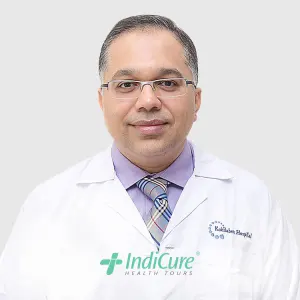
Dr. Gaurav Mehta
Medical Gastroenterologist
MBBS, MD, Multiple Fellowships, USA
Mumbai
One of the most renowned hepatologists and gastroenterologist in India, Dr. Gaurav Mehta practises at Kokilaben Dhirubhai Ambani Hospital in Mumbai. He has been working in the field of gastroenterology for 15 years.
His areas of expertise in medicine include the treatment of cirrhosis and end-stage liver disease, liver transplantation, management of gastrointestinal bleeding, and luminal therapeutic endoscopy.
He received his medical education and has worked in the US for several years, both as a clinician and as associate professor teaching the subject. He has also held positions at other esteemed organizations, including the Harvard Medical School, Drexel University School of Medicine, and Albert Einstein Medical Center.
He has received numerous accolades and recognitions and many contributed to many national and international publications.
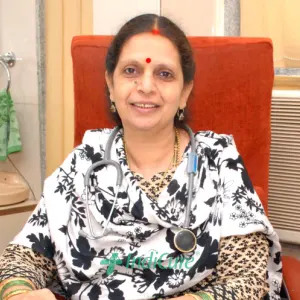
Dr. Aruna Bhave
Medical Gastroenterologist
MBBS, DNB, Observerships, USA
Mumbai
A renowned gastroenterologist in India with more than 32 years of expertise, Dr. Aruna Bhave completed her MBBS at the prestigious GSMC University in Mumbai, and then obtained her DNB in gastroenterology from the National Board of Examinations in New Delhi. Later, she enhanced her abilities through programmes for observerships abroad at locations like Miami, Pittsburgh, and Philadelphia in the United States.
Later, she enhanced her abilities through programmes for observerships abroad at locations like Miami, Pittsburgh, and Philadelphia in the United States.
Her areas of specialization include gastroscopy, gastrointestinal endoscopic mucosal resection, non-surgical treatment for piles, liver disease treatment, treatment for irritable bowel syndrome (IBS), treatment for abdominal pain, colonoscopy, treatment for constipation, ERCP, treatment for colitis, treatment for gastroenteritis, treatment for hepatitis B and C, treatment for hemorrhoids, and pancreas transplantation.
She has numerous national and international publications to her credit. She is frequently invited to speak as a guest speaker about gastroscopies and colonoscopies at conferences throughout the world.
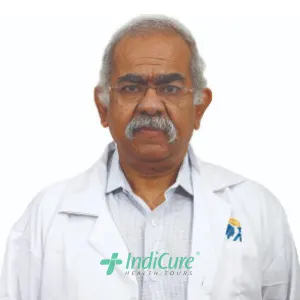
Dr. Mohan A T
Medical Gastroenterologist
MBBS, MD, DM
Chennai
Dr. Mohan A T is a skilled and renowned medical gastroenterologist in India, practicing in Chennai for more than 32 years. He has experience treating a variety of gastrointestinal issues. He has a great deal of experience diagnosing and treating acid reflux, gastritis, ulcerative colitis, and inflammatory bowel disease.
He pursued an MD in Medicine after graduating from medical school, then a DM in gastroenterology. He participates actively in Tamil Nadu Medical Council.
Best Gastroenterology Hospitals in India
Sarvodya Hospital, Faridabad

Location: Delhi (NCR)
Speciality: Multi-Superspeciality
Accreditation: Accreditation : National Accreditation Board for Hospitals & Healthcare Providers (NABH), National Accreditation Board for Testing and Calibration Laboratories (NABL)
No. of Beds: Beds : 300
Sarvodaya Hospital was founded in 1997 and is NABH and NABL accredited. It’s a full-fledged super specialty hospital. ‘The Global Healthcare Awards, 2014’ named Sarvodaya Faridabad’s Best Super Specialty Hospital. Cardiology, Cardiothoracic & Vascular Surgery, Neuro Sciences, Minimally Invasive Surgery, Gastroenterology & GI Surgery, Orthopedics & Joint Replacement, Gynecology, Pediatrics, Urology, and Nephrology are some of the areas in which the hospital specializes.
Fortis S L Raheja Hospital, Mumbai
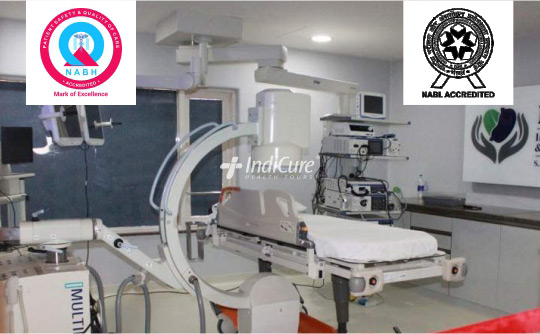
Location: Mumbai
Speciality: Multi-Superspeciality
Accreditation: Accreditation : National Accreditation Board for Hospitals & Healthcare Providers (NABH), National Accreditation Board for Testing and Calibration Laboratories (NABL)
No. of Beds: Beds : 170
S. L. Raheja Hospital, Mumbai, was founded in 1981 and is a super specialty hospital in Mahim’s suburbs. It is known for providing world-class care in a variety of specialties, including neurology, cardiology, orthopedics, spine, oncology, and minimally invasive surgery. It is one of the few institutions in Mumbai to offer specialized hyperbaric oxygen therapy for diabetic patients, and it is NABH and NABL accredited. Oncology and diabetes are two of the hospital’s specialties. The medical and surgical oncologists are represented by eight and nineteen experts respectively. There are 11 medical and 3 surgical endocrinologists on staff. The operating rooms and catheterization labs are outfitted with cutting-edge technology that meets worldwide standards making it one of the best hospitals in Mumbai. https://www.MediTraWell.com/cancer-treatment-cost-india/ Oncology https://www.meditrawell.com/best-oncologist-india/ oncologists
Whipple Surgery
Whipple procedure, also known as a pancreaticoduodenectomy, is a complex operation to remove the head of the pancreas, the first part of the small intestine (duodenum), the gallbladder and the bile duct.
The Whipple procedure is used to treat tumors and other disorders of the pancreas, intestine and bile duct. It is the most often used surgery to treat pancreatic cancer that’s confined to the head of the pancreas. After performing the Whipple procedure, your surgeon reconnects the remaining organs to allow you to digest food normally after surgery.
A Whipple procedure may be a treatment option for people whose pancreas, duodenum or bile duct is affected by cancer or other disorder. The pancreas is a vital organ that lies in the upper abdomen, behind your stomach. It works closely with the liver and ducts that carry bile. The pancreas releases (secretes) enzymes that help you digest food, especially fats and protein. The pancreas also secretes hormones that help manage your blood sugar.
The goal of doing a Whipple procedure for cancer is to remove the tumor and prevent it from growing and spreading to other organs. This is the only treatment that can lead to prolonged survival and cure for most of these tumors.
The Whipple surgical procedure can be performed in three different ways.
- Open Surgery – An open surgery is performed by the surgeon making an incision in the abdomen to access the pancreas. Open surgery is the most commonly performed and most extensively studied version of Whipple surgery.
- Laparoscopic Surgery – Laparoscopic surgery is a minimally invasive version of the Whipple procedure. A small incision is made in the abdomen and special instruments are inserted. These small instruments include a camera that will send videos to a monitor to guide the surgeon during the procedure.
- Robotic Surgery – Robotic surgery is a minimally invasive surgery during which surgical tools, attached to a robot, are inserted into small incisions in the abdomen. The surgeon uses video to observe the organs and controls the robotic arms from a console. The benefit of this form of surgery is that the small robotic arms can access areas and make small adjustments that are not possible with human hands.
While the minimally invasive surgical options come with less risk of blood loss and infection and a quicker recovery time there are also some drawbacks.
Laparoscopic and robotic surgeries both take longer to perform than an open surgery which is harder on the body. There is also the risk that there will be complications during a minimally invasive procedure that require the surgeon to switch to open surgery to finish the procedure.
When is Whipple Surgery needed?
Your doctor may recommend you have a Whipple procedure to treat:
- Pancreatic cancer
- Pancreatic cysts
- Pancreatic tumors
- Pancreatitis
- Ampullary cancer
- Bile duct cancer
- Neuroendocrine tumors
- Small bowel cancer
- Trauma to the pancreas or small intestine
- Other tumors or disorders involving the pancreas, duodenum or bile ducts
Questions to Ask
We at IndiCure completely understand your concerns and it is always our endeavor to provide the best outcome for every patient. Following is the list of questions you must ask before you embark on your journey for whipple surgery in India.
- Is it time for whipple surgery?
- Is the oncologist board certified?
- How experienced is the Surgeon?
- Which language does the surgeon speak?
- Is the treatment done in a well-equipped facility?
- What cancer treatment option is recommended for me?
- What about the risks involved?
- Does the surgeon use a certified anesthetist?
- How long will the recovery period be?
Preparation for the Surgery
Prepare to answer questions about your:
- Medical history and exams
- Previous surgeries
- Current medication review
- History of smoking, drugs, or alcohol
How is Whipple Surgery done?
Step 1: The surgeon makes an incision in your abdomen to access your internal organs. The location and size of your incision varies according to your surgeon’s approach and your particular situation.
Step 2: For a Whipple procedure, the head of the pancreas, the beginning of the small intestine (duodenum), the gallbladder and the bile duct are removed.
In certain situations, the Whipple procedure may also involve removing a portion of the stomach or the nearby lymph nodes. Other types of pancreatic operations also may be performed, depending on your situation.
Step 3: Your surgeon then reconnects the remaining parts of your pancreas, stomach and intestines to allow you to digest food normally.
What Results can I Expect from Whipple Surgery?
Your chances of long-term survival after a Whipple procedure depend on your particular situation. For most tumors and cancers of the pancreas, the Whipple procedure is the only known cure.
What is the Recovery after Whipple Surgery like?
After discharge from the hospital, most people can return directly home to continue recovery. Some people are asked to stay nearby for several days for monitoring and follow-up visits. Older adults and people with significant health concerns may require a temporary stay in a skilled rehabilitation facility. Talk to your surgeon and team if you are concerned about your home recovery.
Most people are able to return to their usual activities four to six weeks after surgery. How long it takes you to recover may depend on your physical condition before your surgery and the complexity of your operation.