

Intestine Transplant Cost in India
Last updated: May 3, 2026
Starting from USD 35,000
INCLUDES
- Surgery
- Stay at the Hospital
- Pre-operative Investigations
- Medicines, Consumables
- Food at the hospital
- Airport Transfers
- MediTraWell assistance
DOES NOT INCLUDE
- Accommodation outside the Hospital
- Air tickets
- Medical Visa fee
STAY REQUIRED
- Stay at the Hospital - 1 to 2 days
- Stay at the Hotel - 7 to 8 days
- Stay in India - 8 to 10 days
Factors that Affect Intestine Transplant Cost in India
- Transplant Surgeon’s Fees:
A significant cost to consider when planning an intestine transplant in India is the surgeon’s fee. IndiCure Health Tours connects you with board-certified surgeons who are highly experienced and have a proven track record of successful transplant surgeries. Although the surgeon’s fee may vary depending on their experience and reputation, you can rely on IndiCure to recommend professionals who prioritize your safety and ensure excellent results for your intestine transplant surgery in India.
- Choice of Surgical Facility
Selecting an accredited surgical facility with skilled and qualified medical professionals is essential for the success of an intestine transplant in India. Major cities like Mumbai and Delhi often provide advanced medical infrastructure and access to highly experienced surgeons, which can contribute to higher costs. To ensure the highest standards of care and patient safety, IndiCure Health Tours only recommends top-tier surgical facilities located in these larger cities.
- Surgery-Related Expenses
Surgery-related costs include both pre-and post-operative expenses. Pre-operative costs are influenced by factors such as the patient’s age and medical condition, determining the necessity and type of investigations needed. Post-operative expenses may involve prescribed medications and subsequent follow-up appointments.
- Type of Surgical Approach
In an effort to enhance patient care, new techniques and technologies are frequently incorporated into the surgical process. However, these innovative advancements can lead to an increase in the final intestine transplant cost in India.
We at MediTraWell, understand that you travel with a budget in mind and do not like to be greeted by surprises after arrival in India. We thus club all these expenses and give you a package cost that is inclusive and affordable at the same time.
Your case manager shall give you an estimated cost of your surgery after discussing your medical reports with the surgeon. The final cost, however, shall be confirmed after your consultation with the surgeon.
Medi Trawell Services
Making Medical Travel to India Affordable & Hassle-free for 15+ Years

We Help you Choose the Right Treatment, Surgeon & Hospital

We Arrange Video/Telephonic Consultation with the Surgeon

We Assist you with Visa & Accommodation

We Receive you at the Airport and Drop you at Hotel/Hospital

We Assist you the at Hospital & Provide Post Operative Support
Our services are FREE for our patients.
In fact, we have Special Negotiated Rates with the Hospitals and you can avail Discounted Rates when you choose to Travel with MediTrawell. Container
Best Transplant Surgeons in India

Dr Anurag Shrimal
Abdominal Organ Transplant and HPB Surgeon
M.B.B.S., M.S. (General Surgery), Fellowship-Multi-Organ Abdominal Transplant Surgery Program, Duke University Medical Centre, Durham, NC, USA; Fellowship, Department for Liver Transplant and HPB Surgery, Asan Medical Centre, Seoul, South Korea
Mumbai
Dr Anurag is one of the senior most and proficient HPB and Liver transplant surgeon in India. He has been extensively trained in India and USA and has more than 20 years of experience in the field.
He is presently working as Director, Liver, Pancreas & Intestine Transplantation Department at Nanavati Max Hospital in Mumbai. His special areas of interest include Pancreas Transplant, Living Donor Liver Transplant, Paediatric Liver Transplant, Split Liver Transplants from Deceased Donors, and HPB Surgery.
Dr Shrimal has several firsts to his credit. He has performed World’s First Composite Vascularised Liver and Posterior Rectus Sheath Transplant in an Adult. He has also performed Western India’s longest surviving simultaneous Living Donor Liver and Kidney Transplant.

Dr Gaurav Gupta
Abdominal Organ Transplant and HPB Surgeon
M.B.B.S., M.S. (General Surgery), ASTS Transplant Fellowship, Penn, Philadelphia, USA; ASTS Multi-organ Transplant Fellowship, UPMC, Pittsburgh, USA, Living Donor Liver Transplant Surgery Fellowship, Indraprastha Apollo Hospital
Mumbai
Dr. Gaurav Gupta is a very senior and renowned Liver Transplant Surgeon in India who has been extensively trained in USA and has an experience of more than 20 years. He received Transplant surgery training from the University of Pennsylvania, the University of Pittsburgh, and UCLA.
more than 300 liver transplants as a primary surgeon
He has an experience of performing more than 300 liver transplants as a primary surgeon. He has been instrumental in establishing three Liver Transplant Centres in Mumbai and Maharashtra from scratch.
He had successfully performed a Liver transplant in a 5.3 Kg baby, Performed the first Living donor Combined Liver and Kidney transplant by Mumbai based team, and successfully Performed many ABO-incompatible liver transplants.
performed a Liver transplant in a 5.3 Kg baby, Performed the first Living donor Combined Liver and Kidney transplant by Mumbai based team, and successfully Performed many ABO-incompatible liver transplants.

Dr Ramdip Ray
GI & Liver Transplant Surgeon
MBBS, MS (Surg), MRCS
Gurgaon
Dr Ramdip Ray is a highly renowned and expert GI and liver transplant surgeon in India. Dr Ray is a graduate of Medical College, Kolkata. Subsequently he underwent training in Surgery at the Institute of Post Graduate Medical Education& Research ( IPGMER ) and SSKM Hospital in Kolkata and then joined as Senior Residentat the University College of Medical Sciences ( UCMS ) in Delhi
In 2005 he underwent training in Upper GI & Laparoscopic Surgery with Mr Andrew Baker at the Wrexham Maelor Hospital in Wales, UK. He is a Member of the prestigious Royal College of Surgeons of England (MRCS).
Dr. Ray is known for his path breaking work in the field of GI surgery and liver transplant. He has successfully performed liver transplants on a few difficult cases with great success.
Best Transplant Hospitals in India
Zamindar’s Microsurgical Eye Hospital, Bangalore
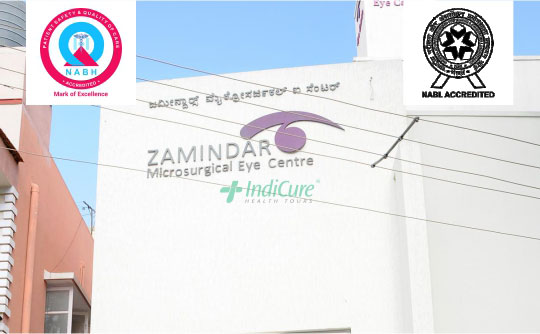
Location: Bangalore
Speciality: Multi-Superspeciality
Loading...
No. of Beds: Accreditation : NABH
Zamindar’s Microsurgical Eye Centre (ZMEC), which was founded in 1997, has been offering high-quality eye care to patients in and around Bangalore for the past 25 years. Their patients vouch for their services, and they are highly regarded for offering best-in-class eye treatment. The motto of Dr. Zamindar’s Microsurgical Eye Centre is ‘Quality is not an accident, but the outcome of deliberate efforts.’ The hospital has been a premium supplier of best-in-class eye care services since 1997, making them one of The Top Eye Hospitals in Bangalore, with a success rate of 99.9% in performing cataract procedures.
Centre for Sight, New Delhi

Location: New Delhi
Speciality: Multi-Superspeciality
Loading...
Loading...
It is one of India’s most prestigious eye hospitals, with 47 locations around the country. A large panel of roughly 145 doctors, all of them highly skilled and experienced in their specialties, work together to give flawless treatment for all types of ailments.
What is an Intestine Transplant?
Intestine transplantation (also known as intestinal transplantation or small bowel transplantation) is a surgical procedure that replaces the small intestine in patients with chronic or acute intestinal failure.
The human body requires nutrition to function properly. If they can’t be consumed owing to intestinal failure, they’re given intravenously by complete parenteral nutrition, which involves placing a catheter in the patient’s neck, arm, chest, or groin. Because using a catheter for an extended time increases the risk of infections, bone dislocation, and liver illness, an intestinal transplant becomes the only long-term treatment for intestinal failure.
Intestinal failure can occur at any time after birth or later in life. In the following situations, an intestinal transplant may be required:
- Short gut syndrome
- TPN (Total Parenteral Nutrition) complications are a common occurrence. These include the failure to locate additional intact veins into which the catheter can be inserted, bone movement caused by prolonged insertion, and infection.
- Complications of the liver
Intestinal failure can be caused by a variety of factors, including nutritional, viral, traumatic, and metabolic problems that impair normal anatomy and physiology.
The inability to absorb nutrients, fluids, and electrolytes from food, which happens in case of small intestine failure can be life-threatening. Homeostasis cannot be maintained without these vital substances and so would be the ability to maintain energy balances without the small intestine working.
Types of Intestinal Transplant
Small bowel transplant: Only the small intestine is transplanted
Combined intestine and liver transplant: In addition to a small bowel transplant, you may have a liver transplant also.
Multivisceral transplant: A multivisceral transplant often includes a pancreas transplant. Some people also receive a stomach or colon transplant.
Modified multivisceral transplant: You receive transplantation of the stomach, pancreas and intestine.
In the most basic and common graft, an isolated intestinal graft, only sections of the jejunum and ileum are transplanted.
When is an Intestine Transplant Required?
If your medical condition falls into one of the following categories, you may be a candidate for an intestinal transplant:
- TPN related complications:
- Parenteral nutrition-induced liver disease
- Central venous catheter (CVC) related thrombosis of two or more central veins
- Frequent episodes of central line sepsis
- Intestinal failure with intolerance to parenteral nutrition
- Intestinal failure with high morbidity (frequent hospitalization, narcotic dependency) or inability to function
Patient’s unwillingness to accept long-term home parenteral nutrition
- Intestinal failure with high morbidity (frequent hospitalization, narcotic dependency) or inability to function
- Short Bowel Syndrome (SBS). This is a malabsorption disorder caused by the surgical removal (resection) of large sections of the intestine.
- Chronic Intestinal Pseudo-obstruction (CIPO)
- Intra-abdominal non-metastasizing tumors
How is Intestine Transplant done?
Before the intestinal transplant, the patient is assessed thoroughly and made to undergo a battery of tests to ensure that the donor is healthy enough to survive the surgery. The test includes blood testing and various other investigations, physical assessment by the physician, the surgeon, an anesthetist, gastroenterologists, dietitians and other psychological tests.
The Intestine Transplant Selection Committee will present and discuss your results once your transplant evaluation is completed in order to provide the best possible recommendations about your ongoing medical treatment, surgical intervention, and suitability for intestinal transplant surgery.
You will begin the waiting period once you have been listed, and you may be called for transplant surgery at any time. The length of the wait is determined by the availability of the organ. You will be seen in the transplant clinic throughout this time and will need to have follow-up testing at regular intervals.
The length of surgery varies depending on what type of intestinal transplant you’re having. On an average, the intestine transplant takes about 8-12 hours.
Step 1
Your blood vessels will be linked to the blood vessels of the transplanted intestine once the diseased bowel is removed. The latter will be linked to your intestines or whatever remains of them.
Step 2
Your surgeon will divert a small portion of your small bowel through a hole in your abdomen called the stoma, according to the rules of an ileostomy.
Step 3
Following the procedure, your body’s digestive waste will travel through the stoma and into an external pouch. Your transplant team will be able to examine the health of your transplanted intestine as a result of this.
What is the Recovery After an Intestine Transplant Like?
You will be shifted to the transplant intensive care unit (ICU) after the transplant surgery, where you will stay for a few days depending on how fast you recover. To ensure that the transplanted intestine survives in your body, you will need to take anti-rejection medications for the rest of your life.
The recovery procedure following an intestinal transplant is a long and sluggish one that tries to gradually improve the patient’s health and fitness. Resuming normal daily activities could take up to six months.
What Results Can I Expect from Intestine Transplant?
Because of advances in medical research, the number of people who have survived has increased over time. The survival rate of intestinal transplants is currently 70%, and in some cases much higher.
Questions you must ask
Here is a set of questions you should consider asking while planning your journey for an intestine transplant surgery in India.
- Is it time for a Intestine transplant?
- Is the surgeon board certified?
- How experienced is the Surgeon?
- Which language does the surgeon speak?
- Is the treatment done in a well-equipped facility?
- Can you give me any information on outcomes and complication rates?
- How much pain can I expect, and how will it be managed in the hospital and after I go home?
- What about the risks involved?
- Does the surgeon use a certified anesthetist?
- How long will the recovery period be?
Be ready to respond about:
Prepare to answer questions about your:
- Medical history and exams
- Previous surgeries
- Current medication review
- History of smoking, drugs, or alcohol