
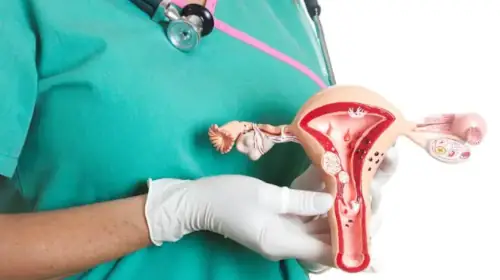
Uterus Cancer Treatment Cost in India
Last updated: April 19, 2026
Uterus Cancer Treatment Cost in India depends on the type of treatment required, your medical condition, hospital, and the city where you choose to get the treatment done. You may need either surgery or chemotherapy, or may need both; or a combination of chemotherapy, radiotherapy, hormone therapy, and surgery. The uterus cancer treatment cost in India would thus change accordingly.
The cost quoted below in the cost table is indicative and should not be taken as the final cost of the uterus cancer treatment cost in India. The final cost can be ascertained after the oncologist has evaluated the patient. The cost in Indian Rupees can vary based on the exchange rate.
Explore the typical uterus cancer treatment cost in India with MediTraWell Health Tours:
| Procedure | Cost (Range in US $) |
|---|---|
| Investigations | 500-1,000 |
| Chemotherapy | 300-2,000 per cycle |
| Radiotherapy | 3,500-5,500 |
With end to end services for your hassle-free Cancer Treatment in India, MediTraWell has made the entire process of seeking medical tourism in India easy and hassle free for you besides making it affordable.
Factors that Affect Uterus Cancer Treatment Cost in India:
- Oncologist’s Fees An important expense when it comes to your cancer treatment is going to be your oncologist’s fees. MediTraWell recommends highly experienced, skilled, board-certified doctors who can deliver successful surgeries. Although the cost may vary depending on the experience of the surgeon, you can be assured that you are in safe and skilled hands when you choose cancer treatment in India with MediTraWell.
- Type of Treatment Required Many times, the best option might include more than one type of treatment. Surgery alone or with other treatments is used to treat most cancers. The cost associated with each type of treatment is different. MediTraWell recommends you understand the options by getting your details evaluated by our expert doctors.
- Number of Chemotherapy and Radiation Cycles The overall cancer treatment cost depends on the number of chemotherapy or radiation therapy cycles that a patient must undergo. In some patients, the doctors might advise giving more than a couple of cycles of chemotherapy or radiation therapy to kill the cancerous cells.
- Surgical Facility Having your treatment for cancer in an accredited surgical facility by skilled and qualified medical staff is a critical factor. Moreover, the geographical location of this facility in India also affects the treatment cost. But, MediTraWell provides you with a projected estimate that will be all-inclusive and affordable.
- Pre and Post Treatment Expenses The pre-surgical/treatment expenses are associated with the stage of the cancer and medical condition of the patient and thus the number and type of investigations and treatment required. Post-treatment expenses may include prescription medications and follow-up consultations.
We Customize the Uterus Cancer Treatment Quote to Suit Your Preferences
At MediTraWell, we consolidate most of the expenses for your uterus cancer treatment in India to provide you with an inclusive and cost-effective package tailored to your budget and individual requirements. After receiving medical reports, your case manager will provide an estimated cost based on a discussion with the oncologist.
The final uterus cancer treatment cost in India can however be confirmed after your face-to-face consultation with the oncologist.
We at MediTraWell, understand that you travel with a budget in mind and do not like to be greeted by surprises after arrival in India. We thus club all these expenses and give you a package cost that is inclusive and affordable at the same time.
Your case manager shall give you an estimated cost of your surgery after discussing your medical reports with the surgeon. The final cost, however, shall be confirmed after your consultation with the surgeon.
Medi Trawell Services
Making Medical Travel to India Affordable & Hassle-free for 15+ Years

We Help you Choose the Right Treatment, Surgeon & Hospital

We Arrange Video/Telephonic Consultation with the Surgeon

We Assist you with Visa & Accommodation

We Receive you at the Airport and Drop you at Hotel/Hospital

We Assist you the at Hospital & Provide Post Operative Support
Our services are FREE for our patients.
In fact, we have Special Negotiated Rates with the Hospitals and you can avail Discounted Rates when you choose to Travel with MediTrawell. Container
Cancer Treatments We Offer
Here is a compilation of the cancer treatment options we provide in India.
- Leukemia
- Multiple Myeloma
- Aplastic Anemia
- Osteosarcoma
- Squamous Cell Carcinoma
- Pancreatic Cancer
- Eye Cancer
- Bladder Cancer
- Cervical Cancer
- Penile Cancer
- Endometrial Cancer
- Skin Cancer
- Bone Cancer
- Esophagus Cancer
- Kidney Cancer
- Testicular Cancer
- Breast Cancer
- Lung Cancer
- Ovarian Cancer
- Gallbladder Cancer
- Thyroid Cancer
- Colon Cancer
- Prostate Cancer
- Blood Cancer
Best Oncologists in India
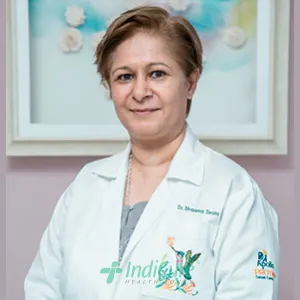
Dr. Bhawna Sirohi
Medical Oncologist
MBBS, DCH, FRCP,
Chennai
Dr. Bhawna Sirohi is a renowned Medical Oncologist in India with more than 25 years of experience in the field of Oncology. She is a well-known senior consultant who specializes in treating Breast cancers and Gastrointestinal cancers all over the world.
Dr. Bhawna has collaborated with some of the world’s best oncology centers and oncologists. She is presently working with Apollo Proton Cancer Center as the Lead – Medical Oncologist. Dr. Sirohi is also an honorary consultant at London’s Queen Mary’s University and has over 100 publications published in national and international journals.
She is the President of Royal Society of Medicine’s and the Chairman of the ICMR Task Force for Cancer Guidelines on Colorectal Cancer, NET, HCC, Pancreatic cancer, and Esophageal cancer, and an advisor to the NCI-AIIMS committee.

Dr. Meenu Walia
Medical Oncologist
MBBS, MD, DNB
Delhi
About Doctor: Dr. Meenu Walia has an experience of more than 27 years in the field of Medical Oncology and Hematology. She is the keen Clinical researcher and principal investigator for several randomized multi-centric international clinical research trials.
She is highly skilled in treating Abdominal Solid Organ Cancers, Gastro-Intestinal Cancers, and Leukemia/Lymphoma. She is a Member of the American Society of Clinical Oncologists and the European Society for Medical Oncology, among other important organizations (ESMO). Clinical research is a specific focus of hers. She has served as the Principal Investigator for a number of randomized multicenter international clinical trials.
She is a Member of the American Society of Clinical Oncologists and the European Society for Medical Oncology, among other important organizations (ESMO). Clinical research is a specific focus of hers. She has served as the Principal Investigator for a number of randomized multicenter international clinical trials.
Dr. Walia is the first DNB Medical Oncologist in the country and has been honored with various awards during her tenure. India Today Group has honored her with the certificate for excellence in recognition of the exemplary work and dedication in the field of healthcare. She was also awarded the “Bharat Jyoti Award” and certificate for excellence by Dr. Bhishma Narain Singh- The former Governor of Tamil Nadu and Assam for her meritorious services, outstanding performance, and remarkable role in healthcare.

Dr. Randeep Singh
Medical Oncologist
MBBS, MD, DM
Gurgaon
Dr. Randeep Singh is an extensively trained doctor specialized in the management of cancer patients at the prestigious Tata Memorial Hospital (TMH), Mumbai.
He did his DM (Medical Oncology) and then worked as a consultant at TMH, Mumbai with the solid tumor-working group. He worked with Max Healthcare for five years. Thereafter he headed the department of Medical Oncology at HCG cancer center, Delhi before joining Artemis Hospitals, Gurgoan followed by Narayana Hospital.
He has vast experience in managing solid and hemato-lymphoid tumors with a special interest in breast, lung, and gastrointestinal cancers. Dr. Singh has more than 30 publications in national and international journals of high impact factor. He has also attended and presented various scientific papers in national and international journals.
Best Cancer Hospitals in India
These are our top cancer hospitals in India, ensuring you receive the healthcare you deserve.
Desire Aesthetics Clinic, Chennai

Location: Chennai
Speciality: Multi-Superspeciality
Loading...
No. of Beds: Beds : 310
Desire Aesthetics Clinic, based in Chennai, provides a variety of cosmetic and reconstructive surgical services. The clinic is equipped with cutting-edge equipment and is dedicated to providing cosmetic and plastic surgery services at a reasonable cost. Dr. A. Sivakumar, a prominent cosmetic and reconstructive surgeon, is the clinic’s director. Through a team of cosmetic and plastic surgeons with a combined 50 years of experience, the clinic has been providing medical and surgical aesthetic procedures.
Apollo Spectra Hospital, Hyderabad
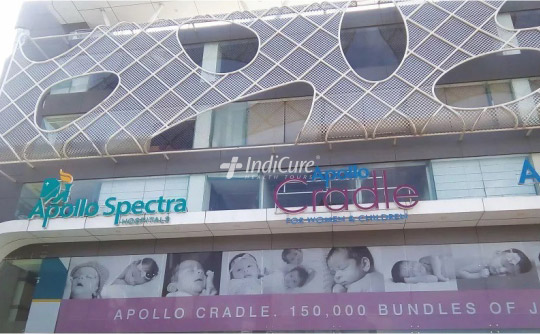
Location: Hyderabad
Speciality: Multi-Superspeciality
Loading...
Loading...
Apollo Spectra Hospital is a multi-specialty hospital in Hyderabad that offers world-class medical care. The hospital, which has a capacity of 21 beds, provides expert care in a variety of specialties, including urology, orthopedics and spine surgery, ENT, bariatric surgery, and ENT. Ophthalmology, gastroenterology, general medicine, and plastic and cosmetic surgery are among the medical disciplines offered at the facility. Beds : 21
Uterus Cancer
The most frequent type of cancer in the female reproductive system is uterine cancer. Uterine cancer develops when healthy cells in the uterus begin to alter and grow uncontrollably, resulting in a tumor.
Tumors can be malignant or non-cancerous. A malignant tumor has the potential to grow and spread to other areas of the body. A benign tumor can expand, but it will not spread to other parts of the body.
Uterine cancer is divided into two types:
- Endometrial Cancer:
The majority of uterine malignancies are of this type. It arises from the endometrium’s cells. Endometrial cancer is the common name for this type of cancer.
Endometrioid carcinoma is a frequent subtype of endometrial cancer. Treatment for this type of cancer differs based on the tumor’s grade, how far it has spread into the uterus, and the disease’s stage or extent.
- Uterine Sarcoma:
This type of uterine cancer originates in the uterine glands’ supporting tissues or in the uterine muscle, the myometrium. Sarcoma contributes to approximately 2% to 4% of all uterine malignancies.
Symptoms of Uterine Cancer:
The symptoms of uterine cancer might be mistaken for those of a variety of other illnesses. This is especially true for diseases that affect the reproductive organs.
Endometrial cancer or uterine sarcoma symptoms include:
- Vaginal bleeding after menopause
- Bleeding between periods
- Lower abdominal pain or cramping in the pelvis.
- Thin white or clear vaginal discharge in postmenopausal women
- If you’re over 40, you may experience unusually long, heavy, or regular vaginal bleeding.
Causes and Risk Factors for Uterus Cancer
Doctors don’t know what causes endometrial cancer. What is known is that something causes changes (mutations) in the DNA of cells in the endometrium, or uterine lining.
Normal, healthy cells become abnormal as a result of the mutation. Healthy cells proliferate and replicate at a predetermined rate before dying at a predetermined period. Abnormal cells multiply and develop out of control, and they don’t perish. The aberrant cells that are collecting form a bulk (tumor). Cancer cells infiltrate adjacent tissues and can break out from a primary tumor to spread to other parts of the body (metastasize).
Factors that increase the risk of uterine/ endometrial cancer include:
- Imbalance of female hormones in the body: Fluctuations in the balance of female hormones in the body can increase the risk of uterus cancer.
- Longer menstruating years: Early onset of menstruation, or late menopause increases the risk of endometrial cancer.
- No Pregnancy: Women who have never been pregnant are at a higher risk of endometrial cancer than someone who has had at least one pregnancy.
- Aging: Aging increases your risk of endometrial cancer.
- Obesity: Being obese increases your risk of endometrial cancer.
When is Endometrial Cancer Treatment Needed?
If you are suffering from any of the above-mentioned symptoms, you should see a doctor immediately who would advise tests to confirm the diagnosis. If you are diagnosed with endometrial cancer, you need to start the treatment immediately.
How is Endometrial Cancer Treatment Done?
Treatment for uterus cancer is determined by several criteria, including the cancer’s stage, any other health issues you may have, and your personal preferences. Surgery, radiation, chemotherapy, immunotherapy or a combination of various treatments can all be used to treat endometrial cancer.
Surgery: Endometrial cancer is usually treated by a hysterectomy, which entails removing the uterus as well as the fallopian tubes and ovaries (salpingo-oophorectomy). A hysterectomy prevents you from becoming pregnant in the future. You’ll also go through menopause if your ovaries are removed, if you haven’t already.
Your surgeon will also look for symptoms of cancer spreading surrounding your uterus during the operation. Lymph nodes may also be removed for testing by your surgeon. This aids in determining the stage of your cancer.
Radiation therapy: To kill cancer cells, radiation therapy employs high-energy beams such as X-rays and protons. Your doctor may offer radiation to lower your chances of a cancer return following surgery in specific cases.
Radiation therapy may be recommended before surgery in some cases to reduce a tumor and make it easier to remove. If you aren’t in good enough health to have surgery, radiation therapy may be your only option.
Radiation therapy can include the following procedures:
- Radiation emitted by a machine located outside of your body. You lie on a table as a machine distributes radiation to particular points on your body during external beam radiotherapy.
- Radiation that is injected into your body. Internal radiation (brachytherapy) entails inserting a radiation-filled device, such as small seeds, wires, or a cylinder, into your vaginal cavity for a brief period.
Chemotherapy: Chemotherapy is a type of cancer treatment that involves the use of chemicals to kill cancer cells. You may receive a single chemotherapy treatment or a combination of two or more drugs.
Chemotherapy medications can be either orally or injected into your veins (intravenously). These medications enter your bloodstream and kill cancer cells as they move through your body.
Chemotherapy may be prescribed following surgery if there is a chance that the cancer will return. Chemotherapy can also be used prior to surgery to shrink the size of the tumor, making it more likely to be entirely eliminated during surgery.
Hormone therapy: Hormone therapy entails taking drugs to reduce the body’s hormone levels. Cancer cells that rely on hormones to develop could perish as a result. If you have advanced endometrial cancer that has gone beyond the uterus, hormone therapy may be an option.
Targeted drug therapy: Targeted medication treatments concentrate on specific defects found in cancer cells. Targeted medication treatments can kill cancer cells by preventing them from exploiting these defects. For advanced endometrial cancer, targeted medication therapy is frequently paired with chemotherapy.
Immunotherapy: Immunotherapy is a medicine that boosts your immune system’s ability to fight cancer. Because cancer cells create proteins that blind immune system cells, your body’s disease-fighting immune system may not target cancer. Immunotherapy works by interfering with the immune system’s natural processes. If endometrial cancer has progressed and other treatments have failed, immunotherapy may be tried.
What Results can I expect from Cancer Treatment?
The results of the treatment depend on the stage of the uterus cancer. If detected early, there is a good chance of complete recovery.
What is the Recovery after Uterus Cancer Surgery Like?
Uterus removal surgery for endometrial cancer is a major surgery. An abdominal hysterectomy usually requires 3 to 7 days in the hospital. After an abdominal radical hysterectomy, the average hospital stay is 5 to 7 days.
It can take anywhere from 4 to 6 weeks to fully recover.
Questions you must ask
Here is a set of questions you should consider asking before commencing your medical tour for uterus cancer treatment in India.
- Is it time for endometrial cancer surgery?
- Is the oncologist board certified?
- How experienced is the surgeon?
- Which language does the surgeon speak?
- Is the treatment done in a well-equipped facility?
- What cancer treatment option is recommended for me?
- What about the risks involved?
- Does the surgeon use a certified anesthetist?
- How long will the recovery period be?
Be ready to respond about:
Prepare to answer questions about your:
- Medical history and exams
- Previous surgeries
- Current medication review
- History of smoking, drugs, or alcohol