

Spinal Fusion Surgery Cost in India
Last updated: May 3, 2026
Starting from USD 4500
INCLUDES
- Surgery
- Stay at the Hospital
- Pre-operative Investigations
- Medicines, Consumables
- Food at the hospital
- Airport Transfers
- MediTraWell assistance
DOES NOT INCLUDE
- Accommodation outside the Hospital
- Air tickets
- Medical Visa fee
STAY REQUIRED
- Stay at the Hospital - 1 to 2 days
- Stay at the Hotel - 7 to 8 days
- Stay in India - 8 to 10 days
Factors that affect Spinal Fusion Surgery Cost in India:
- Levels of Spinal Fusion
Spinal fusion surgery can be done for one/two or more than two levels and is a major factor in determining spinal fusion surgery cost in India. You can share your medical reports with us for our surgeon’s evaluation to guide you how many levels of spinal fusion is needed.
- Spine Surgeon’s Fees
An important expense when it comes to your spinal fusion surgery is going to be your spine surgeon’s fees. IndiCure recommends experienced, skilled, board-certified surgeons who are capable of delivering successful spinal fusion surgeries. Although the charges may vary depending on the experience of the surgeon, you can be assured to be in safe hands when you choose spine surgery in India with IndiCure.
- Type of Surgical Approach
The surgery can be done as an open surgery or via a minimally invasive technique, which affects the cost of the surgery. Besides, the use of any customized surgical instruments or specialized computer technology also affects the cost. With the hopes of improving patient care, new techniques and technologies are often introduced to the surgical process. Such innovative advancements in the surgical approach can increase costs.
- Surgical Facility
Having your spinal fusion surgery in an accredited surgical facility by skilled and qualified medical staff is a critical factor. Moreover, the geographical location of this facility also affects the quote. But, IndiCure provides you with a projected estimate that will be all inclusive and affordable.
- Surgery-Related Expenses
The surgery-related expenses include the pre- and post-surgical expenses. The pre-surgical expenses are associated with the age and medical condition of the patient and thus the number and type of investigations required. Post-surgical expenses may include prescription medications, physical therapy, and follow-up consultations.
We at IndiCure, understand that you travel with a budget in mind and do not like to be greeted by surprises after arrival in India. We thus club all these expenses and give you the package cost that is inclusive and affordable at the same time.
Your case manager shall give you an estimated cost of your surgery after discussing your medical reports with the surgeon. The final cost, however, shall be confirmed after your consultation with the surgeon.
We at MediTraWell, understand that you travel with a budget in mind and do not like to be greeted by surprises after arrival in India. We thus club all these expenses and give you a package cost that is inclusive and affordable at the same time.
Your case manager shall give you an estimated cost of your surgery after discussing your medical reports with the surgeon. The final cost, however, shall be confirmed after your consultation with the surgeon.
Medi Trawell Services
Making Medical Travel to India Affordable & Hassle-free for 15+ Years

We Help you Choose the Right Treatment, Surgeon & Hospital

We Arrange Video/Telephonic Consultation with the Surgeon

We Assist you with Visa & Accommodation

We Receive you at the Airport and Drop you at Hotel/Hospital

We Assist you the at Hospital & Provide Post Operative Support
Our services are FREE for our patients.
In fact, we have Special Negotiated Rates with the Hospitals and you can avail Discounted Rates when you choose to Travel with MediTrawell. Container
Best Spine Surgeons for Minimally Invasive Spine Surgery in India

Dr. Vishal Peshattiwar
Spine Surgeon
Mumbai
Qualifications: MBBS, MS, Clinical Fellowship in Minimally invasive spine surgery (Singapore)
Dr. Vishal Peshattiwar has a rich professional experience of over 22 years. He has done Clinical Fellowship in Spine Surgery at the National University Hospital (NUH) in Singapore which is one of the top 10 universities across the world.
Dr. Vishal exclusively practices Spine surgery with the core focus on minimally invasive spine surgery (MISS) which brings to his credit the largest series of high risk and minimally invasive spine surgery with successful outcomes.
He has done Clinical Fellowship in Spine Surgery at the National University Hospital (NUH) in Singapore which is one of the top 10 universities across the world.
He is the first surgeon in India to perform a minimally invasive multi-level spine fixation procedure and also the first successful spine fixation surgery using the minimally invasive approach in a patient with liver failure and TB. He has performed the largest number of high-grade spine listhesis surgery using MISS and the largest series of Spine procedures in patients with chronic kidney failure in Mumbai.

Dr. Rajesh Verma
Spine Surgeon
MBBS, MS, FIAO (USA), FRSH (UK)
New Delhi, Indi
Dr. Rajesh Verma is a well-known spine surgeon who has set primacy in the treatment of spinal disorders and complex bone & joint trauma. With his clinical experience spanning over 22 years, he has acquired expertise in spine surgeries.
Dr. Rajesh Verma has to his credit over 12,000 surgeries comprising all types of Spine surgeries, and Complex Trauma surgeries.
He has received extensive training in spinal procedures from a few of the premier medical institutes across the globe like National University Hospital (Singapore), Neurosurgery Centre Schittenhelstr (Hamburg, Germany), Denver Health Medical Centre (Denver, USA), Rocky Mountain Regional Trauma Centre (Denver, Colorado, USA). He further underwent advanced training at Severance Spine Hospital (Seoul, South Korea) where he acquired extensive skills in degenerative spine disorders and spinal deformity correction.
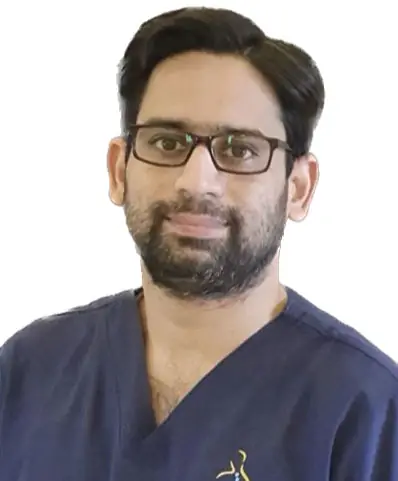
Dr Agnivesh Tikoo
Spine Surgeon
MBBS, MS (Ortho), FNB Spine Surgery
Mumbai
Dr. Agnivesh Tikoo is a prominent figure in the field of Orthopaedics and spine surgery. With more than a decade of experience, Dr. Tikoo is renowned for his surgical skills and compassionate patient care. He has authored over 10 studies on various medical topics, focusing on cervical spine disorders and geriatric concerns, earning recognition for his contributions to the field.
Dr. Tikoo specializes in managing spine injuries, displaced fractures, cervical spine disorders, adolescent bone and spine issues, and low back pain. He is an active member of prestigious medical organizations such as the Association of Spine Surgeons of India, dedicated to advancing orthopaedic care and keeping abreast of medical advancements. Offering a wide range of services, Dr. Agnivesh Tikoo addresses various spine surgery conditions, including slip disc, spinal fusion surgery, degenerated disc, cervical spondylitis treatment, spinal canal stenosis, spinal cord injury treatment etc. His dedication to excellence and patient-focused approach establish him as one of foremost spine surgeons in India.
Best Spine Surgery Hospitals in India
Fortis Hiranandani Hospital, Vashi, Mumbai
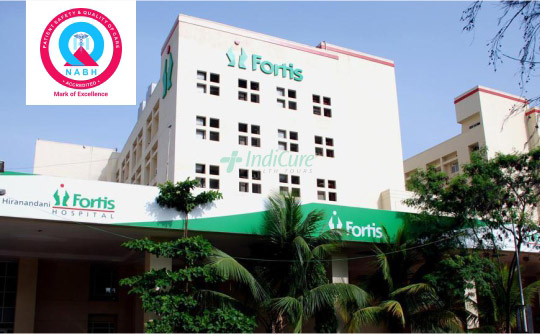
Location: Mumbai
Speciality: Multi-Superspeciality
Accreditation: Accreditation : National Accreditation Board for Hospitals & Healthcare Providers (NABH)
No. of Beds: Beds : 150
Fortis Hiranandani Hospital, which was opened in 2007, is a multi-specialty hospital that provides a wide range of innovative medical services. The hospital has been awarded the President of India’s National Energy Conservation Award. The SRL-NABL accredited pathology laboratory at Hiranandani Hospital is the only one in the city. The hospital has been awarded the President of India’s National Energy Conservation Award. It offers a wide range of medical services, including orthopedics, cardiology, neurology, pediatrics, urology, nephrology, ENT, and obstetrics and gynecology. https://www.MediTraWell.com/heart-surgery-cost-india/ https://www.MediTraWell.com/neurosurgery-cost-india/ cardiology https://www.meditrawell.com/best-gynecology-treatment-india/ neurology gynecology
Wockhardt Hospital, Mumbai
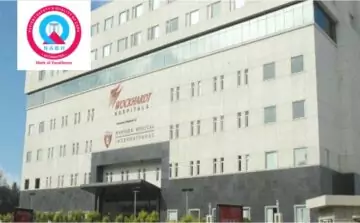
Location: Mumbai
Speciality: Multi-Superspeciality
Accreditation: Accreditation : Joint Commission International (JCI, USA), National Accreditation Board for Hospitals & Healthcare Providers (NABH), National Accreditation Board for Testing and Calibration Laboratories (NABL)
No. of Beds: Beds : 250
Wockhardt Hospitals is the hospital branch of the leading Wockhardt pharmaceutical company in India. The company is more than 4 decades old and is present in more than 20 countries around the globe. Wockhardt has 9 facilities in India in Mumbai, Nagpur, Rajkot, Nasik, and Surat. Wockhardt Hospital, South Mumbai is one of the most famous and advanced facilities of the Wockhardt group. Accredited by JCI, NABH and NABL, Wockhardt hospital, South Mumbai is a tertiary care multi super-specialty hospital offering state-of-the-art facilities and international standards of care. Accredited by JCI, NABH and NABL, Wockhardt hospital, South Mumbai is a tertiary care multi super-specialty hospital offering state-of-the-art facilities and international standards of care. In pursuance of its vision to establish state-of-the-art medical facilities in India along with a high degree of clinical excellence, the hospital has entered into strategic alliances with Partners Medical International, USA, whereby Wockhardt has access to Harvard’s expertise and experience in the fields of surgery and other Medicare services, making it one of the best hospitals in Mumbai.
Spinal Fusion Surgery
Spinal fusion surgery is a medical procedure wherein two or more spinal vertebrae are permanently joined together to eliminate motion between them. This technique stabilizes the vertebral segments and relieves any pain they may have been causing.
The goal of spine fusion surgery is to treat discomfort that is thought to be caused by a moving segment of the spine. The spine’s bones grow together or fuse during lumbar fusion, preventing motion between the two vertebrae. Intervertebral disc and bone spur removal relieves pressure on the spinal nerves, which lessens pain.
Injuries or the ageing process may be the cause of the pain. Back, leg, or arm discomfort might result from the irregular movement between the vertebrae caused by an unstable spine. The spine is straightened and stabilized via spinal fusion, which also lessens discomfort and protects the spinal cord and nerves by maintaining the proper disc gap between the vertebrae.
Spinal fusion may relieve symptoms of many back conditions, including:
- Although vertebral fractures can be corrected without spinal fusion surgery, it is occasionally necessary to do the procedure if the fracture makes the spinal vertebrae unstable.
- Spinal abnormalities such as scoliosis and kyphosis
- Herniated discs and degenerative disc disease
- The vertebra sliding onto the vertebra below is known as spondylolisthesis. It results in limb numbness and excruciating back and leg pain.
- Additional factors include tumors, infections, spinal stenosis, and more.
When is Spinal Fusion Surgery Needed?
When previous non-surgical treatments, such as medication, physiotherapy, and injections, have failed to ease the patient’s back, leg, and arm pain due to excessive aberrant motion at a vertebral segment, spinal fusion surgery is performed.
In cases of Spondylolisthesis and degenerative disc degeneration, spinal fusion surgery is also performed (isthmic, degenerative or post-laminectomy spondylolisthesis).
A weak or unstable spine caused by an infection, a spinal tumor, fractures, scoliosis, or any other deformity should also be treated with spinal fusion surgery.
A healthy individual who can endure the procedure well and is otherwise in good physical shape makes a good candidate for inexpensive spinal fusion surgery in India.
A good candidate for spinal fusion surgery is one who is otherwise in good physical condition, and can tolerate the procedure well.
Different Types of Spinal Fusions
Different types of spinal fusion surgeries are commonly available, like:
Lumbar Spine Fusion Surgery
The goal of lumbar fusion surgery is to relieve the patient’s leg and hip pain that originates in the low back. There are numerous ways to perform lumbar fusion surgery, but each method uses a bone graft to fuse the two vertebrae and so stop motion at that region.
Various types of spinal fusion surgeries in India that IndiCure can assist you with include:
- Posterolateral gutter fusion involves accessing the spine through the back
- Posterior lumbar interbody fusion (PLIF/TLIF) involves accessing the spine through the back while the patient lies on his stomach. The procedure entails removing the disc between two vertebrae and inserting the bone graft in the space.
- Anterior lumbar interbody fusion (ALIF) is the same as TLIF or PLIF except that the spine is accessed from the front. The technique remains the same.
- Anterior/posterior spinal fusion involves accessing spine from back and front both
- Minimally invasive techniques involve fusions to be done with smaller incisions.
Bone Grafting
Bone grafts are necessary for all spinal fusion procedures to aid with fusion. Bone grafts promote bone healing, aid in the fusion of the vertebrae into a single, solid bone, and, in the case of larger bone grafts, even serve as a structural support. Autografts are grafts taken from a person’s own body. A bone bank is often used to obtain cadaver bone grafts, another type of graft.
Immobilization with braces, plates, rods and screws are used to stabilize the bone and for internal fixation which speeds up the healing process.
Multiple level Spinal Fusion Surgery
Because the patient does not experience any motion restriction following fusion at one level, lumbar spinal fusion surgery is most successful in problems affecting just one vertebral segment. Fusing two levels is a viable strategy to relieve pain if necessary. The remaining spinal joints may become too stressed from spinal fusion at more than two levels, which could result in pain at further levels. Only in extremely rare circumstances, like scoliosis and lumbar deformity, is three or more level fusion suggested.
Cervical Spine fusion surgery
In order to stabilize the neck after an accident and avoid vertebral fractures that could harm the spinal cord and result in paralysis, the cervical spinal bones are fused. Additionally, spinal stenosis, ruptured discs, infections, tumors, and other spinal abnormalities are treated by cervical spine fusion surgery.
Questions to Ask
We at IndiCure completely understand your concerns and it is always our endeavor to provide the best outcome for every patient. Following is the list of questions you must ask before you embark on your journey for affordable spinal fusion surgery in India.
- Is it time for a spinal fusion surgery?
- Is the spine surgeon board certified?
- How experienced is the Surgeon?
- Which language does the surgeon speak?
- Is the surgery done in a well-equipped facility?
- Can you give me any information on outcomes and complication rates?
- How much pain can I expect, and how will it be managed in the hospital and after I go home?
- Is physical therapy necessary after surgery?
- What about the risks involved?
- Does the surgeon use a certified anesthetist?
- How long will the recovery period be?
Preparation for the Surgery
Prepare to answer questions about your:
- Medical history and exams
- Spinal evaluations
- MRI and/or CT Scans
- Current medication review