
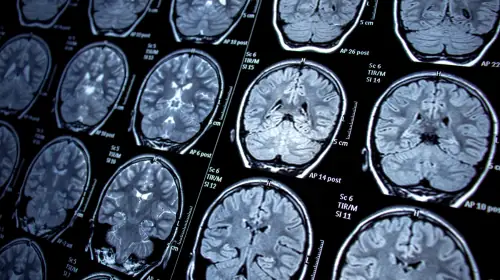
Gamma Knife Surgery Cost in India
Last updated: May 3, 2026
Starting from USD 6200
The Gamma Knife Surgery Cost in India starts at approximately USD 6,200, but it can vary based on several factors, including the patient’s medical condition and history, any existing comorbidities, the surgeon’s expertise, the choice of surgical facility, and the city where the procedure is performed.
It is important to note that this is an estimated figure and should not be taken as the definitive Gamma Knife Surgery Cost in India. The precise cost will be determined after a thorough evaluation by the surgeon. Furthermore, the cost in Indian Rupees may vary depending on the prevailing exchange rates.
INCLUDES
- Surgery
- Stay at the Hospital
- Pre-operative Investigations
- Medicines, Consumables
- Food at the hospital
- Airport Transfers
- MediTraWell assistance
DOES NOT INCLUDE
- Accommodation outside the Hospital
- Air tickets
- Medical Visa fee
STAY REQUIRED
- Stay at the Hospital - 1 to 2 days
- Stay at the Hotel - 7 to 8 days
- Stay in India - 8 to 10 days
Factors that Affect Gamma Knife Surgery Cost in India:
- Choice of Surgical Facility
Selecting an accredited surgical center with experienced and qualified medical professionals is essential for the success of gamma knife surgery in India. Major cities like Mumbai and Delhi boast state-of-the-art medical infrastructure and access to highly skilled surgeons, which can contribute to higher gamma knife surgery cost in India. To ensure top-notch care and patient safety, IndiCure Health Tours collaborates with leading surgical facilities in these metropolitan hubs.
- Neurosurgeon’s Fees
One of the key factors influencing the gamma knife surgery cost in India is the neurosurgeon’s fee. IndiCure Health Tours partners with board-certified surgeons renowned for their extensive experience and proven success in performing complex procedures. While the surgeon’s fee may vary based on their expertise and reputation, IndiCure ensures you are connected with professionals who prioritize your safety and deliver outstanding results for your gamma knife surgery in India.
- Surgery-Related Expenses
Surgery-related costs encompass both pre-operative and post-operative expenses. Pre-operative costs depend on factors like the patient’s age and medical condition, which dictate the required investigations and their complexity. Post-operative expenses typically include prescribed medications and follow-up consultations to monitor recovery.
We Customize the Gamma Knife Surgery in India Quote to Suit Your Preferences
At IndiCure Health Tours, we combine the majority of expenses for your gamma knife surgery in India, offering an all-inclusive and budget-friendly package that is customized to your specific needs and financial requirements. Once we receive your medical reports, your dedicated case manager will provide an estimated gamma knife surgery cost in India based on discussions with the surgeon.
The final gamma knife surgery cost in India, however, will be confirmed after your in-person consultation with the surgeon.
We at MediTraWell, understand that you travel with a budget in mind and do not like to be greeted by surprises after arrival in India. We thus club all these expenses and give you a package cost that is inclusive and affordable at the same time.
Your case manager shall give you an estimated cost of your surgery after discussing your medical reports with the surgeon. The final cost, however, shall be confirmed after your consultation with the surgeon.
Medi Trawell Services
Making Medical Travel to India Affordable & Hassle-free for 15+ Years

We Help you Choose the Right Treatment, Surgeon & Hospital

We Arrange Video/Telephonic Consultation with the Surgeon

We Assist you with Visa & Accommodation

We Receive you at the Airport and Drop you at Hotel/Hospital

We Assist you the at Hospital & Provide Post Operative Support
Our services are FREE for our patients.
In fact, we have Special Negotiated Rates with the Hospitals and you can avail Discounted Rates when you choose to Travel with MediTrawell. Container
Questions you must ask
Here is a set of questions you should consider asking before commencing your journey for gamma knife surgery in India.
- Is it time for gamma knife robotic radiosurgery?
- Is the neurosurgeon board certified?
- How experienced is the Surgeon?
- Which language does the surgeon speak?
- Is the surgery done in a well-equipped facility?
- Can you give me any information on outcomes and complication rates?
- How much pain can I expect, and how will it be managed in the hospital and after I go home?
- What about the risks involved?
- Does the surgeon use a certified anesthetist?
- How long will the recovery period be?
Be ready to respond about:
Prepare to answer questions about your:
- Medical history and exams
- Previous surgeries
- Current medication review
- History of smoking, drugs, or alcohol
Best Neurosurgeons in India

Dr. Arjun Srivastsa
Neurosurgeon
MBBS, MS (Surg), DNB (Neurosurgery)
Bangalore
Dr. Arjun has a rich experience of more than 21 years, he has more than 7500 surgeries under his belt.
This has brought him into the frontage of minimally invasive neurosurgery. Dr. Srivatsa pursued DNB (Neurosurgery), and obtained the Diplomate of National Board (Neurosurgery) from the renowned VHS Medical Center, Adyar, Chennai, in 1995, under the mentorship of Dr. B. Ramamurthy (Father of Indian Neurosurgery).
He has further supplemented and enhanced his surgical skills by participating in several conferences both in India and abroad. He is an accomplished and meticulous neurosurgeon having the clinical precision in the management of wide gamut neurological and spine skull base problems, endoscopic discectomies, cervical disc problems, spine tumors, spine trauma, spine disc problems, etc.
more than 7500 surgeries under his belt

Dr Avinash K M
Neurosurgeon
MBBS, MS, MCh (Neurosurgery), MRCS (Edinburgh) FINR (Interventional Neurosurgery), FMINS (Minimally Invasive & Endoscopic Neurosurgery)
Bangalore
Dr Avinash is a highly trained & a very senior neurosurgeon, who specializes in Minimally Invasive and Endovascular Neurosurgery. He has been extensively trained at some of the best Medical schools in India, UK, Germany & Switzerland. He is a Fellow of Royal College of Surgeons of Edinburgh, UK & has also studied at University Hospitals in Zurich, Switzerland & Stuttgart, Germany. He did his advanced sub super speciality training in Interventional vascular Neurosurgery (FINR) from Zurich, Switzerland, and FMINS-Fellowship in minimally invasive and Endoscopic Neurosurgery from Germany.
He is also extensively trained in Vascular Neurosurgery and brain bypass surgeries at the world renowned center for vascular neurosurgery at Sapporo, Japan. He has also completed his training in Endoscopic and Minimally Invasive neuro and Spine surgery at University Hospital Stuttgart Germany.
His special interests include endoscopic skull base surgery, interventional neurosurgery, cerebro-vascular neurosurgery, endovascular neurosurgery, minimally invasive microneurosurgery, endoscopic and minimally invasive spine surgery etc.
He has been extensively trained at some of the best Medical schools in India, UK, Germany & Switzerland. He is a Fellow of Royal College of Surgeons of Edinburgh, UK & has also studied at University Hospitals in Zurich, Switzerland & Stuttgart, Germany. He did his advanced sub super speciality training in Interventional vascular Neurosurgery (FINR) from Zurich, Switzerland, and FMINS-Fellowship in minimally invasive and Endoscopic Neurosurgery from Germany.

Dr. Rana Patir
Neurosurgeon
MBBS, MS, MCh
Gurgaon
Currently working at Fortis Memorial Research Institute in Gurgaon as the Head and Director of the Department of Neurosurgery, Dr. Patir is a well renowned brain and spine surgeon in India.
Brain tumor surgery, deep brain stimulation surgery, meningioma surgery, and brain stem tumor surgery are all the areas of his expertise.
Epilepsy Surgery, Pediatric Neurosurgery, Neuromodulation (pain management), Skull Base Surgery, Neurovascular Surgery, and Minimal Invasive Brain & Spine Surgeries such as Fusion and Fixation, Kyphoplasty, and Disc Replacement are few of the procedures he is well renowned for.
Dr Patir has performed over 10,000 neurological treatments over 25 years of experience focusing on brain tumor surgery.
Best Neurology Hospitals in India
Sir HN Reliance Hospital, Mumbai
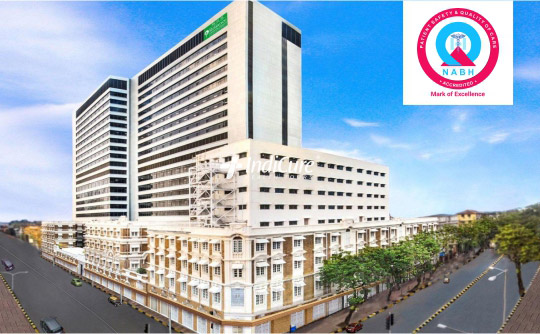
Location: Mumbai
Speciality: Multi-Superspeciality
Accreditation: Accreditation : Joint Commission International (JCI, USA), National Accreditation Board for Hospitals & Healthcare Providers (NABH)
No. of Beds: Beds : 345
Sir HN Reliance Foundation Hospital was founded in 1925 and is Mumbai’s largest LEED Gold-rated Green Hospital. It is Mumbai’s first hospital to offer self-contained rooms, with an area of 800,000 square feet (showers, toilets and rest areas for relatives). The hospital features a whole level dedicated to in-patient beds that are free or heavily subsidized. The hospital adheres to AIA design standards, NFPA medical gas standards, ASHARE HVAC requirements, AERB Radiation and Nuclear Medicine standards, and Drug Controller of India blood bank standards.
Centre for Sight, Banjara Hills
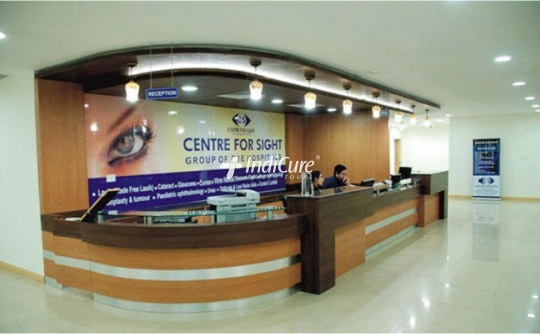
Location: Hyderabad
Speciality: Multi-Superspeciality
Loading...
Loading...
The Centre for Sight Eye Hospital in Banjara Hills, Hyderabad, is a leading single-specialty hospital that offers a wide range of eye care procedures. The hospital is a premier healthcare institution for LASIK and its numerous procedures, including PRK/surface ablation, blade lasik, and SMILE surgeries, among its many ocular surgeries and treatments. The institution also offers LASIK surgery without the need of a blade. Refractive/cataract surgery and oculoplasty procedures are also available at the facility.
Gamma Knife Surgery in India
Gamma knife radiosurgery is now one of the most accepted and widely used radiosurgery treatments in the world for brain tumors or cancers. About half a million people have been treated with Gamma knife surgery, and it’s the only Radiation Therapy System cleared by the FDA for irradiating brain metastases.
Gamma knife surgery, despite the name, there is no blade or knife – it’s called Gamma knife because radiosurgery (one-session treatment) has such a dramatic and precise effect in the target zone that the changes are considered ‘surgical.’ So there’s no incision or blood, and minimal risk of complications.
Gamma knife is a type of stereotactic radiosurgery that uses strong doses of gamma radiation to treat the part of the brain suffering from the disease. The radiation, though powerful, is precise enough that it does not cause any harm to the surrounding healthy brain tissue. It is meant to target only the diseased brain cells.
Gamma knife surgery is effective in the treatment of brain tumors which can be benign or cancerous. It is also widely used for treating arteriovenous malformations in the brain and other neurological dysfunctions like trigeminal neuralgia.
Gamma knife radiosurgery is a non-invasive and non-surgical procedure as it does not involve any cutting of the tissue and is a highly advanced method of radiation therapy that emits high energy beams of gamma radiation to effectively kill the small tumors.
The deep tumors, blood vessel abnormalities and other nervous system problems that neurosurgeons found difficult to tackle with the scalpel due to the location or posed a high risk to the patient can now be treated with gamma knife surgery. It has thus given new hope to patients suffering from brain tumors, Arteriovenous malformations and other functional disorders of the brain.
Gamma knife surgery is used to treat a wide array of problems in the brain. It is most commonly indicated in conditions that include:
- Deep brain tumors
- Post-surgical residual tumor cells
- Pituitary tumors
- Arteriovenous malformations
- Trigeminal neuralgia
After the FDA’s approval for a gamma knife to treat brain disorders, the gamma knife is the most preferred choice for brain disorders among patients and doctors worldwide. However, due to the non-availability of gamma knives in various countries and the very high cost of treatment in Western countries, gamma knife treatment in India offers great value for patients across the world. Not only is gamma knife surgery cost in India much more affordable, but you get treated by top neurosurgeons in the world.
Facts about Gamma Knife Radiosurgery
It is Not Really a Knife
The Gamma Knife procedure is entirely non-invasive, involving no incisions or cutting, and does not require the use of anesthesia. It is performed as an outpatient procedure, allowing patients to return home the same day. For the Gamma Knife to work, radiation energy is directed directly through the skull and into brain tumors.
It is More Accurate
During the treatment, up to 192 carefully focused, low-intensity radiation beams are precisely directed at the tumor. This technique ensures that the tumor is targeted and destroyed by the radiation while surrounding healthy tissue remains unharmed. The key advantage of this procedure is that patients can begin treatment immediately.
It’s Not Just for Brain Tumors
Gamma Knife can be used to target problematic locations besides brain tumors because of the radiation’s accuracy in precisely locating the target. Other brain problems, non-cancerous pituitary tumors, tumors of the ear or eye nerves, and abnormalities of the blood vessels in the brain have all been effectively treated using the Gamma Knife.
It Can Multitask
The Gamma Knife can treat multiple tumors. In a single session, it can target and treat anywhere from 15 to 20 tumors, or this can be achieved over the course of several sessions. This capability is beneficial for patients with multiple brain tumors, as it allows for efficient treatment without the need for multiple separate procedures.
When is Gamma Knife Radiosurgery Advised?
Patients with the following conditions are most likely to benefit from Gamma Knife surgery: Meningiomas (non-cancerous tumors) brain cancer or metastatic brain tumors. brain tumors that are malignant, such as gliomas or glomus tumors. Besides, Arteriovenous malformations, trigeminal neuralgia, auditory neuroma, and tremors are all treated using gamma knife surgery.
How is Gamma Knife Radiosurgery Done?
Before you undergo gamma knife radiosurgery, your surgeon would advise you to undergo several tests which include MRI, CT and pathology tests depending on which your surgeon will base the final decision.
Step 1: Facemask and Imaging
Depending on the size and location of the tumor a stereotactic face mask, which is custom made, to fit your face perfectly is used during the session to hold your head still. After this, you need to undergo the imaging scans wearing the facemask. After the scan, the surgeon will plan the exact dosage of radiation to be given depending on the nature of your tumor.
Step 2: Planning the Treatment:
Using the latest CT and MRI imaging, the surgeon can accurately assess the tumor’s size, shape, and location. This detailed information helps determine the precise dosage of radiation required, as well as the optimal size and configuration of the radiation beams. The surgeon will also calculate the number of beams needed and their angles.
Step 3: Positioning the Patient:
The radiation machine is calibrated according to the specific treatment plan designed for your case. You’ll be asked to lie back and relax on the treatment table. If any slight adjustments to your position are needed, stereotactic X-rays and laser technology are used to make exact corrections, ensuring that the radiation is accurately directed to the tumor.
Step 4: Delivery of Radiation:
After positioning the patient in the right way, the surgeon will leave the room and operate the machine from the control room. The machine will make a slight noise and shall move around your head to deliver the radiation beam in one or more directions. The treatment takes 30 minutes or longer depending on the number of targets.
What are the Results of Gamma Knife Surgery in India?
Gamma Knife has an excellent success rate, especially for specific site tumors, which is as high as 85-90%. It also has a very high success rate for AVM, for which Gamma knife radiosurgery is the treatment of choice. Research suggests the obliteration rate for AVMs treated radio surgically through Gamma knife to range between 80 and 90 percent upon two-year follow-up. The procedure has similar high success rates for Trigeminal Neuralgia and other conditions.
Gamma knife radiosurgery offers a more favorable quality of life – during and after the procedure, as compared to conventional surgery.
What is the Recovery after Gamma Knife Surgery in India like?
Recovery is very swift and pain-free after the gamma knife treatment. You may experience a mild headache for a few hours after the procedure, which is quite common and often occurs as you have not eaten anything. The gamma knife radiosurgery in India is completed in a single session and does not require more than a few hours. Most of the patients are able to resume their routine activities within 24-48 hours of the procedure with specific instructions given by the surgeon.
The patient can leave the hospital either on the day of surgery or needs a maximum overnight stay for observation. The patient can resume normal activities almost immediately.