
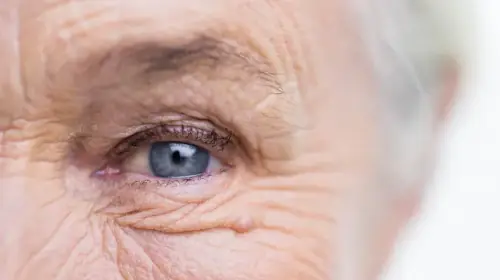
Glaucoma Treatment Cost in India
Last updated: May 3, 2026
Starting from USD 400
Glaucoma Treatment Cost in India starts from US $400 and varies depending on the type of treatment, your medical history and condition, doctor, hospital and the city where you choose to get the treatment done.
INCLUDES
- Surgery
- Stay at the Hospital
- Pre-operative Investigations
- Medicines, Consumables
- Food at the hospital
- Airport Transfers
- MediTraWell assistance
DOES NOT INCLUDE
- Accommodation outside the Hospital
- Air tickets
- Medical Visa fee
STAY REQUIRED
- Stay at the Hospital - 1 to 2 days
- Stay at the Hotel - 7 to 8 days
- Stay in India - 8 to 10 days
Factors that affect Glaucoma Treatment Cost in India:
- Type of Treatment Required:
While some patients may do well with medication alone, others may need surgery to treat the condition. Our expert doctors will advise the right treatment for you depending on your medical history and the severity of your condition, which in turn will affect the glaucoma treatment cost in India.
- Ophthalmologist’s Fees
An important expense when it comes to your glaucoma treatment is going to be your ophthalmologist’s fees. IndiCure recommends highly experienced, skilled, board-certified surgeons who are capable of delivering successful treatments. Although the charges may vary depending on the experience of the surgeon, you can be assured that you are in safe and skilled hands when you choose eye treatment in India with IndiCure.
- Surgical Facility
Having your glaucoma surgery in an accredited surgical facility by skilled and qualified medical staff is a critical factor. Moreover, the geographical location of this facility in India also affects the quote. But, IndiCure provides you with a projected estimate that will be all inclusive and affordable.
- Treatment-Related Expenses
The treatment-related expenses include the pre- and post-treatment expenses. The pre-treatment expenses are associated with the age and medical condition of the patient and thus the number and type of investigations required. Post-treatment expenses may include prescription medications and follow-up consultations.
We at MediTraWell, understand that you travel with a budget in mind and do not like to be greeted by surprises after arrival in India. We thus club all these expenses and give you a package cost that is inclusive and affordable at the same time.
Your case manager shall give you an estimated cost of your surgery after discussing your medical reports with the surgeon. The final cost, however, shall be confirmed after your consultation with the surgeon.
Medi Trawell Services
Making Medical Travel to India Affordable & Hassle-free for 15+ Years

We Help you Choose the Right Treatment, Surgeon & Hospital

We Arrange Video/Telephonic Consultation with the Surgeon

We Assist you with Visa & Accommodation

We Receive you at the Airport and Drop you at Hotel/Hospital

We Assist you the at Hospital & Provide Post Operative Support
Our services are FREE for our patients.
In fact, we have Special Negotiated Rates with the Hospitals and you can avail Discounted Rates when you choose to Travel with MediTrawell. Container
Best Ophthalmologists in India
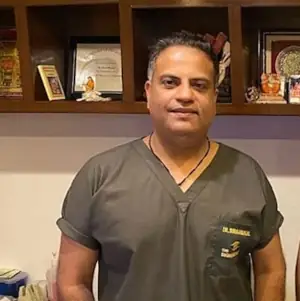
Dr Suraj Munjal
LASIK
MBBS, MS
Delhi
Dr Suraj Munjal is a well renowned name in Eye care not only in Delhi NCR, but the entire North India. With proficiency in refractive surgeries and corneal transplants, Dr Munjal is considered one of the best eye doctors in India and manages a wide array of complex and referred cases from across India and other countries. He is widely regarded as the best eye doctor in Delhi and has amassed extensive experience in performing successful LASIK surgeries.
With his dedication to delivering exceptional eye care, Dr Munjal is committed to providing affordable and personalized treatments without compromising on ethics. His commitment has led him to perform surgeries in various Middle Eastern countries, including Iraq, Dubai, Kurdistan, and Bahrain, at the invitation of local governments.

Dr. Nishikant Borse
Retinal Surgery
MBBS, MS, FMRF, FASRS
Mumbai
Dr. Nishikant Borse is not only regarded as one of the best ophthalmologists in Mumbai, but also one of the best eye doctors in India. With more than 25 years of experience and more than 10,000 surgeries to his credit with challenging retina cases, he is one of India’s top retina surgeons. After completing his medical studies at the illustrious Grant Medical College in Mumbai and earning a Master’s degree in Ophthalmology, he underwent advanced training and Fellowship at the prestigious Sankara Nethralaya in Chennai.
Dr. Borse is frequently asked to speak as a guest speaker at conferences all around the country and the world. He has led various training sessions for teaching the complexities of retinal surgery in Mumbai and other areas of the country. He has carried out real retinal procedures at numerous conferences. He has had a number of research papers published in both domestic and foreign journals.
Dr. Borse has been many awards nationally and internationally, like The Rhett Buckler Award by the American Society of Retina Specialists, Cesare Forlini Award by the European Vitreoretinal Society, C S Reshmi Award by the All India Ophthalmological Society,
He is a member of the Bombay Ophthalmologists Association, the Maharashtra Ophthalmological Society, the All India Ophthalmological Society, the Vitreo-Retinal Society of India, the American Academy of Ophthalmology, and the International Society of Ocular Trauma. He is also a Fellow of the American Society of Retina Specialists.
American Academy of Ophthalmology, and the International Society of Ocular Trauma. He is also a Fellow of the American Society of Retina Specialists

Dr. Nishikant Borse
Retinal Surgery
MBBS, MS, FMRF, FASRS
Mumbai
Dr. Nishikant Borse is not only regarded as one of the best ophthalmologists in Mumbai, but also one of the best eye doctors in India. With more than 25 years of experience and more than 10,000 surgeries to his credit with challenging retina cases, he is one of India’s top retina surgeons. After completing his medical studies at the illustrious Grant Medical College in Mumbai and earning a Master’s degree in Ophthalmology, he underwent advanced training and Fellowship at the prestigious Sankara Nethralaya in Chennai.
Dr. Borse is frequently asked to speak as a guest speaker at conferences all around the country and the world. He has led various training sessions for teaching the complexities of retinal surgery in Mumbai and other areas of the country. He has carried out real retinal procedures at numerous conferences. He has had a number of research papers published in both domestic and foreign journals.
Dr. Borse has been many awards nationally and internationally, like The Rhett Buckler Award by the American Society of Retina Specialists, Cesare Forlini Award by the European Vitreoretinal Society, C S Reshmi Award by the All India Ophthalmological Society,
He is a member of the Bombay Ophthalmologists Association, the Maharashtra Ophthalmological Society, the All India Ophthalmological Society, the Vitreo-Retinal Society of India, the American Academy of Ophthalmology, and the International Society of Ocular Trauma. He is also a Fellow of the American Society of Retina Specialists.
American Academy of Ophthalmology, and the International Society of Ocular Trauma. He is also a Fellow of the American Society of Retina Specialists
Best Eye Hospitals in India
Indira IVF, Mumbai
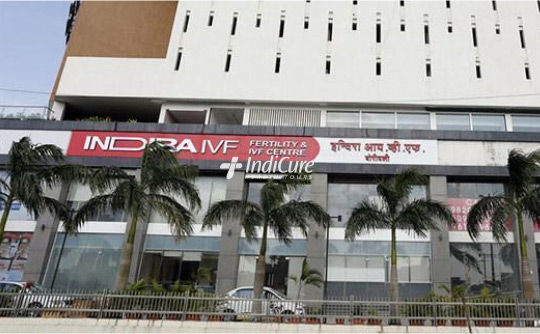
Location: Mumbai
Speciality: IVF & Infertility
Loading...
Loading...
Indira IVF Hospital in Mumbai is a pioneer in providing affordable and reputable infertility treatment to people from all walks of life. The single-specialty hospital in Mumbai, which opened in 2017, is descended from its parent hospital in Udaipur, which opened in 1988 with only two rooms. Because of the employment of innovative medical technologies, sophisticated medical infrastructure, and individualized care from medical workers and specialists, the hospital has a reputation for successful IVF stories over the previous 5+ years.
Nova IVF, Bangalore
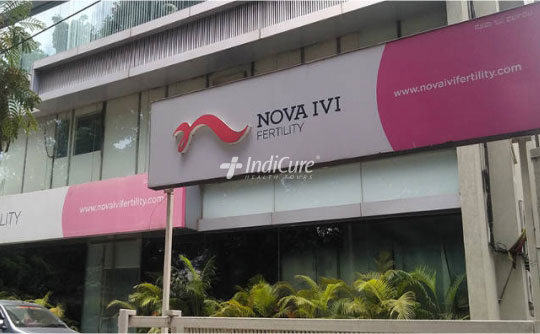
Location: Bangalore
Speciality: IVF
Loading...
Loading...
Since its inception in 2011, the Nova IVI Fertility Centre in Sadashivanagar has assisted thousands of couples in their quest to become parents. Koramangala, Sadashivanagar, and Kammanahalli are the three locations in Bangalore where the centres are located. The clinic has the proper combination of technology and expertise to provide the finest treatment possible in compliance with international standards.
Glaucoma Treatment
Glaucoma
Glaucoma is a disorder in which the optic nerve of your eye is damaged. Over time, it worsens. It’s frequently linked to an increase in intraocular pressure. Glaucoma is a disease that runs in families. It is frequently not discovered until later in life.
Intraocular pressure, or the pressure inside your eye, can harm your optic nerve, which sends images to your brain. Glaucoma can cause permanent vision loss or perhaps total blindness within a few years if the damage increases.
Causes of Glaucoma
Aqueous humour, the fluid inside your eye, normally drains out of your eye through a mesh-like channel. The liquid builds up if this route becomes clogged or if the eye produces too much fluid. Experts aren’t always sure what causes the blockage. It can, however, be inherited, which means that it is handed down from parents to children.
Symptoms of Glaucoma
The majority of persons with open-angle glaucoma have no symptoms. If symptoms do appear, it is usually late in the course of the disease. Glaucoma is known as the “sneak thief of eyesight” because of this. The most common symptom is a loss of side vision, often known as peripheral vision.
Angle-closure glaucoma symptoms frequently appear sooner and are more noticeable. It is possible for damage to occur fast. If you have any of these symptoms, seek medical attention as soon as possible.
Symptoms of angle-closure glaucoma usually come on faster and are more obvious. Damage can happen quickly. If you have any of these symptoms, get medical care right away:
- Seeing halos around lights
- Vision loss
- Redness in your eye
- Eye that looks hazy (particularly in infants)
- Upset stomach or vomiting
- Eye pain
Types of Glaucoma
There are two main kinds:
- Open Angle Glaucoma–
The most prevalent type of glaucoma is open-angle glaucoma. It’s also known as wide-angle glaucoma by your doctor. The trabecular meshwork (the drain structure in your eye) appears to be in good working order, yet fluid does not flow out as it should.
- Angle-closure Glaucoma
is a kind of glaucoma that is more common in Asia. It’s also known as acute or chronic angle closure glaucoma or narrow-angle glaucoma. Because the drain area between your iris and cornea gets too tiny, your eye does not drain as well as it should. This can result in a sudden increase in ocular pressure. Farsightedness and cataracts, a clouding of the lens inside your eye, are also linked to it.
Less common types of glaucoma include:
- Secondary glaucoma:
occurs when an underlying ailment, such as cataracts or diabetes, produces an increase in ocular pressure.
- Normal-tension glaucoma:
occurs when you have blind patches in your vision or your optic nerve is injured despite having a normal eye pressure. According to some specialists, it’s a type of open-angle glaucoma.
- Pigmentary glaucoma:
Pigment from your iris, the coloured component of your eye, gets into the fluid inside your eye and clogs the drainage canals, causing pigmentary glaucoma.
Glaucoma Treatment
To relieve the pressure in your eye, your doctor may use prescription eye drops, oral medicines, laser surgery, or microsurgery.
- Eye drops: can reduce the amount of fluid produced in your eye or enhance the flow of it out, decreasing eye pressure.
- Oral medication: Your doctor may prescribe an oral medication, such as a beta-blocker or a carbonic anhydrase inhibitor, for you to take. These medications can help with drainage or slow the production of fluid in the eye.
- Laser Surgery: If you have open-angle glaucoma, laser surgery can help to increase the flow of fluid out of your eye. If you have angle-closure glaucoma, it can help you avoid fluid blockage.
Procedures include:
- Trabeculoplasty:
This opens the drainage area.
- Iridotomy:
This makes a tiny hole in your iris to let fluid flow more freely.
- Cyclophotocoagulation:
This treats areas of the middle layer of your eye to lower fluid production.
- Microsurgery:
A trabeculectomy is a treatment in which your doctor builds a new channel to drain fluid and relieve eye pressure. It’s possible that this type of surgery will need to be repeated. A tube may be implanted by your doctor to aid in the drainage of fluid. This procedure can result in eyesight loss that is temporary or permanent, as well as bleeding or infection.
When is Glaucoma Treatment needed?
Glaucoma treatment should be sought immediately for those who have been diagnosed with the disease.
Questions to Ask
We at IndiCure completely understand your concerns and it is always our endeavor to provide the best outcome for every patient. Following is the list of questions you must ask before you embark on your journey for glaucoma treatment in India.
- Is it time for glaucoma treatment?
- Is the eye surgeon board certified?
- How experienced is the Surgeon?
- Which language does the surgeon speak?
- Is the surgery done in a well-equipped facility?
- Can you give me any information on outcomes and complication rates?
- How much pain can I expect, and how will it be managed in the hospital and after I go home?
- What surgical option is recommended for me?
- What about the risks involved?
- Does the surgeon use a certified anesthetist?
- How long will the recovery period be?
Preparation for the Surgery
Prepare to answer questions about your:
- Medical history and exams
- Previous surgeries
- Current medication review
- History of smoking, drugs, or alcohol
Surgical Procedure
Trabeculectomy
Step 1
Your eye will be numbed, cleaned, and a lid speculum will be placed over it to keep it open. Then you’ll be wrapped in a drape that just exposes your eye. You’ll be aware that the surgeon is working, but you shouldn’t be able to feel anything.
Step 2
A bleb at the top of your eye will be opened by the surgeon. The surgery will be performed beneath your eyelid, so it will not be visible thereafter.
Step 3
After the new drainage site has been formed, your surgeon will apply sutures around the site to keep the “flap” over the bleb open during the healing process, as the site must not reseal.
What Results can I Expect from Glaucoma Surgery?
After the procedure, the results are pleasing. The success rate of long-term trabeculectomy has been found to be high. It’s expected that 90 percent of the people who took part were successful, with two-thirds of them no longer needing medication to regulate their symptoms.
What is the Recovery from Glaucoma Surgery like?
Discomfort and impaired vision in the afflicted eye are common early adverse effects following surgery. The blurring could last two weeks, but it could take up to 12 weeks for your eye to feel and see normally again. Your surgical site and stitches will be sore, but once the stitches are removed, the tenderness should subside.
You’ll have to stick to a tight routine of applying prescribed antibiotic and steroid eye drops throughout the day for two to three months after surgery. Following surgery, your doctor will advise you to cease taking your usual glaucoma treatments in the damaged eye.