

Bentall Procedure Cost in India
Last updated: April 19, 2026
Starting from USD 9,000
INCLUDES
- FDA Approved Implant
- Surgery and Stay at the Hospital
- Pre-operative Investigations
- Medicines, Consumables & Food at the hospital
- Airport Transfers & MediTraWell assistance
DOES NOT INCLUDE
- Accommodation outside the Hospital
- Air tickets
- Medical Visa fee
STAY REQUIRED
- Stay at the Hospital - 1 to 2 days
- Stay at the Hotel - 7 to 8 days
- Stay in India - 8 to 10 days
With end to end services for your hassle-free Cancer Treatment in India, MediTraWell has made the entire process of seeking medical tourism in India easy and hassle free for you besides making it affordable.
Factors that Affect Bentall Procedure Cost in India
- Heart Surgeon’s Fees
A significant component of Bentall Procedure Cost in India is the heart surgeon’s fees. MediTraWell recommends highly experienced, skilled, board-certified heart surgeons who can deliver excellent results. While the charges may vary based on the surgeon’s experience, you can be confident that you are in safe and capable hands when opting for affordable heart surgery in India with the cardiac surgeons recommended by MediTraWell Health Tours.
- Type of Surgical Approach
In the pursuit of enhancing patient care, the medical field continually introduces new techniques and technologies into surgical procedures. These innovative advancements are designed to improve outcomes, reduce recovery times, and increase the overall effectiveness of treatments. While these advancements can significantly benefit patient care, they may also lead to higher cost of Bentall Procedure Cost in India.
- Your Choice of Surgical Facility:
Selecting an accredited medical facility with skilled and qualified medical staff is essential for the success of Bentall procedure in India. Larger cities in India generally provide superior medical facilities and more experienced heart surgeons, leading to higher costs. MediTraWell Health Tours chooses to recommends surgical facilities in these larger cities of India to prioritize quality of care and ensure safety of our overseas patient guests.
- Surgery-Related Expenses
Total surgery-related expenses include the expenses incurred pre- and post-surgery. The pre-surgical expenses vary with the age and medical condition of the patient and thus requiring different number and type of investigations. The post-surgical expenses include prescription medications, number of follow-up consultations required.
We Customize Bentall Procedure Cost in India Quote to Suit Your Preferences
At MediTraWell Health Tours, we consolidate most of the expenses for your Bentall Procedure Cost in India to provide you with an inclusive and cost-effective package tailored to your budget and individual requirements. After receiving medical reports, your case manager will provide an estimated cost based on a discussion with the heart surgeon.
The final Bentall Procedure Cost in India can however be confirmed after your face-to-face consultation with the heart surgeon in India.
We at MediTraWell, understand that you travel with a budget in mind and do not like to be greeted by surprises after arrival in India. We thus club all these expenses and give you a package cost that is inclusive and affordable at the same time.
Your case manager shall give you an estimated cost of your surgery after discussing your medical reports with the surgeon. The final cost, however, shall be confirmed after your consultation with the surgeon.
Medi Trawell Services
Making Medical Travel to India Affordable & Hassle-free for 15+ Years

We Help you Choose the Right Treatment, Surgeon & Hospital

We Arrange Video/Telephonic Consultation with the Surgeon

We Assist you with Visa & Accommodation

We Receive you at the Airport and Drop you at Hotel/Hospital

We Assist you the at Hospital & Provide Post Operative Support
Our services are FREE for our patients.
In fact, we have Special Negotiated Rates with the Hospitals and you can avail Discounted Rates when you choose to Travel with MediTrawell. Container
Cardiac Procedures We Offer
Here is a compilation of the heart treatment options we provide in India.
- Holter Monitoring
- Alcohol Septal Ablation
- AICD
- Coronary Angiography
- Coronary Angioplasty (PTCA)
- Pacemaker Implantation
- Cardiac Bypass (Heart Bypass)
- ASD Device Closure
- Aortic Valve Replacement
- ASD Treatment
- VSD Treatment
- Cardiac Tumor Surgery
- EP Study
- Balloon Valvuloplasty
- Bentall Procedure
- Cardiac Ablation
- Minimally Invasive Heart Bypass
- Valve Replacement Surgery
- Pediatric Heart Surgery
- Robotic Heart Surgery
- Heart Transplant
- LVAD (Left Ventricular Assist Device)
- TAVR (Transcatheter Aortic Valve Replacement)
- Truncus Arteriosus Repair
Best cardiologist in India
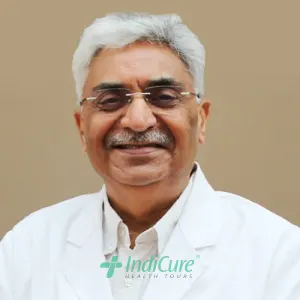
Dr. T S Kler
Interventional Cardiologist
MBBS, MD, DM, Fellow of Royal College of Physicians (FRCP), UK and Fellow of American College of Cardiology (FACC)
Gurgaon
Dr. TS Kler is one of the most renowned names in the field of Cardiology in India. He was the first doctor in India to implant an implantable cardioverter defibrillator (ICD) and establish the first electrophysiology department in India. He is also the first doctor in South East Asia, to perform the first heart failure device (Biventricular Pacemaker) and Combo Device (ICD and Biventricular Pacemaker).
the first doctor in India to implant an implantable cardioverter defibrillator (ICD) and establish the first electrophysiology department in India.
He is known for performing more than 300 angioplasties, including stenting/atherectomy/rotablation, and around 2000 cardiac diagnostic angiograms every year. Complex Coronary Interventions and Angioplasty Using Advanced Techniques, Cardiac Pacing and Electrophysiology, Devices in Heart Failure, Cardiomyopathy, and Sudden Cardiac Death are some of his areas of interest.
In 2005, the President of India bestowed the PADMA BHUSHAN, India’s third highest civilian honor on him, for contribution in the area of medicine. He was Awarded the 2006 Lifetime Achievement Award for extraordinary contributions to clinical and preventive cardiology throughout the world.
South East Asia, to perform the first heart failure device (Biventricular Pacemaker) and Combo Device (ICD and Biventricular Pacemaker).
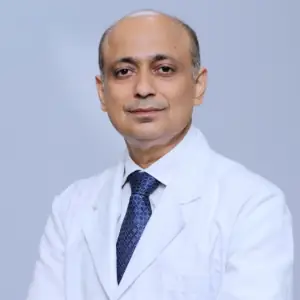
Dr Sanjeev Gera
Interventional Cardiologist
MBBS, MD, DNB - Cardiology, FESC, MACC, CRT-D Fellowship, Imaging IVUS fellowship, Medtronic TAVR Certification
Delhi
With over 20 years of extensive experience, Dr. Sanjeev Gera is considered one of the most renowned and best cardiologists in India. Trained at prestigious institutes in Delhi, he is celebrated for his evidence-based, patient-centric, and cost-effective approach to treating cardiac conditions.
Having worked previously for more than 10 years at the renowned Fortis Escorts hospital, Dr. Gera is presently working as Director and Head of Cardiology department at Fortis hospital, Noida.
He has earned recognition on various international platforms and has received numerous accolades for his contributions. His passion and dedication are evident in his commitment to delivering high-quality care to his patients in the field of cardiology.
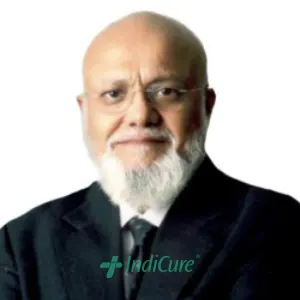
Dr. S.S. Bhattacharya
Cardiac Surgeon
MBBS, MS, MCh
Mumbai
Dr. S.S. Bhattacharya is a famous Cardiac Surgeon in India with more than 36 years of experience. He was involved in the development of several surgical devices, including the Arterial Retractor for Mitral Valve Replacement and the Internal Mammary Artery Retractor for the removal of bilateral Internal Mammary Arteries.
He has articles published in international and national peer-reviewed journals. He has given talks at conferences where he has shared his research findings.
He has successfully treated over 15,000 cases, many of which were complex cases. Dr. Bhattacharya was also honored with a memorial award for his pioneering work in cardiothoracic and vascular surgery.
Best Cancer Hospitals in India
These are our top cancer hospitals in India, ensuring you receive the healthcare you deserve.
Manipal Hospital, Whitefield
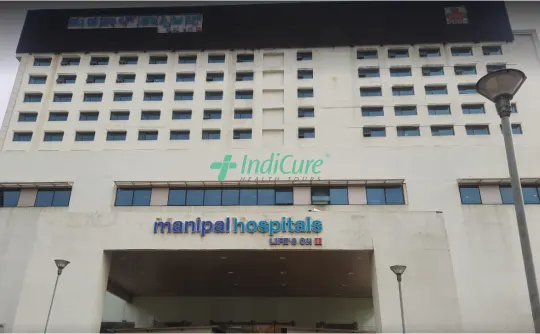
Location: Bangalore
Speciality: Multi-Superspeciality
Accreditation: Accreditation : NABH, NABL (ISQUA)
No. of Beds: Beds : 280
Manipal Hospital Whitefield is part of the renowned Manipal Hospitals network, which is known for its patient care and quality. It is a 280-bed multi-specialty hospital in Bangalore’s Whitefield neighborhood that provides world-class care. The hospital is NABH and NABL (ISQUA) accredited. The 280 bedded hospital with 10 beds in CCU, and 2 OperationTheatres.
Fortis La Femme, Richmond Town, Bangalore
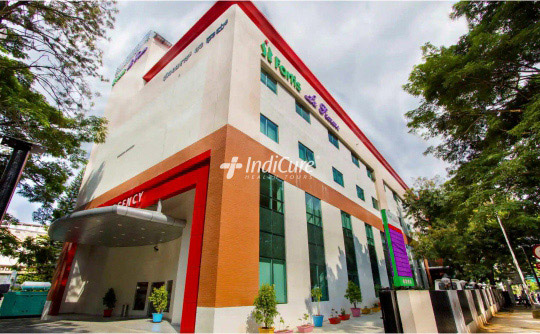
Location: Bangalore
Speciality: Multi-Superspeciality
Accreditation: Accreditation : NABH
No. of Beds: Beds : 72
Fortis La Femme is a 72-bed boutique institution in Richmond Town Bengaluru dedicated to women’s and children’s care. The hospital is India’s top healthcare provider for women at all periods of their lives, including pregnancy, adolescence, motherhood, menopause, and beyond. The hospital defies stereotypes by positioning itself as a comprehensive ‘Women’s Health’ provider. There are a variety of room options available at Fortis La Femme to suit any budget. Room options include General Ward, Twin Sharing, Single Deluxe, Suite, and Presidential Suite. Mamma Mia is known for providing unique prenatal and postnatal care to all expectant women through a variety of services such as Yoga, Lamaze, Exercise, Reflexology, and other services. The hospital also houses the Amaara Human Milk Bank, the world’s first and only non-profit human breast milk bank, which opened in October 2017.
What is Bentall Procedure?
Bentall procedure is a type of heart surgery that helps to address aorta issues. Your aorta transports oxygen-rich blood from your heart to the rest of your body. Your aorta is the largest artery in your body, measuring roughly 30 centimeters long and 2.5 centimeters wide.
The Bentall procedure involves composite graft replacement of the aortic valve, aortic root, and ascending aorta, with re-implantation of the coronary arteries into the graft. This operation is used to treat combined disease of the aortic valve and ascending aorta, including lesions associated with Marfan syndrome.
The procedure is named for Hugh Bentall, who first performed and described it in 1968.
Purpose of the Bentall Procedure
A multitude of medical conditions can cause difficulties with the aorta and aortic valve. Marfan syndrome, a hereditary disease that affects a person’s connective tissue, including some of the tissues in the aortic root and valve, is one of the most common problems.
A person with Marfan syndrome may develop an aneurysm in their ascending aorta, in addition to other medical issues. (An aneurysm is a weakening of the artery wall that causes the artery to bulge or distend. The majority of aneurysms have no symptoms and are not hazardous. Some, however, can burst at their most severe stage, resulting in life-threatening internal bleeding).
In addition to other potential medical problems, a person with Marfan syndrome might have an aneurysm form in their ascending aorta.
This can cause the artery to burst, resulting in a potentially fatal situation. Intervention, such as the Bentall technique, is required to prevent this. If an aneurysm has already ruptured, the Bentall treatment may be required as an emergency surgery.
When is Bentall Procedure required?
The Bentall surgery is indicated for the following conditions of the aorta:
- Aortic regurgitation – when your heart’s aortic valve doesn’t close properly
- Marfan’s syndrome – a disease from birth that weakens the aortic wall thickness
- Aortic aneurysm – widening of the aorta
- Aortic dissection – when the inner layer of the aorta tears
An aortic root aneurysm might not always require surgical correction (such as a Bentall procedure). The benefits of surgery must be weighed against the risks of not having surgery.
How is Bentall Procedure done?
Bentall surgery is done under general anesthesia and takes about 4-5 hours. You are connected to a heart-lung bypass machine during the operation on the heart and adjacent structures. This equipment can do the functions that your heart and lungs regularly perform. This enables the surgeon to momentarily halt your heart while he or she works on the aorta and its valve.
Step 1
In the first step, the surgeon makes an incision along the chest to access the heart, specifically aiming for the aortic valve and the aorta. During this part of the procedure, you’ll likely be connected to a heart-lung machine, which temporarily takes over the function of your heart and lungs.
Step 2
The surgeon carefully clamps the aorta to temporarily stop blood flow in the affected area. This allows them to work on the aorta and aortic valve without blood obscuring the surgical site. Following this removal, the surgeon will attach a prosthetic tube, known as a graft, to replace the removed section.
Step 3
The surgeon will surgically connect one end of the graft to your remaining, normal aorta. The other end containing the valve is also sewn into the heart. The surgeon will also need to sew the coronary arteries (that bring blood to the heart itself), to make sure they receive adequate blood flow after the operation.
What is the Recovery after Bentall Procedure like?
You’ll be transferred to the intensive care unit for a day or two and connected to a ventilator, where your vitals will be monitored. You would then be shifted to your room where you would stay for 5-6 days under medical supervision. Your doctor will give you a list of instructions to follow before you are released, such as:
- Gradually increase your exercise as tolerated.
- For up to 12 weeks after surgery, avoid any strenuous activities.
- For the first few weeks after surgery, avoid lifting any heavy weights.
What Results Can I Expect from Bentall Procedure?
The Bentall procedure, a complex heart surgery, typically has a high success rate, offering promising outcomes for patients. This operation replaces the aortic valve, aortic root, and ascending aorta, often involving coronary artery reattachment. Here’s what patients can generally expect:
- Improved Heart Function: The procedure restores normal blood flow by addressing issues like aortic aneurysms or aortic valve disease, helping patients maintain stable blood pressure and heart function.
- Symptom Relief: Many patients experience significant relief from symptoms like chest pain, shortness of breath, fatigue, and dizziness, which are common in severe aortic diseases.
- Enhanced Quality of Life: With improved heart performance, most patients can resume daily activities, sometimes even within weeks. Over time, they can regain the energy levels and physical ability they had before their condition worsened.
- Long-term Durability: Bentall procedures are known for their durability. Replacing the aortic valve with a mechanical or tissue valve provides lasting results, although patients with mechanical valves will require lifelong blood-thinning medications.
- Survival Rates: Studies show that this procedure has a relatively high survival rate, particularly in centers with experienced cardiac surgeons. Many patients live long, healthy lives post-surgery, especially when they follow up with regular cardiac check-ups and a heart-healthy lifestyle.
- Low Risk of Complications: Although major heart surgeries carry inherent risks, advancements in surgical techniques and post-operative care have lowered complication rates for Bentall procedures.
Ultimately, the Bentall procedure offers a pathway to a healthier, more active life for many patients with severe aortic conditions.
Questions you must ask
Here is a set of questions you should consider asking before commencing your medical journey for Bentall Procedure in India.
- Is the heart surgeon board certified?
- How experienced is the Surgeon?
- Which language does the surgeon speak?
- Is the treatment done in a well-equipped facility?
- What treatment option is recommended for me?
- What about the risks involved?
- Does the surgeon use a certified anesthetist?
- How long will the recovery period be?
Be ready to respond about:
Prepare to answer questions about your:
- Medical history and exams
- Previous surgeries
- Current medication review
- History of smoking, drugs, or alcohol