
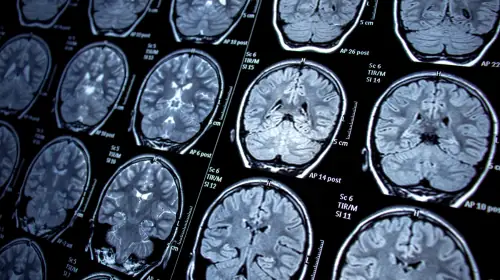
CyberKnife Treatment Cost in India
Last updated: May 3, 2026
Starting from USD 5800
The CyberKnife treatment cost in India starts at approximately USD 5,800, but it can vary based on several factors, including the patient’s medical condition and history, the surgeon’s expertise, the choice of surgical facility, and the city where the procedure is performed.
It is important to note that this is an estimated figure and should not be taken as the definitive CyberKnife treatment cost in India. The precise cost will be determined after a thorough evaluation by the surgeon. Furthermore, the cost in Indian Rupees may vary depending on the prevailing exchange rates.
INCLUDES
- Surgery
- Stay at the Hospital
- Pre-operative Investigations
- Medicines, Consumables
- Food at the hospital
- Airport Transfers
- MediTraWell assistance
DOES NOT INCLUDE
- Accommodation outside the Hospital
- Air tickets
- Medical Visa fee
STAY REQUIRED
- Stay at the Hospital - 1 to 2 days
- Stay at the Hotel - 7 to 8 days
- Stay in India - 8 to 10 days
Factors that Affect CyberKnife Treatment Cost in India:
- Choice of Surgical Facility
Choosing an accredited surgical center with experienced and qualified medical professionals is crucial for a successful CyberKnife treatment in India. Major cities such as Mumbai and Delhi offer advanced medical infrastructure and access to highly skilled surgeons, which may result in a higher CyberKnife treatment cost in India. To guarantee exceptional care and patient safety, IndiCure Health Tours recommends leading surgical facilities in these metropolitan areas.
- Neurosurgeon’s Fees
One of the key factors influencing the CyberKnife treatment cost in India is the neurosurgeon’s fee. IndiCure Health Tours partners with board-certified surgeons renowned for their extensive experience and proven success in performing complex procedures. While the surgeon’s fee may vary based on their expertise and reputation, IndiCure ensures you are connected with professionals who prioritize your safety and deliver outstanding results for your CyberKnife treatment in India.
- Surgery-Related Expenses
Surgery-related costs encompass both pre-operative and post-operative expenses. Pre-operative costs depend on factors like the patient’s age and medical condition, which dictate the required investigations and their complexity. Post-operative expenses typically include prescribed medications and follow-up consultations to monitor recovery.
We at MediTraWell, understand that you travel with a budget in mind and do not like to be greeted by surprises after arrival in India. We thus club all these expenses and give you a package cost that is inclusive and affordable at the same time.
Your case manager shall give you an estimated cost of your surgery after discussing your medical reports with the surgeon. The final cost, however, shall be confirmed after your consultation with the surgeon.
Medi Trawell Services
Making Medical Travel to India Affordable & Hassle-free for 15+ Years

We Help you Choose the Right Treatment, Surgeon & Hospital

We Arrange Video/Telephonic Consultation with the Surgeon

We Assist you with Visa & Accommodation

We Receive you at the Airport and Drop you at Hotel/Hospital

We Assist you the at Hospital & Provide Post Operative Support
Our services are FREE for our patients.
In fact, we have Special Negotiated Rates with the Hospitals and you can avail Discounted Rates when you choose to Travel with MediTrawell. Container
Questions you must ask
Here is a set of questions you should consider asking before commencing your journey for CyberKnife treatment in India.
- Is it time for cyberknife robotic radiosurgery?
- Is the neurosurgeon board certified?
- How experienced is the Surgeon?
- Which language does the surgeon speak?
- Is the surgery done in a well-equipped facility?
- Can you give me any information on outcomes and complication rates?
- How much pain can I expect, and how will it be managed in the hospital and after I go home?
- What about the risks involved?
- Does the surgeon use a certified anesthetist?
- How long will the recovery period be?
Be ready to respond about:
Prepare to answer questions about your:
- Medical history and exams
- Previous surgeries
- Current medication review
- History of smoking, drugs, or alcohol
Best Neurosurgeons in India

Dr. Aditya Gupta
Neurosurgeon
MBBS, MS, MCh (Nueurosurgery), Fellowship - CJW Medical Centre Richmond, US
New Delhi
Dr Gupta is one of the most accomplished surgeons in the field of Neurosurgery. He has an experience of more than two decades and practices excellent surgical techniques for a wide spectrum of brain and spine diseases.
His area of interest and proficiency includes microsurgery and radiosurgery and he holds expertise in management of patients with Movement Disorders, Epilepsy, Nerve and Brachial Plexus injury, brain aneurysms and Arteriovenous malformations. He also has expertise in all types of Spine surgery.
He has completed his Fellowship in Neurosciences from CJW Medical Centre Richmond, US. He also completed advanced training from University of Amsterdam, Wake Forest University-United States and University of Kiel-Germany. He has had the privilege to be featured on national television on several occasions and evidently one of the best neurosurgeons in India today.
holds expertise in management of patients with Movement Disorders, Epilepsy, Nerve and Brachial Plexus injury, brain aneurysms and Arteriovenous malformations.
Fellowship in Neurosciences from CJW Medical Centre Richmond, US. He also completed advanced training from University of Amsterdam, Wake Forest University-United States and University of Kiel-Germany

Dr. Rana Patir
Neurosurgeon
MBBS, MS, MCh
Gurgaon
Currently working at Fortis Memorial Research Institute in Gurgaon as the Head and Director of the Department of Neurosurgery, Dr. Patir is a well renowned brain and spine surgeon in India.
Brain tumor surgery, deep brain stimulation surgery, meningioma surgery, and brain stem tumor surgery are all the areas of his expertise.
Epilepsy Surgery, Pediatric Neurosurgery, Neuromodulation (pain management), Skull Base Surgery, Neurovascular Surgery, and Minimal Invasive Brain & Spine Surgeries such as Fusion and Fixation, Kyphoplasty, and Disc Replacement are few of the procedures he is well renowned for.
Dr Patir has performed over 10,000 neurological treatments over 25 years of experience focusing on brain tumor surgery.

Dr Bipin Walia
Neurosurgeon
MBBS, MS (Gen Surgery), MCh (Neurosurgery)
New Delhi
Dr Bipin S Walia is amongst the finest and renowned neurosurgeon in India. He has performed over 7000 successful neurosurgeries in his career span which earned him a reputable position as few of the best neurosurgeon in India.
He is an executive committee member of AO Spine, India and has been affiliated to various associations like American Association of Neurological Surgeons, Congress of Neurological Surgeons, Asian Congress of Neurological Surgeons and North American Association of Spinal Surgeons.
He is known for his skill and expertise in performing all kinds of brain and spinal surgeries, endoscopic neurosurgery, endoscopic cranial surgery, endoscopic disc surgery, brain tumor surgery and special focus on minimally invasive surgery for spinal tumors.
affiliated to various associations like American Association of Neurological Surgeons, Congress of Neurological Surgeons, Asian Congress of Neurological Surgeons and North American Association of Spinal Surgeons.
Best Neurology Hospitals in India
Rajiv Gandhi Cancer Institute & Research Centre

Location: New Delhi
Speciality: Multi-Superspeciality
Accreditation: Accreditation : National Accreditation Board for Hospitals & Healthcare Providers (NABH), National Accreditation Board for Testing and Calibration Laboratories (NABL)
No. of Beds: Beds : 302
The Rajiv Gandhi Cancer Institute and Research Centre was established in 1996 and is one of Asia’s leading cancer treatment institutes. It has continuously been named among India’s Best Oncology Hospitals (Week – Nielsen Survey 2014, 2015, 2016) and has received numerous honors, including Best Oncology Hospital in India (2014), Healthcare Leader Award (2014), and India’s Most Trusted Cancer Hospital (2014), (2016).
Apollo Spectra Hospital, Hyderabad
Location: Hyderabad
Speciality: Multi-Superspeciality
Loading...
Loading...
Apollo Spectra Hospital is a multi-specialty hospital in Hyderabad that offers world-class medical care. The hospital, which has a capacity of 21 beds, provides expert care in a variety of specialties, including urology, orthopedics and spine surgery, ENT, bariatric surgery, and ENT. Ophthalmology, gastroenterology, general medicine, and plastic and cosmetic surgery are among the medical disciplines offered at the facility. Beds : 21
Cancer and CyberKnife Treatment in India
Cancer has emerged as one of the most incapacitating illnesses in recent years. The patient’s deadly illness causes them to suffer from extreme physical and emotional pain. On the other hand, radiation treatment has been a vital tool in the fight against cancer for decades and has been successfully used to treat malignancies.
Modern advancements in medical research, such as the use of imaging, computers, and technology, have changed radiation therapy. The development of the CYBERKNIFE, which is one of the “high tech” and “most sought after” medical technologies for delivering high radiation doses to kill tumor cells, was made possible by improvements in image guiding, intensity modulation, and robotic radiation treatment technology.
A radiation oncologist may deliver high-energy radiation beams with such accuracy with Cyberknife Radiosurgery, a robotic surgical technique, that they can be matched with the contour of even small complex tumors close to vital organs.
Even in “difficult to do” surgery situations, this technology offers a potential substitute, and it is a reasonably priced option for treating palliative conditions and metastatic tumors.
Soon after its introduction in India, Cyberknife radiosurgery has become one of the most popular cancer treatments. Cyberknife surgery’s precision and accuracy have helped pave the way for many patients in India by removing the need for invasive surgical treatments.
The fact that cyberknife is so inexpensive in India is an added bonus. Cyberknife treatment cost in India is a fraction of what it would cost in any Western country. Our efficient team of highly qualified surgeons and specialists in India can attack even the most challenging benign and malignant tumors with sub- millimeter accuracy thanks to cyberknife surgery, which is helpful in delivering good outcomes to cancer patients.
CyberKnife – A Non-Invasive Radiosurgery Technology
The world’s first non-invasive radiosurgery tool, called CYBERKNIFE, offers renewed hope to patients seeking a non-surgical therapy option for challenging and incurable cancers. It is a state-of-the-art advancement in the treatment of both cancerous and non-cancerous tumors in any area of the body, including the brain, spine, liver, pancreas, kidney, and prostate. It makes use of cutting-edge and real-time guidance to deliver a potent dose of radiation on the targeted tumor with pin-point accuracy while avoiding the surrounding tissues.
Quick Facts about Cyberknife Radiosurgery
- A novel therapy option for cancer patients who are unable to undergo surgery.
- It uses sub-millimeter accuracy and a real-time adaptive system to track, detect, and treat tumors in real time while taking the patient movement into account.
- An excellent treatment for both malignant and non-cancerous tumors in any part of the body.
- With forward or inverse treatment planning, as well as simultaneous treatment planning for several tumors, it provides greater flexibility in treatment planning.
- It works in conjunction with other targeted medicines to entirely eliminate cancer cells from the body.
When is CyberKnife Radiosurgery Advised?
Cancers that are difficult to treat or inoperable are routinely treated using CyberKnife. It’s a fantastic alternative for those who can’t or don’t want to undergo surgery, as well as for those who have tumors in really delicate or challenging-to-reach locations, such as trigeminal neuralgia, brain, spine, and skull-base tumors.
How is Cyberknife Treatment Done?
Cyberknife integrates cutting-edge technologies that put it miles ahead of competing cancer therapies.
- The high-resolution imaging system traces and determines the tumor’s shape, size, and location, and allows for automatic correction if the patient moves during treatment. It eliminates the need for invasive head frames, allowing the patient to relax and breathe normally while receiving treatment.
- The surgeon analyses the digital data image traced by the imaging software before sending it to the cyberknife system to arrange the therapy in order to precisely match the required dose of radiation for the tumor.
- A six-degree-of-freedom multi-joint computer-controlled robotic arm travels about and produces high-energy radiation beams to accurately target the tumor from more than 1200 angles without harming the surrounding healthy tissues.
- These focused radiation beams converge at the tumor’s location to maximize the accuracy in delivering the requisite high dose of radiation that kills tumor cells while sparing surrounding tissues.
What are the Results of Cyberknife Treatment in India?
The radiosurgery results are really encouraging. Cyberknife radiosurgery is a realistic and promising therapy option for tumors and trigeminal neuralgia, as well as an alternative to more invasive procedures.
What is the Recovery after Cyberknife Treatment in India like?
Unlike traditional radiotherapy, which can take up to 9 weeks, and surgery, which can take up to 10 weeks to recover from, CyberKnife treatment takes only a week or less.