

TAVI Cost in India
Last updated: April 19, 2026
Starting from USD 42,000
INCLUDES
- FDA Approved Implant
- Surgery and Stay at the Hospital
- Pre-operative Investigations
- Medicines, Consumables & Food at the hospital
- Airport Transfers & MediTraWell assistance
DOES NOT INCLUDE
- Accommodation outside the Hospital
- Air tickets
- Medical Visa fee
STAY REQUIRED
- Stay at the Hospital - 1 to 2 days
- Stay at the Hotel - 7 to 8 days
- Stay in India - 8 to 10 days
With end to end services for your hassle-free Cancer Treatment in India, MediTraWell has made the entire process of seeking medical tourism in India easy and hassle free for you besides making it affordable.
Factors that Affect TAVI Cost in India
- Heart Surgeon’s Fees
A significant component of TAVI Procedure Cost in India is the heart surgeon’s fees. MediTraWell only recommends highly experienced, skilled and board-certified heart surgeons who can deliver excellent results. While the charges may vary based on the surgeon’s experience, you can be confident that you are in safe and capable hands when opting for an affordable heart surgery in India with MediTraWell Health Tours.
- Type of Surgical Approach
In the pursuit of excellence in patient care, the medical field continually introduces new techniques and technologies into surgical procedures. These innovative advancements are intended to improve the surgical outcomes, reduce recovery times, and increase the overall effectiveness of treatments. While these advancements can significantly benefit patient care, they may also lead to higher TAVI cost in India.
- Your Choice of Surgical Facility
Selecting an accredited medical facility with skilled and qualified medical staff is essential for the success of the TAVI procedure in India. Larger cities in India generally provide superior medical facilities and more experienced heart surgeons, leading to higher costs. MediTraWell Health Tours recommends surgical facilities in these larger cities to prioritize quality of care and ensure patient safety.
- Surgery-Related Expenses
The overall surgery-related expenses include the pre- and post-surgical expenses. The pre-surgical expenses vary with the age and medical condition of the patient and thus the number and type of investigations that are required. Post-surgical expenses include prescription medications and follow-up consultations with the treating surgeon in India.
We Customize TAVI Cost in India Quote to Suit Your Preferences
At MediTraWell Health Tours, our endeavour is to consolidate most of the expenses for your TAVI Cost in India to provide you with an all-inclusive and cost-effective package tailored to your budget and individual requirements. After receiving medical reports, your case manager will provide an estimated cost based on a discussion with the chosen heart surgeon in India.
The final TAVI Cost in India can however be confirmed after your face-to-face consultation with the heart surgeon.
We at MediTraWell, understand that you travel with a budget in mind and do not like to be greeted by surprises after arrival in India. We thus club all these expenses and give you a package cost that is inclusive and affordable at the same time.
Your case manager shall give you an estimated cost of your surgery after discussing your medical reports with the surgeon. The final cost, however, shall be confirmed after your consultation with the surgeon.
Medi Trawell Services
Making Medical Travel to India Affordable & Hassle-free for 15+ Years

We Help you Choose the Right Treatment, Surgeon & Hospital

We Arrange Video/Telephonic Consultation with the Surgeon

We Assist you with Visa & Accommodation

We Receive you at the Airport and Drop you at Hotel/Hospital

We Assist you the at Hospital & Provide Post Operative Support
Our services are FREE for our patients.
In fact, we have Special Negotiated Rates with the Hospitals and you can avail Discounted Rates when you choose to Travel with MediTrawell. Container
Cardiac Procedures We Offer
Here is a compilation of the heart treatment options we provide in India.
- Holter Monitoring
- Alcohol Septal Ablation
- AICD
- Coronary Angiography
- Coronary Angioplasty (PTCA)
- Pacemaker Implantation
- Cardiac Bypass (Heart Bypass)
- ASD Device Closure
- Aortic Valve Replacement
- ASD Treatment
- VSD Treatment
- Cardiac Tumor Surgery
- EP Study
- Balloon Valvuloplasty
- Bentall Procedure
- Cardiac Ablation
- Minimally Invasive Heart Bypass
- Valve Replacement Surgery
- Pediatric Heart Surgery
- Robotic Heart Surgery
- Heart Transplant
- LVAD (Left Ventricular Assist Device)
- TAVR (Transcatheter Aortic Valve Replacement)
- Truncus Arteriosus Repair
Best cardiologist in India
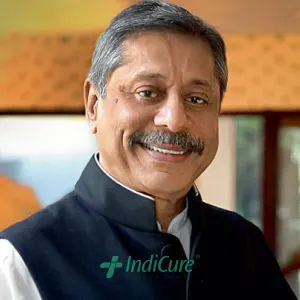
Dr. Naresh Trehan
Cardiac Surgeon
MBBS, Diplomate American Board
Gurgaon
With over 40 years of expertise, Dr. Naresh is considered one of the most successful cardiac surgeon in India, having conducted over 48000 cardiac procedures. He is also the founder of prestigious Escorts Heart Institute and Research Center and Chairman & Managing Director of Medanta, The Medicity.
Cardiomyoplasty, myocardial total arterial revascularization, transmyocardial laser revascularization, reduction ventriculoplasty (Batista Operation), heart port access surgery, aortic valve surgery, and robotically assisted cardiac surgery are among the cardiothoracic surgeries in which he specializes. Dr. Trehan also specializes in Cardiovascular Diseases and Cardiothoracic Surgery, such as thoracic surgeries for chest wall deformities, heart attacks, heart failure, and video-assisted minimally invasive cardiac surgery, among other procedures.
Diplomate in Surgery and Cardio-thoracic surgery in the United States
Dr. Naresh completed his medical education at King George’s Medical University in Lucknow in 1968, followed by Diplomate in Surgery and Cardio-thoracic surgery in the United States. In 2002, he was also awarded a Fellowship by the Royal Australasian College of Surgeons. Since 1991, he has been the President of India’s personal surgeon. Dr. Naresh Trehan has received numerous honors, including the Padma Shri, Padma Bhushan, and Lal Bahadur Shastri National Award, among others.
Fellowship by the Royal Australasian College of Surgeons
Padma Shri, Padma Bhushan, and Lal Bahadur Shastri National Award, among others
Former president of the International Society for Minimally Invasive Cardiac Surgery (ISMICS) in the United States, as well as a member of important organizations such as the Society of Thoracic Surgeons in the United States and the European Association for Cardio-thoracic Surgery, to mention a few.
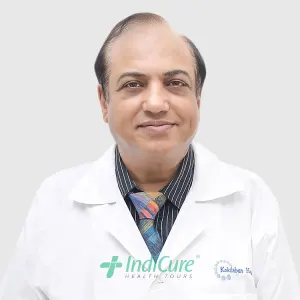
Dr. Nandkishore Kapadia
Cardiac Surgeon
MBBS, MS, MCh, Fellowships
Mumbai
Dr. Nandkishore Kapadia is regarded as one of India’s most prestigious cardiothoracic surgeons. He has over 28 years of expertise and has conducted over 5000 cardiovascular surgeries. Dr. Kapadia has performed over 10,000 CABG surgeries and 5000 additional open heart procedures, 500 minimally invasive cardiac treatments, 190 heart and lung transplants, and 150 ECMO and VAD implantations.
Dr. Kapadia earned his MBBS and MS degrees from the prestigious MGM Medical College in Indore. He then completed his Mch (Cardiovascular Surgery) at Vellore’s reputed Christian Medical College. Dr. Kapadia has completed Fellowships in Coronary Bypass Surgery & Heart Transplant, Valve Surgery, Heart Transplant, and Adult Cardiac Surgery and Heart Transplant in France and the United States, respectively.
conducted over 5000 cardiovascular surgeries. Dr. Kapadia has performed over 10,000 CABG surgeries and 5000 additional open heart procedures, 500 minimally invasive cardiac treatments, 190 heart and lung transplants, and 150 ECMO and VAD implantations.
Dr. Kapadia has received the coveted Mayor choix de Chirurgien award from the Mayor of Paris, as well as a special recognition from the Mayor of Philadelphia.Many innovative techniques and hybrid cardiac procedures have been developed by him, as well as adjusted immunosuppression protocols to suit Indian heart and lung transplant candidates. Request Consultation
Dr. Kapadia has received the coveted Mayor choix de Chirurgien award from the Mayor of Paris, as well as a special recognition from the Mayor of Philadelphia
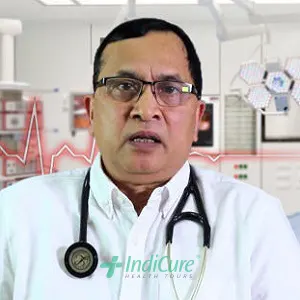
Dr. Bhabha Nanda Das
Cardiac Surgeon
MBBS, MS, MCh, Fellowships
New Delhi
Dr. BN Das is a well-known and well-respected cardiothoracic surgeon in Delhi. With more than 36 years of expertise, he has conducted over 20,000 heart procedures to date. Dr. Das received his MBBS, MS, and McH degrees from some of Delhi’s most prestigious institutions. Following that, he was awarded a Fellowship by the World Health Organization.
CABG on a beating heart, Aortic Aneurysm Surgery, Double Valve Replacement/Mitral Valve Replacement/Aortic Valve Replacement, All Types of Congenital Anomalies, and Intra Cardiac Repair are among Dr B N Das’s specialties.
With more than 36 years of expertise, he has conducted over 20,000 heart procedures to date
a Fellowship by the World Health Organization
Best Cancer Hospitals in India
These are our top cancer hospitals in India, ensuring you receive the healthcare you deserve.
Max Super Speciality Hospital, Gurgaon
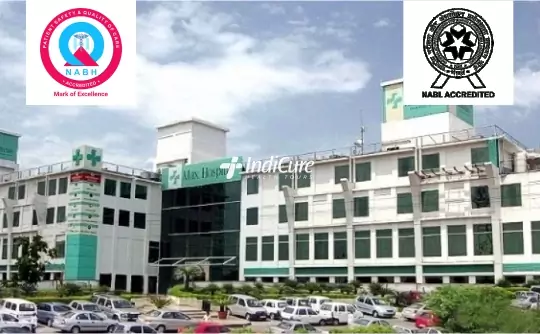
Location: Gurgaon
Speciality: Multi-Superspeciality
Accreditation: Accreditation : Joint Commission International (JCI, USA), National Accreditation Board for Hospitals & Healthcare Providers (NABH), National Accreditation Board for Testing and Calibration Laboratories (NABL)
No. of Beds: Beds : 100
Max Healthcare first opened its doors in 2001. Max Super Specialty Hospital in Gurgaon, which received the Express Healthcare Awards for Excellence in Healthcare in 2007, is a multi-specialty, tertiary care facility that offers centres of excellence in Gastroenterology, IVF, Aesthetic & Reconstructive Surgery, Pulmonology, Cardiac Surgery (CTVS), Endocrinology & Endocrine Surgery, Nephrology, Neurosciences, Internal Medicine, and Obstetrics. The hospital has prestigious NABH accreditation and NABL accreditation for its laboratories. https://www.meditrawell.com/best-gastroenterology-treatment-india/ https://www.MediTraWell.com/ivf-treatment-india/ Gastroenterology IVF
Sujay Hospital, Juhu
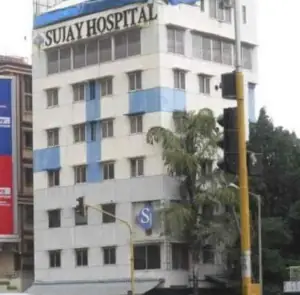
Location: Mumbai
Speciality: Multi-Superspeciality
Accreditation: Accreditation : National Accreditation Board for Hospitals & Healthcare Providers (NABH)
No. of Beds: Beds : 50
Sujay Hospital, located in the Juhu area of Mumbai, offers multiple medical specialties. It holds the prestigious NABH Certification. The hospital began its journey in April 2005, and over the course of the last 15 years, has successfully treated nearly 50,000 patients, ensuring their utmost satisfaction. The hospital is known for housing best surgeons and most experienced Physicians. By combining excellent care with a state-of-the-art facility, the hospital strives to provide quality health care. The hospital is a 50 bedded facility with 8 ICUs.
What is TAVI (Transcatheter Aortic Valve Implantation)/TAVR (Transcatheter Aortic Valve Replacement)?
Transcatheter aortic valve implantation (TAVI) or Transcatheter aortic valve Replacement (TAVR) is a minimally invasive heart procedure to replace a narrowed aortic valve that fails to open properly (aortic valve stenosis). The procedure replaces/implants the aortic valve with a catheter.
Between the left lower heart chamber (left ventricle) and the body’s main artery is the aortic valve (aorta). Blood flow from the heart to the body is reduced if the valve does not open properly. TAVI can help persons with severe aortic valve stenosis alleviate their symptoms and enhance their chances of survival.
The TAVI procedure is performed using one of two approaches, allowing the cardiologist or surgeon to choose which one provides the best and safest way to access the valve:
- Entering through the femoral artery (large artery in the groin), called the transfemoral approach, which does not require a surgical incision in the chest, or
- Using a minimally invasive surgical approach with a small incision in the chest and entering through a large artery in the chest or through the tip of the left ventricle (the apex), which is known as the transapical approach.
When is TAVI / TAVR required?
TAVI may be an option for people who are at intermediate or high risk of complications from surgical aortic valve replacement (open-heart surgery). The decision to treat aortic stenosis with TAVI is made after you consult with a team of heart and heart surgery specialists, who work together to determine the best treatment option for you. TAVR patients often spend less time in the hospital than those who get surgical aortic valve replacement.
If you have any of the following conditions, your doctor may consider TAVR:
- Aortic stenosis with severe signs and symptoms.
- A biological tissue aortic valve that isn’t functioning properly.
- Another health problem that renders open-heart valve replacement surgery too dangerous, such as lung or kidney disease.
How is the TAVI Procedure done?
Step 1
The patient receives sedation or general anesthesia during the TAVI procedure. The surgeon may access your heart through a blood vessel in your leg or through a tiny incision in your chest.
Step 2
A hollow tube (catheter) is inserted through the access point. The surgeon uses advanced imaging techniques to guide the catheter through your blood vessels, to your heart and into your aortic valve.
Step 3
Once the new valve is positioned, a balloon on the catheter’s tip is inflated to expand the replacement valve into the appropriate position. When it is certain the valve is securely in place, the catheter is removed.
What is the Recovery After the TAVI Procedure Like?
You will spend one or two days in the Intensive Care Unit (ICU) after TAVI and around 4-5 days in the hospital room before you are discharged from the hospital. Your doctor may prescribe blood thinners and antibiotics to you, which should be taken without fail.
Cardiac Rehabilitation may be scheduled while you are in the hospital. Many people begin feeling better immediately after their procedure; however, it may take weeks before feeling fully recovered.
What Results Can I Expect from the TAVI Procedure?
TAVI (transcatheter aortic valve implantation) may enhance your overall health and quality of life by relieving the signs and symptoms of aortic valve stenosis. TAVI can also help people live longer.
It is critical to maintain a heart-healthy lifestyle as you recover and to help prevent further heart problems.
Following TAVR:
- Do not smoke.
- Consume a healthy diet that is high in fruits and vegetables and low in salt (sodium), saturated fats, and trans fats.
- Regular exercise is important; however, before beginning a new fitness plan, see your doctor.
- Maintain a healthy body mass index (BMI).
Questions you must ask
Here is a set of questions you should consider asking before commencing your journey for TAVI Procedure in India.
- Is the heart surgeon board certified?
- How experienced is the Surgeon?
- Which language does the surgeon speak?
- Is the treatment done in a well-equipped facility?
- What treatment option is recommended for me?
- What about the risks involved?
- Does the surgeon use a certified anesthetist?
- How long will the recovery period be?
Be ready to respond about:
Prepare to answer questions about your:
- Medical history and exams
- Previous surgeries
- Current medication review
- History of smoking, drugs, or alcohol