

Gallbladder Surgery Cost in India
Last updated: April 25, 2026
Starting from USD 2,000
Gallbladder Surgery Cost in India starts from US $2,000 and varies depending on the technique used, your medical history and health condition, surgeon, hospital and the city where you choose to get the surgery done.
INCLUDES
- Surgery
- Stay at the Hospital
- Pre-operative Investigations
- Medicines, Consumables
- Food at the hospital
- Airport Transfers
- MediTraWell assistance
DOES NOT INCLUDE
- Accommodation outside the Hospital
- Air tickets
- Medical Visa fee
STAY REQUIRED
- Stay at the Hospital - 1 to 2 days
- Stay at the Hotel - 7 to 8 days
- Stay in India - 8 to 10 days
Whether you choose one visit for your Gastroenterology tourism in India or would require to visit again, IndiCure will make sure your trip is seamless and hassle-free. Our team of dental clinics and dental surgeons offer nothing but the best in class care using the top notch technology. We vow to be with you every step of the way practicing our old age Indian custom of Atithi Devo Bhava! (the guest is God)
Factors that affect the gallbladder surgery cost in India:
- Type of Surgical Approach
The most important factor that affects gallbladder surgery is the technique used to perform the surgery. So, wthere you need an open surgery or a Laparoscopic gallbladder removal surgery determine the overall cost. For example, while cholecystectomy cost starts from US $2000 in India, the Laparoscopic gallbladder surgery cost in India may start from US$2900.
- Gastrointestinal Surgeon’s Fees
An important expense when it comes to your gall bladder stone operation is going to be your gastrointestinal surgeon’s fees. IndiCure recommends only experienced, skilled, board-certified surgeons who are capable of delivering successful gallbladder removal operations. The charges may vary depending on the experience of the surgeon, popularity, and the approach to treatment.
- Surgical Facility
Having your gallbladder stone operation in an accredited surgical facility by skilled and qualified medical staff is a critical factor. Moreover, the geographical location of this facility also affects the quote. But, IndiCure provides you with a projected estimate that will be all inclusive and affordable.
- Surgery-Related Expenses
The surgery-related expenses include the pre- and post-surgical expenses. The pre-surgical expenses are associated with the candidacy and the medical history of the patient. This also includes the routine medical exams and tests to ensure you’re a good fit for the surgery. Post-surgical expenses may include prescription medications and follow-up consultations.
We at MediTraWell, understand that you travel with a budget in mind and do not like to be greeted by surprises after arrival in India. We thus club all these expenses and give you a package cost that is inclusive and affordable at the same time.
Your case manager shall give you an estimated cost of your surgery after discussing your medical reports with the surgeon. The final cost, however, shall be confirmed after your consultation with the surgeon.
Medi Trawell Services
Making Medical Travel to India Affordable & Hassle-free for 15+ Years

We Help you Choose the Right Treatment, Surgeon & Hospital

We Arrange Video/Telephonic Consultation with the Surgeon

We Assist you with Visa & Accommodation

We Receive you at the Airport and Drop you at Hotel/Hospital

We Assist you the at Hospital & Provide Post Operative Support
Our services are FREE for our patients.
In fact, we have Special Negotiated Rates with the Hospitals and you can avail Discounted Rates when you choose to Travel with MediTrawell. Container
Best Gastroenterologists in India

Dr. Vinay Dhir
Medical Gastroenterologist
MBBS, MD, DNB, Fellowships
Mumbai
Dr. Vinay Dhir is a skilled medical gastroenterologist in India with nearly 32 years of expertise in the field. He is an esteemed participant in a number of associations, including the Indian Society of Gastroenterology and the Society of Gastrointestinal Endoscopy of India. He is also a member of the American Society of Gastrointestinal Endoscopy.
He is also a member of the American Society of Gastrointestinal Endoscopy
After completing his MBBS, he went on to complete his DNB in gastroenterology at the prestigious Tata Memorial Hospital and his MD in internal medicine at MGM Medical College in Indore. Additionally, Dr. Dhir has training in Endo-Sonography from the Academic Medical Centre in Amsterdam and a Fellowship in Therapeutic ERCP from the European Gastro Surgical School in Amsterdam.
He has received numerous honors in the field of gastroenterology (endoscopy), including the ASGE Audiovisual Award (2015) and the Digestive Endoscopy Best Reviewer Award (2012).
Additionally, Dr. Dhir has training in Endo-Sonography from the Academic Medical Centre in Amsterdam and a Fellowship in Therapeutic ERCP from the European Gastro Surgical School in Amsterdam
In addition to serving as teaching for numerous worldwide interventional endoscopy courses, he has several highly referenced works in indexed international journals.
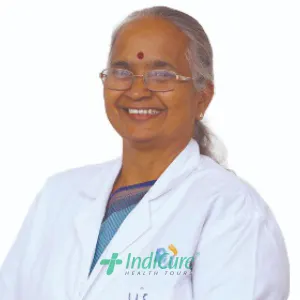
Dr. Usha Srinivas
Medical Gastroenterologist
MBBS, MD, DM
Chennai
Dr. Usha Srinivas is an acclaimed gastroenterologist in India who has been in practice for more than 28 years.
After earning her MBBS in 1978, she went on to pursue a DM in gastroenterology from TNMGRMU in 1993 and an MD in general medicine from Madras University in 1982.
Steatosis, ERCP, treating liver disease, and pancreas transplantation are among her areas of competence. She participates actively in both the IMA and the Tamil Nadu Medical Council.

Dr. Satish G Kulkarni
Medical Gastroenterologist
MBBS, MD, DNB
Mumbai
Counted among the top medical gastroenterologists in India, Dr. Satish G. Kulkarni has more than 28 years of experience in the field of gastroenterology.
Since 2010, he has also been an international member of the American Association for the Study of Liver Disease and the American Society of Gastrointestinal Endoscopy
He has been a Life Member of the Indian Society of Gastroenterology, the Association of Physicians of India, the Society of Gastrointestinal Endoscopy of India, the Indian Association for Study of Liver, and the Society of Gastrointestinal Endoscopy of India. Since 2010, he has also been an international member of the American Association for the Study of Liver Disease and the American Society of Gastrointestinal Endoscopy.
Prestigious honors bestowed upon him include The Prince of Wales Gold Medal, Dr. Chunibhai Shankarbhai Patel Gold Medal, The Rani Jagdamba Devi & Dr. JK Mehta Prize, The Dr. Latif Patel Prize, The Dr. Ardeshir Koyaji Contractor Book Prize besides many more. Dr. Kulkarni has also published a number of clinically-focused studies in both national and international journals.
The Prince of Wales Gold Medal, Dr. Chunibhai Shankarbhai Patel Gold Medal, The Rani Jagdamba Devi & Dr. JK Mehta Prize, The Dr. Latif Patel Prize, The Dr. Ardeshir Koyaji Contractor Book
Best Gastroenterology Hospitals in India
Max Super Speciality Hospital, Patparganj
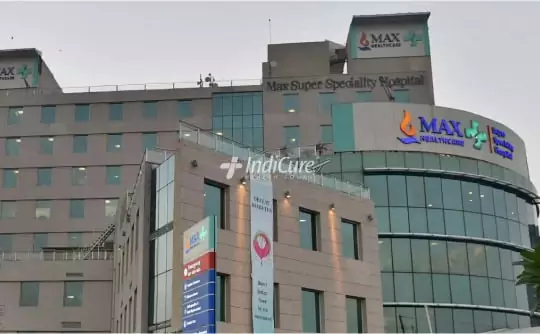
Location: Delhi
Speciality: Multi-Superspeciality
Accreditation: Accreditation : National Accreditation Board for Hospitals & Healthcare Providers (NABH), National Accreditation Board for Testing and Calibration Laboratories (NABL)
No. of Beds: Beds : 147
In 2005, the Max Super Specialty Hospital in Patparganj opened its doors. Max Healthcare is the first hospital in India to be recognized by HIMSS at the ‘Stage 6’ level. The hospital received the Healthcare Prize for Operational Excellence in Environmental Conservation from the FICCI. The hospital received the Healthcare Prize for Operational Excellence in Environmental Conservation from the FICCI. The hospital is ISO 9001:2000 certified and its laboratories have received NABH and NABL accreditation. https://www.MediTraWell.com/dental-tourism-india/ Dental Care Aesthetic and Reconstructive Surgery, ENT, Dental Care, Cancer Care, Neurosciences, Cardiac Surgery, Orthopedics, and many other specialties are available at the hospital. The Pacemaker Clinic, Pain Clinic, Arrhythmia & Electrophysiology Clinic, Diabesity Clinic, and Headache Clinic are all specialty clinics.
Max Superspeciality Hospital, Shalimar Bagh, Delhi
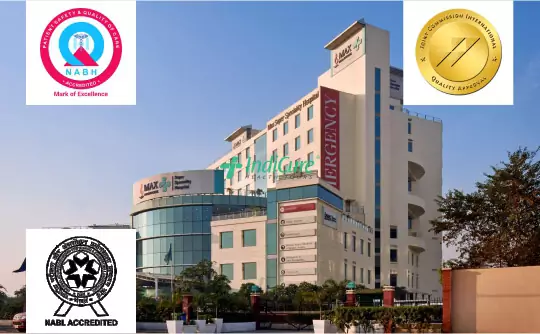
Location: Delhi
Speciality: Multi-Superspeciality
Accreditation: Accreditation : National Accreditation Board for Hospitals & Healthcare Providers (NABH), National Accreditation Board for Testing and Calibration Laboratories (NABL)
No. of Beds: Beds : 300
Max hospital, Shalimar Bagh is a tertiary care centre equipped with state-of-the-art technology to provide a comprehensive cardiac care program to its patients. This best heart hospital in India offers innovative treatments for end-stage heart failure patients, including procedures such as Pacemaker placement, ACD (Automated Cardiac Defibrillator) implantation, CRT (Cardiac Resynchronization Therapy), as well as corrective surgeries for heart defects (ASD, VSD, PDA) in both pediatric and adult patients. The institute serves as a one-stop destination for a wide range of cardiac treatments, encompassing Invasive and Interventional Cardiology, Electrophysiology, pacemaker and Arrhythmia services, as well as the management of abdominal and descending thoracic aneurysms and varicose veins.
GallStones and Gallbladder Removal
Gallbladder is the small pear-shaped sac-like organ present under the liver that collects the bile (digestive juice) manufactured by the liver. This bile is then released from the gall bladder as and when required which helps in breakdown of the dietary fats thus assisting in digestion.
Gallbladder stones are the most common problem of the digestive system and affect a large percentage of the population. Around 15% of the people above the age 50 years are known to suffer from gallbladder stones. More common in females and overweight individuals, gallstones are the small biliary calculi that are formed by cholesterol, bile pigments or calcium salts. Gallstones are formed when there is excessive cholesterol in the bile, the crystallization of which results in incomplete emptying of the gallbladder.
Most often, gallstones do not cause any symptoms and go unnoticed. However, if they do, the common symptoms include:
- Jaundice
- Severe abdominal and back pain
- Fever, vomiting, indigestion
- Abdominal pain usually after eating fatty meals
However, complications like blocking of the duct due to large stones, infections or pancreatitis may need quick treatment and surgery.
Gall bladder stones are easy to diagnose. The doctor may look for jaundice and get the blood tests done. Ultrasound is a convenient and quick way to get the gallstones detected. There are other complicated tests like ERCP if the doctor suspects stones in the bile duct.
Causes of Gallstones:
The exact cause of developing gallstones is uncertain. However, gallstones may be formed due to one of the following reasons:
- Alterations in the bile components
- Failure of the gallbladder to empty completely
- Excessive production of cholesterol in the liver which results in cholesterol crystals formation that ultimately grows into gallstones.
Gall Bladder Removal Surgery (Cholecystectomy)
A cholecystectomy is a surgical surgery that removes your gallbladder. A cholecystectomy is a fairly common procedure that has a low chance of complications. You can usually return home the same day as your cholecystectomy.
The procedure can be done either through open surgery or laparoscopically.
During laparoscopic cholecystectomy, a tiny video camera and special surgical equipment are inserted through four small incisions into your belly to see into your abdomen and remove the gallbladder.
In some circumstances, the gallbladder can be removed by a single big incision. The procedure is known as an open cholecystectomy.
When is Cholecystectomy needed?
If you are diagnosed with gallstones and suffering from severe pain, if the size of the stones is more than 1 cm, or if your gallbladder is inflamed causing cholecystitis and is impairing your day to day life, you may require surgical intervention to remove the gallbladder (cholecystectomy).
Your doctor may also recommend a cholecystectomy (gallbladder removal) if you have:
- Gallstones in the bile duct (choledocholithiasis)
- Gallbladder inflammation (cholecystitis)
- Large gallbladder polyps
- Pancreas inflammation (pancreatitis) due to gallstones
Gallstones Treatment Options
The gallstones can be symptomatic or asymptomatic. Asymptomatic gallstones, or the gallstones which do not cause any symptoms, do not need any medical intervention. But the surgeons would advise you to remove the gallbladder if you are prone to develop complications of gallstones.
Following are the treatment options that highly depend on the size and site of the stones:
- Medication: It is rarely advised in treatment mode, in which medicines are given to dissolve the stones. It has side effects and low success rates.
- Dietary modifications:This includes reducing and excluding the intake of fatty foods and dairy products which can help prevent the symptoms.
- Lithotripsy: This is done in a small number of cases in which the patients have small and soft stones. The sound waves produced by the lithotripsy machine are used to break the gall stones, which are then either removed through intervention or are excreted out of the body naturally.
- Surgical intervention: This is the most widely adopted intervention in which either the entire gallbladder or only the gall stones from the bile duct are removed using different techniques. A gall bladder is not a vital organ, so one can manage and live a normal life without having it. The surgery is medically known as cholecystectomy.
The surgical interventions for removal of gallbladder include:
- Laparoscopic Cholecystectomy: This the minimally invasive surgery (keyhole surgery) in which the surgeon makes small incision on the skin and with the help of guided camera, gall bladder is located and using the specialized surgical tool, gallbladder is removed through one of the incisions.
- Open surgery: It is commonly referred to as laparotomy. Open surgery is indicated in individuals who already have undergone previous abdominal surgery or who have bleeding disorder. In this, the gallbladder is removed by making wider incisions in the abdomen, through which the gallbladder is removed.
Questions to Ask
We at IndiCure completely understand your concerns and it is always our endeavor to provide the best outcome for every patient. Following is the list of questions you must ask before you embark on your journey for gallbladder removal surgery in India.
- Is it time for a gallbladder removal surgery?
- Is the gastrointestinal surgeon board certified?
- How experienced is the Surgeon?
- Which language does the surgeon speak?
- Is the treatment done in a well-equipped facility?
- What treatment option is recommended for me?
- What about the risks involved?
- Does the surgeon use a certified anesthetist?
- How long will the recovery period be?
Preparation for the Surgery
Prepare to answer questions about your:
- Medical history and exams
- Previous surgeries
- Current medication review
- History of smoking, drugs, or alcohol
How is Gallbladder Removal Surgery done?
There are two main ways of performing gallbladder removal surgery (cholecystectomy):
Laparoscopic Cholecystectomy:
Step 1: The surgeon begins by making a few small incisions of about 0.5-1 cm in the skin of your abdomen to let the surgical instruments reach the abdominal cavity. Then a tube is inserted which blows a mild stream of CO2 which aids in separation of the abdominal wall from the underlying organs.
Step 2: Also, the small camera which is attached to the laparoscope is put inside through one of the incisions for the surgeon to see the gallbladder on the monitor. Specialized X-rays called cholangiograms might be used to look for the wedges of the gall stones in the duct.
Step 3: Then the biliary ducts and the artery supplying blood to the gallbladder are clipped and the gall bladder is cut using either laser or electrocautery which is then pulled out of the body via one of the small incisions in the abdomen. The instruments are then removed from the abdomen and incisions are sutures and dressed.
Open Gallbladder Surgery:
The entire procedure for open surgery is the same as the laparoscopic cholecystectomy except the fact that the surgeon removes the gallbladder by making a single and large incision in the abdominal wall.
Both the procedures are done under general anesthesia, which means you will be asleep during the procedure and will not feel any pain.
What is the Recovery after Gallbladder Removal Surgery Like?
You can expect progressive recovery following the surgery. You get discharged from the hospital and go home the next day after the laparoscopic surgery while open surgery requires admission for 3-4 days. Most of the patients after laparoscopic surgery can resume their daily activities within a week’s time. However, patients undergoing open surgery might need around 2-4 weeks to resume their routine activities.
What Results Can I Expect from Gallbladder Surgery?
Laparoscopic gallbladder surgery is quite safe and effective and gets rid of the gallstones located in the gallbladder. The results of the surgery are permanent and you would be relieved of pain you had before the surgery.
After a cholecystectomy, the majority of people will not have any digestive issues. The gallbladder isn’t required for proper digestion. Following the operation, some people may experience occasional loose stool, which usually goes away with time. Any changes in your bowel habits or new symptoms after your procedure should be discussed with your doctor.