
Lung Cancer Treatment Cost in India
Last updated: April 19, 2026
The total cost for lung cancer treatment in India generally includes several components. Here’s a breakdown of expenses that you can expect:
| Procedure | Cost (Range in US $) |
|---|---|
| Investigations | 500-1,000 |
| Chemotherapy | 300-2,000 per cycle |
| Radiotherapy | 3,500-5,500 |
| Surgery | |
| Wedge Resection | 2,500 |
| Lobectomy | 4,000 |
| Pneumonectomy | 5,000 |
The lung cancer treatment cost in India varies based on several factors, including the type of treatment required, your specific medical condition, the hospital, and the city where you receive care. Depending on your diagnosis, you may need surgery, chemotherapy, or both, or a combination of chemotherapy, radiotherapy, and surgery. As a result, the total cost will fluctuate based on the treatment plan tailored to your needs.
The cost quoted above in the cost table is indicative and should not be taken as the final cost of the lung cancer treatment cost in India. The final cost can be ascertained after the oncologist has evaluated the patient. The cost in Indian Rupees can vary based on the exchange rate.
With end to end services for your hassle-free Cancer Treatment in India, MediTraWell has made the entire process of seeking medical tourism in India easy and hassle free for you besides making it affordable.
Factors that Affect Uterus Cancer Treatment Cost in India:
- Oncologist’s Fees An important expense when it comes to your cancer treatment is going to be your oncologist’s fees. MediTraWell recommends highly experienced, skilled, board-certified doctors who can deliver successful surgeries. Although the cost may vary depending on the experience of the surgeon, you can be assured that you are in safe and skilled hands when you choose cancer treatment in India with MediTraWell.
- Type of Treatment Required Many times, the best option might include more than one type of treatment. Surgery alone or with other treatments is used to treat most cancers. The cost associated with each type of treatment is different. MediTraWell recommends you understand the options by getting your details evaluated by our expert doctors.
- Number of Chemotherapy and Radiation Cycles The overall cancer treatment cost depends on the number of chemotherapy or radiation therapy cycles that a patient must undergo. In some patients, the doctors might advise giving more than a couple of cycles of chemotherapy or radiation therapy to kill the cancerous cells.
- Surgical Facility Having your treatment for cancer in an accredited surgical facility by skilled and qualified medical staff is a critical factor. Moreover, the geographical location of this facility in India also affects the treatment cost. But, MediTraWell provides you with a projected estimate that will be all-inclusive and affordable.
- Pre and Post Treatment Expenses The pre-surgical/treatment expenses are associated with the stage of the cancer and medical condition of the patient and thus the number and type of investigations and treatment required. Post-treatment expenses may include prescription medications and follow-up consultations.
We Customize the Lung Cancer Treatment Quote to Suit Your Preferences
At MediTraWell, we consolidate most of the expenses for your uterus cancer treatment in India to provide you with an inclusive and cost-effective package tailored to your budget and individual requirements. After receiving medical reports, your case manager will provide an estimated cost based on a discussion with the oncologist.
The final uterus cancer treatment cost in India can however be confirmed after your face-to-face consultation with the oncologist.
We at MediTraWell, understand that you travel with a budget in mind and do not like to be greeted by surprises after arrival in India. We thus club all these expenses and give you a package cost that is inclusive and affordable at the same time.
Your case manager shall give you an estimated cost of your surgery after discussing your medical reports with the surgeon. The final cost, however, shall be confirmed after your consultation with the surgeon.
Medi Trawell Services
Making Medical Travel to India Affordable & Hassle-free for 15+ Years

We Help you Choose the Right Treatment, Surgeon & Hospital

We Arrange Video/Telephonic Consultation with the Surgeon

We Assist you with Visa & Accommodation

We Receive you at the Airport and Drop you at Hotel/Hospital

We Assist you the at Hospital & Provide Post Operative Support
Our services are FREE for our patients.
In fact, we have Special Negotiated Rates with the Hospitals and you can avail Discounted Rates when you choose to Travel with MediTrawell. Container
Cancer Treatments We Offer
Here is a compilation of the cancer treatment options we provide in India.
- Leukemia
- Multiple Myeloma
- Aplastic Anemia
- Osteosarcoma
- Squamous Cell Carcinoma
- Pancreatic Cancer
- Eye Cancer
- Bladder Cancer
- Cervical Cancer
- Penile Cancer
- Endometrial Cancer
- Skin Cancer
- Bone Cancer
- Esophagus Cancer
- Kidney Cancer
- Testicular Cancer
- Breast Cancer
- Lung Cancer
- Ovarian Cancer
- Gallbladder Cancer
- Thyroid Cancer
- Colon Cancer
- Prostate Cancer
- Blood Cancer
Best Oncologists in India
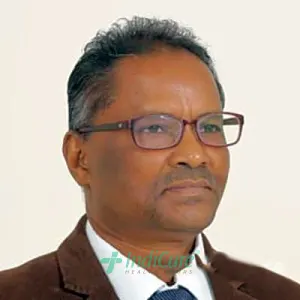
Dr. K R Gopi
Medical Oncologist
MBBS, MD, DNB
Chennai
Dr. K R Gopi is an extensively trained and skilled medical oncologist in India with rich professional experience spanning over 30 years. Having worked for over 15 years in a few of the leading medical facilities both in India and UK has further added to his expertise in this discipline.
He is currently empanelled with Global Hospital in Chennai as a Senior Consultant in the Department of Medical Oncology. He has expertise in Haemato-oncology, Medical Oncology, and Palliative Medicine.
His areas of expertise include Haemato-oncology, Palliative medicine, Chemotherapy, management of all types of malignancies, Elderly/Frail patient management in Oncology.
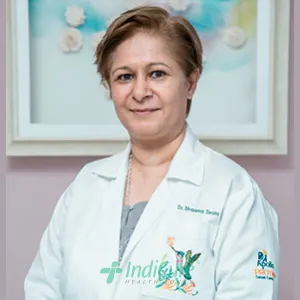
Dr. Bhawna Sirohi
Medical Oncologist
MBBS, DCH, FRCP,
Chennai
Dr. Bhawna Sirohi is a renowned Medical Oncologist in India with more than 25 years of experience in the field of Oncology. She is a well-known senior consultant who specializes in treating Breast cancers and Gastrointestinal cancers all over the world.
Dr. Bhawna has collaborated with some of the world’s best oncology centers and oncologists. She is presently working with Apollo Proton Cancer Center as the Lead – Medical Oncologist. Dr. Sirohi is also an honorary consultant at London’s Queen Mary’s University and has over 100 publications published in national and international journals.
She is the President of Royal Society of Medicine’s and the Chairman of the ICMR Task Force for Cancer Guidelines on Colorectal Cancer, NET, HCC, Pancreatic cancer, and Esophageal cancer, and an advisor to the NCI-AIIMS committee.

Dr. Vinod Raina
Medical Oncologist
MBBS, MD, MRCP, FRCP
Gurgaon
Dr. Vinod Raina is one of the foremost medical oncologist and haematologist in India. He has rich and extensive experience of more than three decades and has over 600 transplants- under his belt for various cancers which is the largest number in India in the last 20 years. He also has to his credit the first high dose chemotherapy and peripheral blood stem cell transplant in India.
He also has to his credit the first high dose chemotherapy and peripheral blood stem cell transplant in India
Concurrent Bio-Radiotherapy for Head and Neck Cancers, Hematology, Medical oncology, high dose chemotherapy, peripheral blood stem cell transplant are the areas of his expertise. Concurrent Bio-Radiotherapy, Pediatric Chemotherapy, and Palliative Bio-Radiotherapy are some of his special interests.
Best Cancer Hospitals in India
These are our top cancer hospitals in India, ensuring you receive the healthcare you deserve.
Manipal Hospital, (Formerly Columbia Asia Hospital), Yeshwanthpur, Bangalore
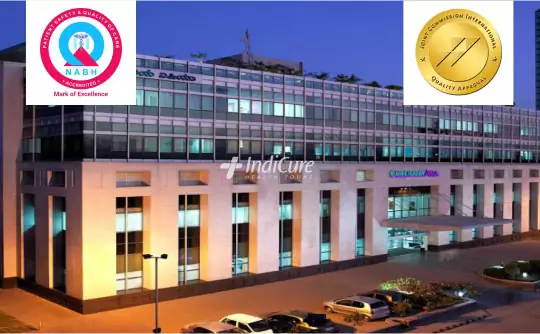
Location: Bangalore
Speciality: Multi-Superspeciality
Accreditation: Accreditation : JCI, NABH
No. of Beds: Beds : 250
Columbia Asia, Yeshwanthpur is a NABH accredited super-specialty hospital located in upmarket Yeshwanthpur in Bangalore. It started its operations in July 2008. It is a multi super-specialty hospital located in upmarket Yeshwanthpur in Bangalore. It is the flagship hospital of the group and is both JCI and NABH accredited. Having started its operations in 2008, the hospital has already made its mark to be listed among the top hospitals in India. Columbia Asia Yeshwanthpur has the best in class infrastructure, backed by cutting-edge technology and a vast pool of skilled and experienced medical and support staff.
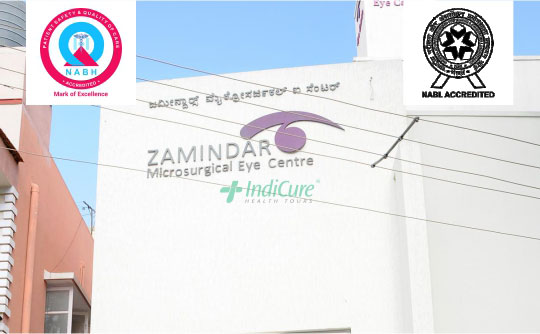
Zamindar’s Microsurgical Eye Hospital, Bangalore
Location: Bangalore
Speciality: Multi-Superspeciality
Loading...
No. of Beds: Accreditation : NABH
Zamindar’s Microsurgical Eye Centre (ZMEC), which was founded in 1997, has been offering high-quality eye care to patients in and around Bangalore for the past 25 years. Their patients vouch for their services, and they are highly regarded for offering best-in-class eye treatment. The motto of Dr. Zamindar’s Microsurgical Eye Centre is ‘Quality is not an accident, but the outcome of deliberate efforts.’ The hospital has been a premium supplier of best-in-class eye care services since 1997, making them one of The Top Eye Hospitals in Bangalore, with a success rate of 99.9% in performing cataract procedures.
Lung Cancer Treatment in India
Cancer happens when the cells in a part of the body grow abnormally faster and in an uncontrolled manner due to mutation in the DNA of the cells. Similarly cancer in the lungs happens when the cancer cells invade the lungs and destroy the healthy cells of the lungs thereby hindering the normal functions of the lung. Cancer in the lungs may take several years to develop.
At times, these cancer cells may spread to affect other parts of the body through metastasis. Lung cancer often goes unnoticed in the early stages as it hardly produces any symptoms. Advanced cancer may show symptoms like blood in the cough, persistent cough, chest pain, hoarseness in the voice, recurrent chest infection etc. There are two main types of lung cancer:
- Small cell lung cancer (SCLC):
Small cell lung cancer starts in the air tubes that advances to the bronchi and affects the lung tissue. It produces large tumors that can spread faster to other parts. This is usually seen in chronic and life time smokers. It has two subtypes:
- Small cell carcinoma (oat cell carcinoma) is most common.
- Combined cell carcinoma
- Non-small cell lung cancer (NSCLC):
Makes up 85% of all lung cancers which are slow-growing and larger and have the following types;
- Squamous cell carcinoma
- Adenocarcinoma
- Large cell carcinoma
The staging of lung cancer is essential in order to know the extent of the spread of the disease and make the treatment plan accordingly. The lung cancer is thus staged as:
- Localized: cancer is confined to the lungs
- Regional: cancer has spread to lymph nodes in the chest
- Distant: cancer has spread to other parts of the body.
Causes of Lung Cancer:
Following are the risk factors that are responsible for developing lung cancer.
- Age: It has been observed that lung cancer mostly affects older adults.
- Smoking: Tobacco smoking is the leading cause of lung cancer. Tobacco contains several chemicals like carbon monoxide that are carcinogenic in nature which immediately trigger changes in your lung tissue. The longer you smoke tobacco, more are the chances of getting lung cancer.
- Genetic inheritance: If any of your immediate family members have had lung cancer, then the risk is higher that you may acquire the disease.
- Exposure to carcinogens like asbestos, radon, arsenic, coal products, diesel exhaust, mustard gas, etc. is likely to trigger the development of lung cancer over a period.
- Past medical history of lung diseases like TB, COPD, chronic bronchitis, and emphysema.
- Exposure to ionizing radiation
Symptoms of Lung Cancer:
Lung cancer symptoms do not always appear until the disease has progressed. Some people, on the other hand, experience symptoms early on. These are some of them:
- Coughing that doesn’t seem to be getting better
- Hoarseness
- Blood in the phlegm or sputum
- Weakness
- Wheezing
- Infections that recur or don’t go away
- Coughing or laughing resulting in chest pain
Coughing, shortness of breath, chest pain, exhaustion, and/or unintended weight loss are all indicators of advanced lung cancer. Bone discomfort, headache, muscular weakness, and/or eyelid drooping are signs and symptoms indicating the cancer has spread to other parts of the body.
When is Lung Cancer Treatment Needed?
If you are suffering from any of the aforementioned symptoms mentioned above, you should see a doctor immediately who will advise you on various tests for the correct diagnosis. If you are diagnosed with lung cancer, the treatment should be started without any delay.
Lung Cancer Treatment Options in India
Treating lung cancer is very challenging. To regulate the survival rates, it is essential to know the stage of the disease. The treatment for lung cancer can either be curative in which the interventions are done to control the growth of the cancer, or it can be palliative, which aims to improve the quality of life by managing pain and associated symptoms.
- Surgery:
Surgery to treat lung cancer is considered the gold standard which is performed to excise the cancerous tumor and the surrounding lung tissue to cure the patients when the disease is particularly localized. Initially, only traditional open surgeries were performed for resection of the tumor. The recent advances in surgical procedures have made minimally invasive surgery the primary option for surgical resection of lung cancer. The following procedures are now being performed by the surgeons using VATS which is video-assisted thoracic surgery and robotic surgery as well.
- Wedge resection or segmental resection: done to remove only the small part of the diseased lung.
- Lobectomy: most commonly performed to remove the lobe of your lung if the cancer is extensive.
- Pneumonectomy: to remove the entire lung if the cancer has invaded all the lobes.
-
These procedures are done using minimally invasive VATS technology that involves the insertion of a thin tube that is attached to the thoracoscope (camera) and the specialized small surgical instruments to carry out the required surgery. The thoracoscope provides images on the monitor using which the surgeon removes the tissue with more ease and precision.
- Chemotherapy:
It comprises specialized drugs that destroy the growing cancer cells. The drug may be injected intravenously or can be taken orally in the form of pills.
- Radiation therapy:
This uses high-powered energy beams like X-rays or protons to kill the cancerous cells. It can either be used as a sole treatment or can be combined with chemotherapy with or without the surgery. Following radiation therapy, most of the patients are relieved from the pain, obstruction in the airways, shortness of breath etc. It can be done using,
- External radiation or
- Brachytherapy (internal radiation)
- Radiosurgery:
The innovation in radiation therapy is radiosurgery, which is used in very limited patients where tumors are small but undergoing surgery may prove harmful. In such cases, surgery is done using radiosurgery, in which high doses of radiation are focused precisely on targeted cells in the lungs to kill the cancer cells without harming the nearby tissues.
How is Lung Cancer Surgery done?
Surgery is indicated in most cases of lung cancer. Depending on the size, location and extent of spread of the tumor, either wedge/ segmental resection, lobectomy or Pneumonectomy procedure is performed to excise the tumor and tissues surrounding it. These procedures are now being performed using the minimally invasive VATS approach.

What are the Advantages of VATS or Minimally Invasive Surgery?
Following are the detailed advantages of VATS –
- Less Pain After the Operation: VATS involves smaller incisions compared to traditional open surgery, which means less trauma to the body. As a result, patients typically experience significantly less post-operative pain. This can lead to a reduced need for pain medications, allowing for a more comfortable and quicker recovery.
- Better Immune System Response: Since VATS is less invasive, it causes less disruption to the body’s systems. This means the immune response is less compromised compared to open surgery, allowing your body to focus on healing rather than managing the stress of large incisions or extensive tissue damage.
- Better Chance of Breathing Normally: Lung surgeries can affect your breathing capacity. However, with VATS, because of the smaller incisions and reduced trauma to the surrounding tissues, patients are more likely to regain normal lung function faster than with traditional surgery. This decreases the risk of complications like pneumonia or other respiratory issues post-surgery.
- Better Quality of Life: Minimally invasive surgery usually results in shorter hospital stays, quicker recovery times, and a faster return to daily activities. This translates to a better overall quality of life post-surgery, as patients can return to their normal routines sooner with fewer physical limitations or long-term side effects.
What Results Can I Expect from the Surgery?
One can experience improvement in quality of life after undergoing the treatment. Moreover, minimally invasive surgery helps patients lead a life with less pain after the surgery, better immunity, and a better chance of normal breathing and comparatively less time of recovery.
What is the Recovery after Lung Cancer Surgery like?
Recovery after the surgery to a large extent depends on the type of surgery performed. After a minimally invasive procedure, the patient can be discharged after 3-4 of the surgery and can resume work and normal activities within 4-5 weeks after the surgery.
Questions you must ask
Here is a set of questions you should consider asking before commencing your medical tour for lung cancer treatment in India.
- Is it time for lung cancer surgery?
- Is the oncologist board certified?
- How experienced is the surgeon?
- Which language does the surgeon speak?
- Is the treatment done in a well-equipped facility?
- What cancer treatment option is recommended for me?
- What about the risks involved?
- Does the surgeon use a certified anesthetist?
- How long will the recovery period be?
Be ready to respond about:
Prepare to answer questions about your:
- Medical history and exams
- Previous surgeries
- Current medication review
- History of smoking, drugs, or alcohol