

Mitral Valve Replacement Cost in India
Last updated: April 19, 2026
Starting from USD 14,000
INCLUDES
- FDA Approved Implant
- Surgery and Stay at the Hospital
- Pre-operative Investigations
- Medicines, Consumables & Food at the hospital
- Airport Transfers & MediTraWell assistance
DOES NOT INCLUDE
- Accommodation outside the Hospital
- Air tickets
- Medical Visa fee
STAY REQUIRED
- Stay at the Hospital - 1 to 2 days
- Stay at the Hotel - 7 to 8 days
- Stay in India - 8 to 10 days
With end to end services for your hassle-free Cancer Treatment in India, MediTraWell has made the entire process of seeking medical tourism in India easy and hassle free for you besides making it affordable.
Factors that Affect Mitral Valve Replacement Cost in India
- Type of Valve
The two main types of valves used for heart valve replacement are tissue valves and mechanical valves. Each type of valve comes with its unique characteristics, advantages, and considerations that influence not only the procedure but also the overall cost of procedure. The choice between these valves depends on several factors, including the patient’s age, lifestyle, medical history, and risk factors.
- Heart Surgeon’s Fees
A significant component of a Mitral Valve Replacement Cost in India is the heart surgeon’s fees. MediTraWell recommends highly experienced, skilled, board-certified heart surgeons who can deliver excellent results. While the charges may vary based on the surgeon’s experience, you can be confident that you are in safe and capable hands when opting for affordable heart surgery in India with MediTraWell Health Tours.
- Type of Surgical Approach
In the pursuit of enhancing efficiency of surgical procedure and patient care, the medical equipment manufacturers continually introduce new techniques and technologies into surgical procedures. These innovative advancements are designed to improve outcomes, reduce recovery times, and increase the overall effectiveness of the surgical interventions. While these advancements can significantly benefit patient care and efficiency of the procedure, they may also lead to a higher Mitral Valve Replacement cost in India.
- Your Choice of Surgical Facility
Selecting an accredited medical facility with skilled and qualified medical staff is essential for the success of the Mitral Valve Replacement in India. Larger cities in India generally provide superior medical facilities and more experienced heart surgeons, leading to higher costs. MediTraWell Health Tours recommends surgical facilities in these larger cities to prioritize quality of care and ensure safety of our overseas patient guests.
- Surgery-Related Expenses
The expenses related to mitral valve replacement surgery include the pre- and post-surgical expenses. The pre-surgical expenses depend on age and medical condition of the patient, requiring different number and type of investigations. The post-surgical expenses vary basis include prescription medications and extent of follow-up consultations required.
We Customize Mitral Valve Replacement in India Quote to Suit Your Preferences
At MediTraWell Health Tours, we consolidate most of the expenses for your Mitral Valve Replacement cost in India to provide you with an inclusive and cost-effective package tailored to your budget and individual requirements. After receiving medical reports, your case manager will provide an estimate on cost based on a discussion with the heart surgeon in India.
The final Mitral Valve Replacement cost in India can however be confirmed after your face-to-face consultation with the heart surgeon in India.
We at MediTraWell, understand that you travel with a budget in mind and do not like to be greeted by surprises after arrival in India. We thus club all these expenses and give you a package cost that is inclusive and affordable at the same time.
Your case manager shall give you an estimated cost of your surgery after discussing your medical reports with the surgeon. The final cost, however, shall be confirmed after your consultation with the surgeon.
Medi Trawell Services
Making Medical Travel to India Affordable & Hassle-free for 15+ Years

We Help you Choose the Right Treatment, Surgeon & Hospital

We Arrange Video/Telephonic Consultation with the Surgeon

We Assist you with Visa & Accommodation

We Receive you at the Airport and Drop you at Hotel/Hospital

We Assist you the at Hospital & Provide Post Operative Support
Our services are FREE for our patients.
In fact, we have Special Negotiated Rates with the Hospitals and you can avail Discounted Rates when you choose to Travel with MediTrawell. Container
Cardiac Procedures We Offer
Here is a compilation of the heart treatment options we provide in India.
- Holter Monitoring
- Alcohol Septal Ablation
- AICD
- Coronary Angiography
- Coronary Angioplasty (PTCA)
- Pacemaker Implantation
- Cardiac Bypass (Heart Bypass)
- ASD Device Closure
- Aortic Valve Replacement
- ASD Treatment
- VSD Treatment
- Cardiac Tumor Surgery
- EP Study
- Balloon Valvuloplasty
- Bentall Procedure
- Cardiac Ablation
- Minimally Invasive Heart Bypass
- Valve Replacement Surgery
- Pediatric Heart Surgery
- Robotic Heart Surgery
- Heart Transplant
- LVAD (Left Ventricular Assist Device)
- TAVR (Transcatheter Aortic Valve Replacement)
- Truncus Arteriosus Repair
Best cardiologist in India
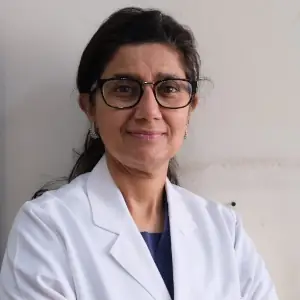
Dr Aparna Jaswal
Interventional Cardiologist
MBBS, MD, DNB, Training, Cardiac Electrophysiology at St. Luke's Hospital in Milwaukee, USA
Delhi
Dr. Aparna Jaswal is a highly recognized Cardiologist in India, specializing in EPS & RFA of complex arrhythmias, AICD implantation, and biventricular pacing.
She joined Fortis Escorts Heart Institute & Research Centre in New Delhi in 1998, and has been an integral part of the Department of Cardiac Electrophysiology since then. Dr. Jaswal regularly performs electrophysiological studies and radio frequency catheter ablation for various cardiac arrhythmias. She has received training in Cardiac Electrophysiology at St. Luke’s Hospital in Milwaukee, USA, and holds the ‘Certified Cardiac Device Specialist’ certification from IBHRE, HRS.
Dr. Jaswal is involved in numerous research projects and actively participates in national and international research trials. She is frequently invited as a faculty member to various national and international symposia and workshops. Notably, she initiated the EP program in Mauritius in November 2010. She also received a Fellowship from Heart Rhythm Society, USA in 2011.
https://www.meditrawell.com/eps-rfa-treatment-cost-in-india/
https://www.meditrawell.com/aicd-cost-india/
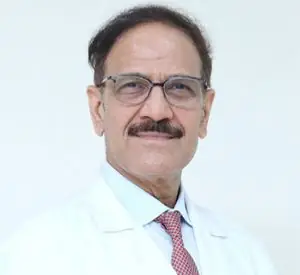
Dr Subhash Chandra
Interventional Cardiologist
MBBS, MD, DM, DNB, United States Medical Licensing Examination (USA) & PDF (Brussels, Belgium)
Delhi
Dr. Subash Chandra is a highly esteemed cardiologist in India. With over 25,000 complex cardiology procedures successfully performed, he has been honoured with numerous national and international awards.
With over 25,000 complex cardiology procedures successfully performed
He is currently working as the Chairman in Interventional Cardiology at BLK-Max Super Speciality Hospital, New Delhi and has previously worked at most of the renowned cardiac hospitals in India. He has had a long working stint as Director & Senior Consultant, Fortis Escorts Heart Institute, New Delh; Director – Narinder Mohan Heart Centre and Senior Consultant at Indraprastha Apollo Hospital, New Delhi.
Dr Chandra has received extensive training in the field of cardiology and has been a fellow in interventional cardiology at Rouen, France; Fellow CRT course at Crossings Brussels, Belgium and Fellow of Carotid Interventions again at Crossings, Brussels, Belgium.
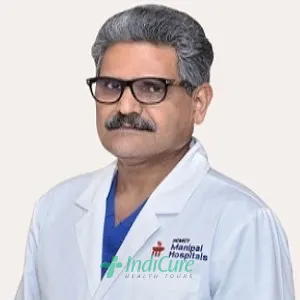
Dr. Y K Mishra
Cardiac Surgeon
MBBS, MS, Fellowships, PhD
Delhi
Dr. Y K Mishra is one of India’s most known and skilled cardiac surgeons. With over 32 years of expertise, he is well-known and has successfully completed over 14,000 open heart procedures as well as over 500 robotic surgeries. He is the fourth Asian and the second Indian to receive this honor. Dr. A. P. J. Abdul Kalam presented him with the Lifetime Achievement Award, as well as an Honoris Causa Doctorate (Doctor of Science) from the Governor of Madhya Pradesh and the Chancellor of Rani Durgavati Vishwavidyalaya.
He has been invited as a guest lecturer from all over the world. He has a deep interest in training, teaching, and research work in addition to his clinical practice. He also chaired scientific sessions at national and international conferences in the United States, the United Kingdom, China, Italy, Japan, France, and the Far East. At his workshops in Thailand, Bangladesh, and Nepal, he presented live cases.
He is the fourth Asian and the second Indian to receive this honor. Dr. A. P. J. Abdul Kalam presented him with the Lifetime Achievement Award, as well as an Honoris Causa Doctorate (Doctor of Science) from the Governor of Madhya Pradesh and the Chancellor of Rani Durgavati Vishwavidyalaya.
He graduated from the famed S. S Medical College in Rewa with a Master’s degree in surgery and a Bachelor’s degree in medicine (MP). Afterwards, he earned his PhD in Cardiovascular Surgery from Moscow’s Bakulev Institute of Cardiovascular Surgery. Dr. Mishra received his Fellowship in Cardiovascular surgery from the University Hospital Uppsala’s Thoracic Centre. He has received training in the following areas: Robotic Cardiac Surgery from Odessa, Texas, USA, University Hospital Utrecht, Netherlands, and Ohio State University Columbus Medical Center, USA. From Odessa, Texas, USA, he did a special course in Minimally Invasive Cardiac Surgery in endoscopic IMA harvesting at the Institute of TeleSurgery from the University of Strasbourg, France, and from Heart Port Research & Training Centre in Salt Lake City, Utah, USA. Dr. Mishra is the only member of the International Society for Minimally Invasive Cardiac Surgery’s Board of Directors.
He also chaired scientific sessions at national and international conferences in the United States, the United Kingdom, China, Italy, Japan, France, and the Far East.
Afterwards, he earned his PhD in Cardiovascular Surgery from Moscow’s Bakulev Institute of Cardiovascular Surgery. Dr. Mishra received his Fellowship in Cardiovascular surgery from the University Hospital Uppsala’s Thoracic Centre. He has received training in the following areas: Robotic Cardiac Surgery from Odessa, Texas, USA, University Hospital Utrecht, Netherlands, and Ohio State University Columbus Medical Center, USA. From Odessa, Texas, USA, he did a special course in Minimally Invasive Cardiac Surgery in endoscopic IMA harvesting at the Institute of TeleSurgery from the University of Strasbourg, France, and from Heart Port Research & Training Centre in Salt Lake City, Utah, USA.
He is a Fellow Member of the Association Thoracic Cardiovascular Surgeons of India and a Founder Member of the Indian College of Cardiology. He is also the creator of the Payasuni Heart Valve Foundation, which focuses on rheumatic heart disease prevention and treatment. His specialization is minimally invasive heart surgery. Aortic surgery, robotic surgery, and beating heart coronary artery bypass
Best Cancer Hospitals in India
These are our top cancer hospitals in India, ensuring you receive the healthcare you deserve.
BLK Max Super Speciality Hospital
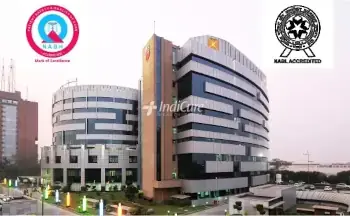
Location: New Delhi
Speciality: Multi-Superspeciality
Accreditation: Accreditation : Joint Commission International (JCI, USA), National Accreditation Board for Hospitals & Healthcare Providers (NABH)
No. of Beds: Beds : 650
BL Kapur Memorial Hospital was one of the biggest standalone private hospitals in Delhi, NCR, now taken over by Max Group of hospitals. Established by late Dr. B L Kapur, an eminent Obstetrician, and Gynecologist on invitation by then Prime Minister of India, Mr. Jawahar Lal Nehru. The institute went on to become one of Delhi’s premier multi-specialty hospitals. BLK Max Hospital has consistently ranked among the Top 10 Multi Super Speciality Hospitals in India. Accredited by JCI, USA, the institute has 650 beds with dedicated 125 critical care beds and over 150 specialties making it one of the best hospitals in New Delhi and India. Equipped with the most advanced technology, BLK is well renowned for Bone Marrow Transplants and other highly specialized treatments like Heart transplant.
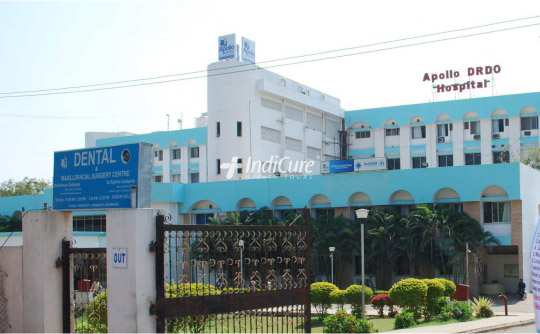
Apollo Hospital, DRDO, Hyderabad
Location: Hyderabad
Speciality: Multi-Superspeciality
Loading...
No. of Beds: Beds : 150
Apollo Hospital DRDO, Kanchan Bagh is a multi-specialty hospital in Hyderabad that uses technological innovation, research, and quality expertise to deliver integrated world-class healthcare to everyone. Heart, Cancer Care, Critical Care, Gastroenterology, Orthopedics, Neurosciences, and Emergency are among the hospital’s seven centres of excellence. In addition, it has Departments like Dental, Obstetrics & Gynecology, Pediatrics, Nephrology & Urology, and Plastic and Cosmetic Surgery. The Orthopedic Department is one of the best in Hyderabad, with a state-of-the-art operating room dedicated solely to orthopedic procedures. This is bolstered by a fully equipped Physiotherapy Unit, which provides crucial rehabilitation assistance.
What is Mitral Valve Replacement?
Mitral valve replacement is a surgery in which a patient’s heart’s diseased mitral valve is replaced with a mechanical or tissue (bioprosthetic) valve.
The most common reasons for the change of Mitral valve are:
Mitral valve regurgitation- Mitral valve regurgitation is a condition in which the heart’s mitral valve doesn’t close tightly, which allows blood to flow backward in the heart.
Mitral valve stenosis- It is a medical condition in which the mitral valve flaps thicken and stiffen, and they may fuse. As a result, the valve aperture narrows and blood flow from the left atrium to the left ventricle is restricted.
Symptoms of mitral valve disease may not appear for several years in some patients. The following are some of the signs and symptoms of mitral valve disease:
- A stethoscope recording of an abnormal heart sound (heart murmur).
- Fatigue
- Shortness of breath, especially after a vigorous workout or when lying down
- Irregular heartbeat
There can be several reasons for mitral valve disease, some of which may include birth defects, infection, calcification, and inherited collagen disease.
Even if you don’t have symptoms, your doctor may recommend mitral valve surgery or replacement to avoid complications and improve outcomes. If you need surgery for another heart problem, your doctor may decide to repair or replace the defective mitral valve as well.
Current mitral valve replacement approaches include open heart surgery and minimally invasive cardiac surgery (MICS).
There are two main types of artificial mitral valve:
- Mechanical valves
- Tissue (bioprosthetic) valves
Advantages of mitral valve repair over replacement include lower surgical mortality, lower rates of stroke and endocarditis (an infection of the heart’s inner lining), equivalent or better long‑term durability, and improved long-term survival.
When is Mitral Valve Replacement Required?
Whenever possible, mitral valve repair is advised since it preserves your heart valve. Surgical repair of a mitral valve may include patching holes in the valve, reconnecting valve flaps (leaflets), separating fused valve leaflets, replacing the valve’s support cords, or removing extra valve tissue so that the leaflets can close firmly. Surgeons frequently use an artificial ring to tighten or reinforce the ring around a valve (annulus).
Surgeons may replace your mitral valve if it cannot be repaired. Your surgeon will remove the damaged valve and replace it with a mechanical valve or a valve manufactured from cow or pig heart tissue during mitral valve replacement (biological tissue valve).
Biological tissue valves deteriorate over time and will need to be replaced. A catheter operation can be used to put a new valve in a biological tissue replacement valve that has failed. To avoid blood clots, people with mechanical valves will need to take blood-thinning drugs for the rest of their lives.
How is Mitral Valve Replacement Done?
Valve repair/ replacement surgery is done under general anesthesia and takes about four to five hours. There are different approaches to valve repair/replacement surgery. These are:
Open Heart Surgery: This involves a cut in the chest to access the heart.
Minimally Invasive Heart Surgery: Smaller incisions in the chest are used in this procedure. Compared to open-heart surgery, minimally invasive heart surgery results in a shorter hospital stay, faster recovery, and less pain.
Robot-assisted Heart Surgery: A sort of minimally invasive surgery in which the surgeon observes the heart on a video monitor from a remote location. Robotic arms are utilized by the surgeon to conduct the same maneuvers as open-heart operations. As a surgery alternative, robotic mitral valve replacement is becoming more popular.
Transcatheter procedure: A cardiologist performs the transcatheter operation in the catheterization lab. A catheter is inserted into a vein and guided to the heart in this type of treatment. The catheter could be used to send tools to the valve to repair or replace it.
Step 1
After the incision and separation of the breastbone and ribs, the surgeon opens the heart and traces the faulty valve.
Step 2
The edges around the valve are slightly sliced to help loosen it from the tendons that connect it to the rest of the heart and then the valve can be removed.
Step 3
The new valve is then inserted and attached into place. After the surgery is done, the patient is taken off the bypass machine and the chest is closed.
What is the Recovery after Mitral Valve Replacement like?
You’ll typically spend a day or more in the intensive care unit (ICU) after having mitral valve repair or replacement surgery. You’ll be shifted to a regular hospital room for a few days after leaving the ICU. Depending on your condition and the type of surgery you have, the amount of time you stay in the ICU and hospital can vary.
You will need to stay in the hospital at least overnight after a transcatheter procedure, although you may not need to stay in the ICU. There are no tubes needed to drain fluid or blood from your chest with this method.
Your doctors and nurses will keep an eye on your progress. Your blood pressure, respiration, and heart rate will be monitored often. Your doctor will also work with you to manage any post-surgery pain.
As you heal, you’ll be told to gradually increase your activities and undertake breathing exercises. During your stay in the hospital, your nurses will assist you in taking longer and longer walks. You will be able to resume your routine work and activities in about 4 weeks, but rigorous work will have to wait for 8-10 weeks and can be undertaken after the surgeon’s advice.
What Results Can I Expect from Mitral Valve Replacement?
Mitral valve repair and replacement surgery can help you live a better life by reducing symptoms and improving your quality of life.
You’ll need to see your doctor on a frequent basis to ensure that the new or repaired valve is functioning properly.
To avoid blood clots, you’ll need to take blood thinners for the rest of your life if your mitral valve is replaced with a mechanical valve. Biological tissue valves degenerate (break down) over time and must be replaced.
Cardiac rehabilitation, a program of education and exercise designed to help you improve your health and recuperate after heart surgery, may also be recommended by your doctor. Before and after mitral valve surgery, maintaining a healthy lifestyle is critical to your heart’s health. A healthy way of life involves the following:
- Smoking cessation
- Exercise on a regular basis
- Eating a well-balanced diet
- Stress management
Questions you must ask
Here is a set of questions you should consider asking before commencing your medical journey for Mitral Valve Replacement in India.
- Is the heart surgeon board certified?
- How experienced is the Surgeon?
- Which language does the surgeon speak?
- Is the treatment done in a well-equipped facility?
- What treatment option is recommended for me?
- What about the risks involved?
- Does the surgeon use a certified anesthetist?
- How long will the recovery period be?
Be ready to respond about:
Prepare to answer questions about your:
- Medical history and exams
- Previous surgeries
- Current medication review
- History of smoking, drugs, or alcohol