
Proton Beam Therapy Cost in India
Last updated: April 19, 2026
Proton Beam Therapy Cost in India starts from US $65,000 and varies depending on your medical history and health condition, area and stage of the cancer you are suffering from, your treating doctor’s seniority and experience, hospital and the city where you choose to get the treatment done.
With end to end services for your hassle-free Cancer Treatment in India, MediTraWell has made the entire process of seeking medical tourism in India easy and hassle free for you besides making it affordable.
Factors that affect Blood Cancer Treatment Cost in India:
- Oncologist’s Fees
An important expense when it comes to your blood cancer treatment is going to be your oncologist’s fees. MediTraWell recommends highly experienced, skilled, board-certified doctors who are capable of delivering successful treatments. Although the charges may vary depending on the experience of the doctors, you can be assured that you are in safe and skilled hands when you choose cancer treatment in India with MediTraWell.
- Number of Chemotherapy and Radiation Cycles
The overall blood cancer treatment cost depends on the number of chemotherapy, radiation, or biological therapy cycles that a patient has to undergo. The number of cycles of chemotherapy, radiation, or biological therapy to kill the cancerous cells varies depending on the stage and medical condition of the patient.
- Need for Bone Marrow Transplant
There are different types of therapies, the choice of which depends on the stage or grade of the cancer and the overall health of the patient. But, if all the therapies fail to treat the blood cancer, the doctor may recommend bone marrow transplant or stem cell transplant. This affects the overall cost of blood cancer treatment.
- Surgical Facility
Having your treatment or bone marrow transplant for blood cancer in an accredited surgical facility by skilled and qualified medical staff is a critical factor. Moreover, the geographical location of this facility also affects the quote. But, MediTraWell provides you with a projected estimate that will be affordable.
- Additional Expenses
The additional expenses include the pre- and post-surgical expenses. The pre-treatment expenses are associated with the stage of the cancer and medical condition of the patient and thus the number and type of investigations required. Post-treatment expenses may include prescription medications and follow-up consultations.
We at MediTraWell, understand that you travel with a budget in mind and do not like to be greeted by surprises after arrival in India. We thus club all these expenses and give you a package cost that is inclusive and affordable at the same time.
Your case manager shall give you an estimated cost of your surgery after discussing your medical reports with the surgeon. The final cost, however, shall be confirmed after your consultation with the surgeon.
Medi Trawell Services
Making Medical Travel to India Affordable & Hassle-free for 15+ Years

We Help you Choose the Right Treatment, Surgeon & Hospital

We Arrange Video/Telephonic Consultation with the Surgeon

We Assist you with Visa & Accommodation

We Receive you at the Airport and Drop you at Hotel/Hospital

We Assist you the at Hospital & Provide Post Operative Support
Our services are FREE for our patients.
In fact, we have Special Negotiated Rates with the Hospitals and you can avail Discounted Rates when you choose to Travel with MediTrawell. Container
Cancer Treatments We Offer
Here is a compilation of the cancer treatment options we provide in India.
- Leukemia
- Multiple Myeloma
- Aplastic Anemia
- Osteosarcoma
- Squamous Cell Carcinoma
- Pancreatic Cancer
- Eye Cancer
- Bladder Cancer
- Cervical Cancer
- Penile Cancer
- Endometrial Cancer
- Skin Cancer
- Bone Cancer
- Esophagus Cancer
- Kidney Cancer
- Testicular Cancer
- Breast Cancer
- Lung Cancer
- Ovarian Cancer
- Gallbladder Cancer
- Thyroid Cancer
- Colon Cancer
- Prostate Cancer
- Blood Cancer
Best Oncologists in India
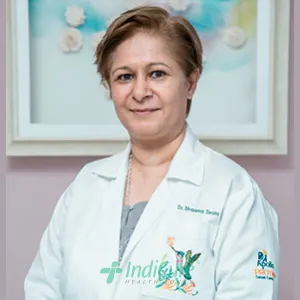
Dr. Bhawna Sirohi
Medical Oncologist
MBBS, DCH, FRCP,
Chennai
Dr. Bhawna Sirohi is a renowned Medical Oncologist in India with more than 25 years of experience in the field of Oncology. She is a well-known senior consultant who specializes in treating Breast cancers and Gastrointestinal cancers all over the world.
Dr. Bhawna has collaborated with some of the world’s best oncology centers and oncologists. She is presently working with Apollo Proton Cancer Center as the Lead – Medical Oncologist. Dr. Sirohi is also an honorary consultant at London’s Queen Mary’s University and has over 100 publications published in national and international journals.
She is the President of Royal Society of Medicine’s and the Chairman of the ICMR Task Force for Cancer Guidelines on Colorectal Cancer, NET, HCC, Pancreatic cancer, and Esophageal cancer, and an advisor to the NCI-AIIMS committee.
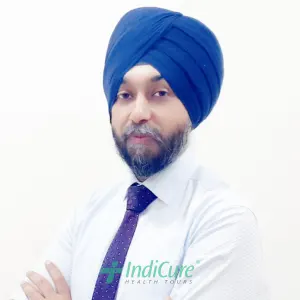
Dr. Randeep Singh
Medical Oncologist
MBBS, MD, DM
Gurgaon
Dr. Randeep Singh is an extensively trained doctor specialized in the management of cancer patients at the prestigious Tata Memorial Hospital (TMH), Mumbai.
He did his DM (Medical Oncology) and then worked as a consultant at TMH, Mumbai with the solid tumor-working group. He worked with Max Healthcare for five years. Thereafter he headed the department of Medical Oncology at HCG cancer center, Delhi before joining Artemis Hospitals, Gurgoan followed by Narayana Hospital.
He has vast experience in managing solid and hemato-lymphoid tumors with a special interest in breast, lung, and gastrointestinal cancers. Dr. Singh has more than 30 publications in national and international journals of high impact factor. He has also attended and presented various scientific papers in national and international journals.
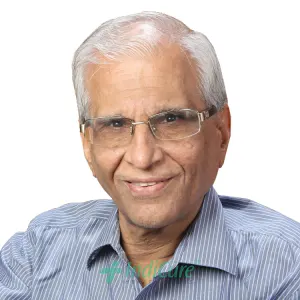
Dr. Prof Suresh H Advani
Medical Oncologist
MBBS, MD, FICP, MNAMS, FNAMS, Fellowships
Mumbai
Prof. Dr. Suresh Advani, is one of the most renowned and acclaimed medical oncologists in India. Dr. Advani has 43 years of expertise as a physician, pediatric-oncologist, and hemato-oncologist.
He is credited with being the first to perform hematopoietic stem cell transplantation in India. The wheelchair-bound doctor was diagnosed with poliomyelitis when he was eight years old and went on to study at Grant Medical College in Mumbai (where he earned his MBBS and MD Medicine degrees), after which he served as a medical oncologist at Tata Memorial Centre for several years.
He is credited with being the first to perform hematopoietic stem cell transplantation in India.
He went on to receive a Fellowship in the field of bone marrow transplantation from the Fred Hutchinson Cancer Research Center in Seattle, Washington where he worked with Dr. E Donnall Thomas, renowned as the “Father of BMT” and winner of the Nobel Prize in Medicine in 1990. He also received the Fellowship of Yamagiwa-Yoshida Memorial International Cancer Study Grant of the International Union Against Cancer in 1986.
Dr. Advani is credited with becoming the first oncologist in India to perform a successful bone marrow transplant, and establishing the first bone marrow transplantation setup in India. He also took part in clinical trials for lymphoblastic leukemia patients. The trials, which involved 1,200 patients, managed to increase therapy success rates from 20% to 70%.
Dr. Advani is credited with becoming the first oncologist in India to perform a successful bone marrow transplant, and establishing the first bone marrow transplantation setup in India.
Best Cancer Hospitals in India
These are our top cancer hospitals in India, ensuring you receive the healthcare you deserve.
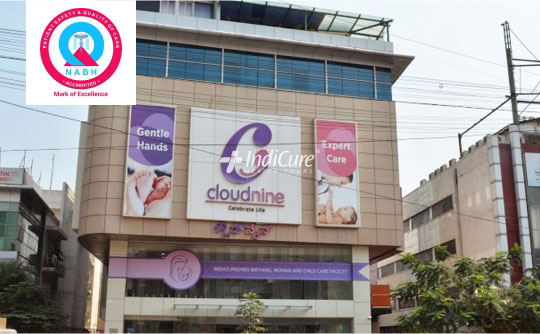
Cloudnine Hospital, Bangalore
Location: Bangalore
Speciality: Multi-Superspeciality
Loading...
No. of Beds: Beds : 50
Cloudnine Hospital in Bangalore was established in 2007 as part of the Cloudnine Group of Hospitals, which was founded by neonatologist Dr. R. Kishore Kumar. The organization operates 19 hospitals and clinics in Bangalore, Chennai, Pune, Gurgaon, Mumbai, and Chandigarh. Old Airport Road, HRBR Layout, Bellandur, Whitefield, Malleshwaram, and Jayanagar are the six branches in Bangalore. The hospital has delivered over 36,000 infants across multiple locations. The hospital offers world-class medical facilities as well as a personnel dedicated to the complete well-being of women and babies. It has achieved its goal of achieving a maternal death rate of zero percent and a baby survival rate of 99.83 percent.
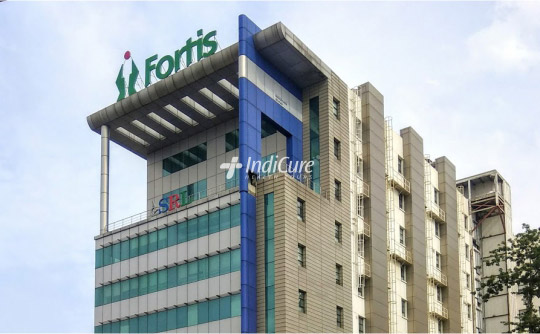
Fortis Hospital, Vadapalani, Chennai
Location: Chennai
Speciality: Multi-Superspeciality
Loading...
No. of Beds: Beds : 250
The Fortis Hospital in Vadapalani is the company’s second hospital in Chennai. Thiru Edappadi K. Palaniswami, the Chief Minister of Tamil Nadu, opened the super-specialty, quaternary care hospital in 2020. The hospital has a reputation for providing economical healthcare in a short amount of time, thanks to its cutting-edge infrastructure and highly experienced medical staff. The hospital is located on Arcot Road in Vadapalani, which is an excellent location. The Fortis Hospital in Vadapalani is a 250-bed super-specialty hospital with a 1.5-lakh-square-foot footprint. The hospital is housed in a nine-story structure built to allow simple patient access. It has 75 intensive care units (ICUs), six operating rooms, three minor operating rooms, and procedural rooms. It also contains emergency and casualty beds, as well as a cutting-edge cath lab and other world-class amenities. The medical equipment at the hospital is highly sophisticated.
Proton Beam Therapy
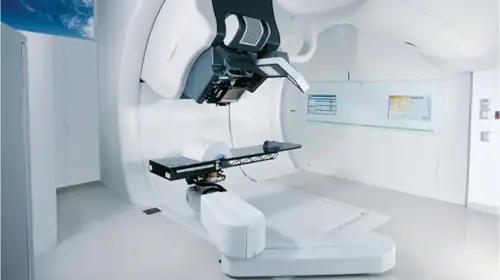
Proton therapy, also called proton beam therapy, is a type of radiation therapy that is used to kill tumor cells. Instead of using x-rays as in traditional radiation therapy, protons are used to send high-energy beams that can target tumors more precisely than X-ray radiation.
Doctors and physicists collaborate to focus the proton beam on the tumor’s specific size and shape while treating a patient. The laser kills tumor cells layer by layer, preserving healthy tissue in the process.
How does Proton Beam Therapy Work?
Proton therapy is a type of sophisticated radiation therapy that uses protons rather than X-rays.
The beam of energy in traditional radiation therapy enters the body, passes through the tumor, and exits the other side. Beyond the tumor, this “exit dose” of radiation may have an effect on healthy tissue.
Protons, on the other hand, are larger than the particles utilized in normal radiation. They concentrate more of their power within the tumor.
The protons stop after giving the energy to the tumor: they do not exit the tumor and enter healthy tissue on the other side. Proton therapy lowers radiation exposure and potential harm to healthy tissue in sensitive places like the brain, eyes, spinal cord, heart, major blood arteries, and nerves in this way.
Why it’s done
Cancer and some noncancerous tumors are treated using proton therapy. Proton therapy may be used as the only option for treating your disease, or it could be used in combination with other treatments including surgery and chemotherapy.
If the cancer persists or returns after standard X-ray radiation, proton therapy may be employed.
Proton beam therapy is sometimes used to treat the following conditions:
- Brain tumors
- Breast cancer
- Cancer in children
- Eye melanoma
- Esophageal cancer
- Head and neck cancers
- Liver cancer
- Lung cancer
- Lymphoma
- Pancreatic cancer
- Pituitary gland tumors
- Prostate cancer
- Sarcoma
- Tumors affecting the spine
- Tumors in the base of the skull
Questions to Ask
We at MediTraWell completely understand your concerns and it is always our endeavor to provide the best outcome for every patient. Following is the list of questions you must ask before you embark on your journey for proton therapy in India.
- How experienced is the doctor?
- Which language does the surgeon speak?
- Is the treatment done in a well-equipped facility?
- What about the risks involved?
Preparation for the Surgery
Prepare to answer questions about your:
- Medical history and exams
- Previous surgeries
- Current medication review
- History of smoking, drugs, or alcohol
How is Proton Beam Therapy Done?
Proton therapy is usually done five days a week for several weeks. However, depending on your health, you may just need one or a few treatments in some cases. The proton therapy treatment itself may only take a few minutes, but plan on spending 30 to 45 minutes prepping for each session.
You may also get weekly CT scans to evaluate if your dose needs to be revised due to changes in your weight or the size and shape of your tumor.
Step 1: You’ll be seated at a table to prepare. To keep your body immobile, cushions and restraints will be employed.
Step 2: Then, before each treatment, you’ll have an imaging test, such as an X-ray or a CT scan, to ensure that your body is in the same precise position.
Step 3: Proton treatment is delivered by an equipment known as a gantry, which directs proton beams at specific places on your body. When the machine is turned on and providing the proton treatment dose, you’ll hear it. During your treatment, however, you will not be able to feel the radiation.
What Results can I Expect from Proton Beam Therapy?
Periodic imaging examinations may be recommended by your doctor during and after proton therapy to see how well your cancer is responding to the treatments.
What is the Recovery after Proton Beam Treatment like?
You can resume your normal routine after your therapy session is finished. You will not be radioactive and will not emit radiation.
Proton therapy side effects usually appear over time. At first, you may only suffer minor side effects. However, weariness may occur after numerous treatments, making you feel as if your normal activities require more energy or that you have little stamina for routine duties. In the area where the proton beams are aimed, you may observe a sunburn-like skin redness.