

Chemotherapy Cost in India
Last updated: April 19, 2026
Chemotherapy Cost in India starts from US $300 and can go upto US $3000. Chemotherapy cost in India varies depending on your medical history and health condition, stage of the cancer, type of chemotherapy given, drugs used in chemotherapy, whether given alone or in combination with other your treating doctor’s seniority and experience, hospital and the city where you choose to get the treatment done.
With end to end services for your hassle-free Cancer Treatment in India, MediTraWell has made the entire process of seeking medical tourism in India easy and hassle free for you besides making it affordable.
Factors that affect Blood Cancer Treatment Cost in India:
- Oncologist’s Fees
An important expense when it comes to your blood cancer treatment is going to be your oncologist’s fees. MediTraWell recommends highly experienced, skilled, board-certified doctors who are capable of delivering successful treatments. Although the charges may vary depending on the experience of the doctors, you can be assured that you are in safe and skilled hands when you choose cancer treatment in India with MediTraWell.
- Number of Chemotherapy and Radiation Cycles
The overall blood cancer treatment cost depends on the number of chemotherapy, radiation, or biological therapy cycles that a patient has to undergo. The number of cycles of chemotherapy, radiation, or biological therapy to kill the cancerous cells varies depending on the stage and medical condition of the patient.
- Need for Bone Marrow Transplant
There are different types of therapies, the choice of which depends on the stage or grade of the cancer and the overall health of the patient. But, if all the therapies fail to treat the blood cancer, the doctor may recommend bone marrow transplant or stem cell transplant. This affects the overall cost of blood cancer treatment.
- Surgical Facility
Having your treatment or bone marrow transplant for blood cancer in an accredited surgical facility by skilled and qualified medical staff is a critical factor. Moreover, the geographical location of this facility also affects the quote. But, MediTraWell provides you with a projected estimate that will be affordable.
- Additional Expenses
The additional expenses include the pre- and post-surgical expenses. The pre-treatment expenses are associated with the stage of the cancer and medical condition of the patient and thus the number and type of investigations required. Post-treatment expenses may include prescription medications and follow-up consultations.
We at MediTraWell, understand that you travel with a budget in mind and do not like to be greeted by surprises after arrival in India. We thus club all these expenses and give you a package cost that is inclusive and affordable at the same time.
Your case manager shall give you an estimated cost of your surgery after discussing your medical reports with the surgeon. The final cost, however, shall be confirmed after your consultation with the surgeon.
Medi Trawell Services
Making Medical Travel to India Affordable & Hassle-free for 15+ Years

We Help you Choose the Right Treatment, Surgeon & Hospital

We Arrange Video/Telephonic Consultation with the Surgeon

We Assist you with Visa & Accommodation

We Receive you at the Airport and Drop you at Hotel/Hospital

We Assist you the at Hospital & Provide Post Operative Support
Our services are FREE for our patients.
In fact, we have Special Negotiated Rates with the Hospitals and you can avail Discounted Rates when you choose to Travel with MediTrawell. Container
Cancer Treatments We Offer
Here is a compilation of the cancer treatment options we provide in India.
- Leukemia
- Multiple Myeloma
- Aplastic Anemia
- Osteosarcoma
- Squamous Cell Carcinoma
- Pancreatic Cancer
- Eye Cancer
- Bladder Cancer
- Cervical Cancer
- Penile Cancer
- Endometrial Cancer
- Skin Cancer
- Bone Cancer
- Esophagus Cancer
- Kidney Cancer
- Testicular Cancer
- Breast Cancer
- Lung Cancer
- Ovarian Cancer
- Gallbladder Cancer
- Thyroid Cancer
- Colon Cancer
- Prostate Cancer
- Blood Cancer
Best Oncologists in India
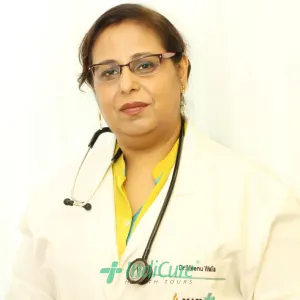
Dr. Meenu Walia
Medical Oncologist
MBBS, MD, DNB
Delhi
About Doctor: Dr. Meenu Walia has an experience of more than 27 years in the field of Medical Oncology and Hematology. She is the keen Clinical researcher and principal investigator for several randomized multi-centric international clinical research trials.
She is highly skilled in treating Abdominal Solid Organ Cancers, Gastro-Intestinal Cancers, and Leukemia/Lymphoma. She is a Member of the American Society of Clinical Oncologists and the European Society for Medical Oncology, among other important organizations (ESMO). Clinical research is a specific focus of hers. She has served as the Principal Investigator for a number of randomized multicenter international clinical trials.
She is a Member of the American Society of Clinical Oncologists and the European Society for Medical Oncology, among other important organizations (ESMO). Clinical research is a specific focus of hers. She has served as the Principal Investigator for a number of randomized multicenter international clinical trials.
Dr. Walia is the first DNB Medical Oncologist in the country and has been honored with various awards during her tenure. India Today Group has honored her with the certificate for excellence in recognition of the exemplary work and dedication in the field of healthcare. She was also awarded the “Bharat Jyoti Award” and certificate for excellence by Dr. Bhishma Narain Singh- The former Governor of Tamil Nadu and Assam for her meritorious services, outstanding performance, and remarkable role in healthcare.

Dr. Randeep Singh
Medical Oncologist
MBBS, MD, DM
Gurgaon
Dr. Randeep Singh is an extensively trained doctor specialized in the management of cancer patients at the prestigious Tata Memorial Hospital (TMH), Mumbai.
He did his DM (Medical Oncology) and then worked as a consultant at TMH, Mumbai with the solid tumor-working group. He worked with Max Healthcare for five years. Thereafter he headed the department of Medical Oncology at HCG cancer center, Delhi before joining Artemis Hospitals, Gurgoan followed by Narayana Hospital.
He has vast experience in managing solid and hemato-lymphoid tumors with a special interest in breast, lung, and gastrointestinal cancers. Dr. Singh has more than 30 publications in national and international journals of high impact factor. He has also attended and presented various scientific papers in national and international journals.

Dr. K R Gopi
Medical Oncologist
MBBS, MD, DNB
Chennai
Dr. K R Gopi is an extensively trained and skilled medical oncologist in India with rich professional experience spanning over 30 years. Having worked for over 15 years in a few of the leading medical facilities both in India and UK has further added to his expertise in this discipline.
He is currently empanelled with Global Hospital in Chennai as a Senior Consultant in the Department of Medical Oncology. He has expertise in Haemato-oncology, Medical Oncology, and Palliative Medicine.
His areas of expertise include Haemato-oncology, Palliative medicine, Chemotherapy, management of all types of malignancies, Elderly/Frail patient management in Oncology.
Best Cancer Hospitals in India
These are our top cancer hospitals in India, ensuring you receive the healthcare you deserve.
Cancer Institute, Adyar
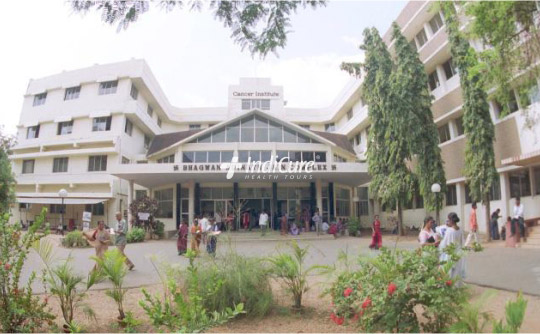
Location: Chennai
Speciality: Multi-Superspeciality
Accreditation: Accreditation : NABH, NABL
No. of Beds: Beds : 535
Cancer Institute (WIA), also known as Adyar Cancer Institute, became the Regional Cancer Centre in 1974. The Ministry of Health and Family Welfare designated it as a ‘Centre of Excellence’ in 1974. Dr. Muthulakshmi Reddy, India’s first female medical graduate, started the hospital. The hospital, research division, division of preventive oncology, and college of oncological sciences are all part of the Institute.
Gleneagles Global Health City, Perumbakkam, Chennai
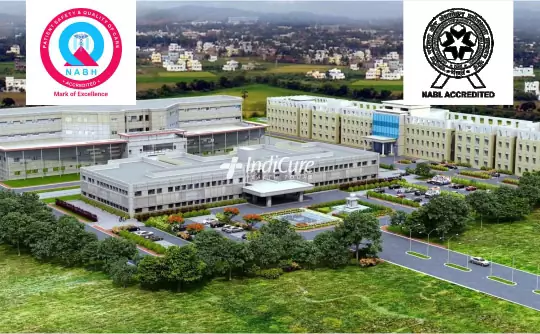
Location: Chennai
Speciality: Multi-Superspeciality
Loading...
No. of Beds: Beds : 1000
Global Health City, Chennai is the flagship and largest hospital of Gleneagles hospitals in India. Spread over 21 acres, the hospital has over 1000 beds and has accreditations from many international agencies. The hospital is a super-specialty quaternary care facility, offering best-in-class services using cutting-edge technology and highly skilled and experienced healthcare professionals. The hospital attracts a lot of international patients and is most famous and renowned for kidney and liver transplants in India. kidney and liver transplants in India.
Chemotherapy
Chemotherapy is a treatment that uses chemicals to kill cancer cells. It usually acts by preventing cancer cells from growing, dividing, or proliferating. Chemotherapy has a greater effect on cancer cells because they grow and divide quicker than normal cells.
Chemotherapy aims are determined by the type of cancer and how far it has spread. The goal of treatment is sometimes to eradicate all cancer and prevent it from returning. If this is not possible, you may be given chemotherapy to help slow or stop the progression of your cancer.
Chemotherapy can help manage cancer symptoms by delaying or decreasing their progression. Palliative chemotherapy is a type of chemotherapy used to slow the progression of cancer.
Duration of Chemotherapy:
Chemotherapy is frequently administered for a set period of time, such as six months or a year. Alternatively, you could undergo chemotherapy for as long as it is effective. For example, you could receive chemotherapy on the first day and then rest for three weeks before continuing the treatment. A treatment cycle is a three-week period. A chemotherapy course is made up of several cycles. A typical course lasts three months or longer.
When is Chemotherapy needed?
Doctors use chemotherapy in different ways at different times. These include:
- To cure cancer without the use of any other treatments. Chemotherapy can be used to treat cancer as a main or sole treatment.
- To eliminate hidden cancer cells after other treatments. Chemotherapy can be used to destroy any cancer cells that remain in the body following other treatments, such as surgery. This is referred to as adjuvant therapy by doctors.
- To get you ready for other treatments. Chemotherapy can reduce a tumor enough for additional treatments like radiation and surgery to be considered. This is referred to as neoadjuvant therapy by doctors.
- To reduce the severity of signs and symptoms. Chemotherapy can help alleviate cancer signs and symptoms by destroying some cancer cells. This is described as palliative chemotherapy by doctors.
Some chemotherapy medications have been found to be effective in the treatment of other illnesses, including:
- Diseases of the bone marrow: A bone marrow transplant, also known as a stem cell transplant, can be used to treat diseases that affect the bone marrow and blood cells. Chemotherapy is frequently used to aid in the preparation of a bone marrow transplant.
- Disorders of the immune system: In disorders like lupus and rheumatoid arthritis, lower doses of chemotherapeutic medicines can help manage an overactive immune system.
Questions to Ask
We at MediTraWell completely understand your concerns and it is always our endeavor to provide the best outcome for every patient. Following is the list of questions you must ask before you embark on your journey for chemotherapy in India.
- How experienced is the doctor?
- Which language does the surgeon speak?
- Is the treatment done in a well-equipped facility?
- What about the risks involved?
Preparation for the Surgery
Prepare to answer questions about your:
- Medical history and exams
- Previous surgeries
- Current medication review
- History of smoking, drugs, or alcohol
How is Chemotherapy treatment done?
Chemotherapy may be given in several different ways, which are discussed below:
- Intravenous (IV) chemotherapy: Many medications must be injected straight into a vein. This is referred to as intravenous (IV) chemotherapy. Treatment can take anywhere from a few minutes to several hours. Some IV medications are more effective if given over several days or weeks. You administer them using a tiny pump that you wear or carry. Continuous infusion chemotherapy is the term for this type of treatment.
- Oral chemotherapy: Some medications can be taken orally. They can come in the form of a pill, a capsule, or a liquid. This means you might be able to pick up your medication from the pharmacy and take it home with you. Oral cancer therapies are becoming more common. . Some of these medications are taken on a daily basis, while others are taken less frequently. For example, a medicine could be given every day for four weeks before taking a two-week hiatus.
- Injected chemotherapy This is when you get chemotherapy in the form of an injection. The shot can be injected into a muscle or under the skin. These shots might be given to you in your arm, leg, or abdomen. The medical term for your stomach is abdomen.
- Chemotherapy into an artery A blood channel that transfers blood from your heart to another region of your body is known as an artery. Chemotherapy is sometimes injected directly into an artery that leads to the malignancy. Intra-arterial chemotherapy, or IA chemotherapy, is the term for this type of treatment.
- Chemotherapy into the peritoneum or abdomen Chemotherapy administered through the peritoneum or the abdomen. Medication may be injected straight into your abdomen for some malignancies. This treatment is effective for malignancies of the peritoneum. The peritoneum surrounds the intestines, liver, and stomach and covers the inside of the abdomen. Ovarian cancer is one of the most common cancers to spread to the peritoneum.
- Topical chemotherapy Some forms of chemotherapy are available as a cream that you apply to your skin. You go to the pharmacy and pick up your medication, which you then take at home.
What Results can I Expect from Chemotherapy?
During chemotherapy, you’ll see your cancer doctor (oncologist) on a frequent basis. Your oncologist will inquire about any adverse effects you’re having, as many of them can be managed.
You may also have scans and other tests to monitor your cancer during chemotherapy treatment, depending on your situation. These tests can help your doctor figure out how your cancer is reacting to treatment and change your treatment accordingly.