

Targeted Therapy Cost in India
Last updated: April 19, 2026
Targeted Therapy Cost in India starts from US $1,900 and can go upto around US $3500. The cost of targeted therapy in India varies depending on your medical history and health condition, drugs used in targeted therapy, area and stage of the cancer you are suffering from, your treating doctor’s seniority and experience, hospital and the city where you choose to get the treatment done.
With end to end services for your hassle-free Cancer Treatment in India, MediTraWell has made the entire process of seeking medical tourism in India easy and hassle free for you besides making it affordable.
Factors that affect Blood Cancer Treatment Cost in India:
- Oncologist’s Fees
An important expense when it comes to your blood cancer treatment is going to be your oncologist’s fees. MediTraWell recommends highly experienced, skilled, board-certified doctors who are capable of delivering successful treatments. Although the charges may vary depending on the experience of the doctors, you can be assured that you are in safe and skilled hands when you choose cancer treatment in India with MediTraWell.
- Number of Chemotherapy and Radiation Cycles
The overall blood cancer treatment cost depends on the number of chemotherapy, radiation, or biological therapy cycles that a patient has to undergo. The number of cycles of chemotherapy, radiation, or biological therapy to kill the cancerous cells varies depending on the stage and medical condition of the patient.
- Need for Bone Marrow Transplant
There are different types of therapies, the choice of which depends on the stage or grade of the cancer and the overall health of the patient. But, if all the therapies fail to treat the blood cancer, the doctor may recommend bone marrow transplant or stem cell transplant. This affects the overall cost of blood cancer treatment.
- Surgical Facility
Having your treatment or bone marrow transplant for blood cancer in an accredited surgical facility by skilled and qualified medical staff is a critical factor. Moreover, the geographical location of this facility also affects the quote. But, MediTraWell provides you with a projected estimate that will be affordable.
- Additional Expenses
The additional expenses include the pre- and post-surgical expenses. The pre-treatment expenses are associated with the stage of the cancer and medical condition of the patient and thus the number and type of investigations required. Post-treatment expenses may include prescription medications and follow-up consultations.
We at MediTraWell, understand that you travel with a budget in mind and do not like to be greeted by surprises after arrival in India. We thus club all these expenses and give you a package cost that is inclusive and affordable at the same time.
Your case manager shall give you an estimated cost of your surgery after discussing your medical reports with the surgeon. The final cost, however, shall be confirmed after your consultation with the surgeon.
Medi Trawell Services
Making Medical Travel to India Affordable & Hassle-free for 15+ Years

We Help you Choose the Right Treatment, Surgeon & Hospital

We Arrange Video/Telephonic Consultation with the Surgeon

We Assist you with Visa & Accommodation

We Receive you at the Airport and Drop you at Hotel/Hospital

We Assist you the at Hospital & Provide Post Operative Support
Our services are FREE for our patients.
In fact, we have Special Negotiated Rates with the Hospitals and you can avail Discounted Rates when you choose to Travel with MediTrawell. Container
Cancer Treatments We Offer
Here is a compilation of the cancer treatment options we provide in India.
- Leukemia
- Multiple Myeloma
- Aplastic Anemia
- Osteosarcoma
- Squamous Cell Carcinoma
- Pancreatic Cancer
- Eye Cancer
- Bladder Cancer
- Cervical Cancer
- Penile Cancer
- Endometrial Cancer
- Skin Cancer
- Bone Cancer
- Esophagus Cancer
- Kidney Cancer
- Testicular Cancer
- Breast Cancer
- Lung Cancer
- Ovarian Cancer
- Gallbladder Cancer
- Thyroid Cancer
- Colon Cancer
- Prostate Cancer
- Blood Cancer
Best Oncologists in India

Dr. K R Gopi
Medical Oncologist
MBBS, MD, DNB
Chennai
Dr. K R Gopi is an extensively trained and skilled medical oncologist in India with rich professional experience spanning over 30 years. Having worked for over 15 years in a few of the leading medical facilities both in India and UK has further added to his expertise in this discipline.
He is currently empanelled with Global Hospital in Chennai as a Senior Consultant in the Department of Medical Oncology. He has expertise in Haemato-oncology, Medical Oncology, and Palliative Medicine.
His areas of expertise include Haemato-oncology, Palliative medicine, Chemotherapy, management of all types of malignancies, Elderly/Frail patient management in Oncology.

Dr. Vinod Raina
Medical Oncologist
MBBS, MD, MRCP, FRCP
Gurgaon
Dr. Vinod Raina is one of the foremost medical oncologist and haematologist in India. He has rich and extensive experience of more than three decades and has over 600 transplants- under his belt for various cancers which is the largest number in India in the last 20 years. He also has to his credit the first high dose chemotherapy and peripheral blood stem cell transplant in India.
He also has to his credit the first high dose chemotherapy and peripheral blood stem cell transplant in India
Concurrent Bio-Radiotherapy for Head and Neck Cancers, Hematology, Medical oncology, high dose chemotherapy, peripheral blood stem cell transplant are the areas of his expertise. Concurrent Bio-Radiotherapy, Pediatric Chemotherapy, and Palliative Bio-Radiotherapy are some of his special interests.
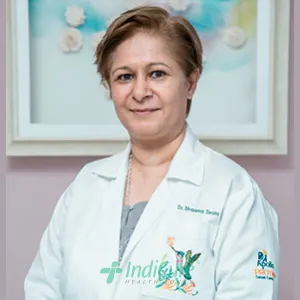
Dr. Bhawna Sirohi
Medical Oncologist
MBBS, DCH, FRCP,
Chennai
Dr. Bhawna Sirohi is a renowned Medical Oncologist in India with more than 25 years of experience in the field of Oncology. She is a well-known senior consultant who specializes in treating Breast cancers and Gastrointestinal cancers all over the world.
Dr. Bhawna has collaborated with some of the world’s best oncology centers and oncologists. She is presently working with Apollo Proton Cancer Center as the Lead – Medical Oncologist. Dr. Sirohi is also an honorary consultant at London’s Queen Mary’s University and has over 100 publications published in national and international journals.
She is the President of Royal Society of Medicine’s and the Chairman of the ICMR Task Force for Cancer Guidelines on Colorectal Cancer, NET, HCC, Pancreatic cancer, and Esophageal cancer, and an advisor to the NCI-AIIMS committee.
Best Cancer Hospitals in India
These are our top cancer hospitals in India, ensuring you receive the healthcare you deserve.
La Midas Hospital, Gurgaon
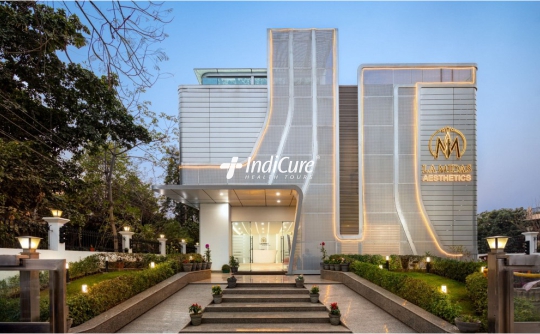
Location: Gurgaon
Speciality: Multi-Superspeciality
Accreditation: Accreditation : ISO
No. of Beds: Beds : 14
La Midas is an internationally acclaimed and award-winning aesthetic surgery clinic. The medical team at the hospital is committed to providing the finest quality aesthetic and plastic surgery services in Gurgaon and Delhi NCR. Through excellent and innovative aesthetic services, the clinic aims to provide its patients with the best treatment and care in the fields of beauty, health, and wellness. At reasonable pricing, the clinic provides a full range of non-surgical and surgical aesthetic treatments for the hair, skin, and body. La Midas, has garnered the reputation of using state of the art equipment that has been certified by the US Food and Drug Administration and for providing a tailored treatment plan. It provides aesthetic surgery treatments using cutting-edge equipment and technology. https://www.MediTraWell.com/plastic-surgery-india/ aesthetic and plastic surgery
Mazumdar Shaw Cancer Institute, Bangalore
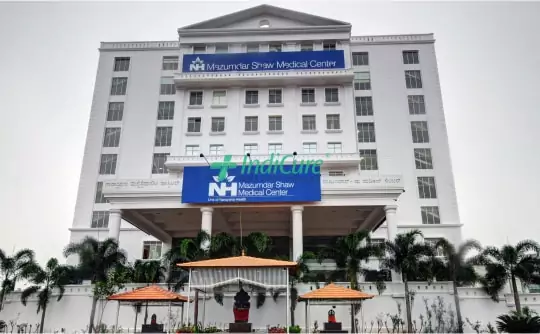
Location: Bangalore
Speciality: Multi-Superspeciality
Accreditation: Accreditation : NABH
No. of Beds: Beds : 610
Mazumdar Shaw Cancer Centre is one of the largest comprehensive cancer centres in India offering multidisciplinary cancer care. The hospital has state-of-the-art equipment and cutting-edge technology along with highly trained cancer specialists, nurses, and paramedics to give the best-in-class care to cancer patients. The highlight of the hospital is the approach in which the care is provided. A team of experts from surgical, medical, radiation oncology along with pathology, radiology, nuclear medicine, and related specialties come together for a tumor board meeting to discuss the treatment plan and together provide the best care to the patient. This “personalized treatment plan” allows each case to be reviewed by several experts resulting in the best outcomes.
Targeted Therapy
Targeted therapy is a type of cancer treatment that relies on the genetic changes or mutations that cause healthy cells to become cancerous. Healthcare providers test for genetic abnormalities that enable cancer cells to grow and survive in order to use targeted therapy. Then they find precise medicines to destroy or stop certain cells from multiplying.
Targeted therapy allows doctors to treat cancer cells while avoiding harming healthy cells. More than 80 targeted medicines have been developed by healthcare practitioners to treat a variety of cancers. Targeted therapy is sometimes used as a first-line or initial treatment. They may also use targeted therapy in conjunction with other therapies.
How Targeted Therapy Works
Healthcare practitioners can identify specific cancer cell components to target for treatment after they understand the genetic mutation that turns a healthy cell into a cancer cell. These are sometimes targets on the surfaces of cancer cells. Occasionally, the targets are chemicals found within cancer cells. The below are two most prevalent types of targeted therapies and how they work to treat cancer:
- Small-molecule medicines:
are small enough to enter cancer cells and kill them. These medicines bind to specific targets on cancer cells and stop them from growing or killing them. Small molecule medications are easily identifiable since their generic names finish in “-ib.” Imatinib (Gleevec), for example, is used to treat chronic myelogenous leukemia (CML) and other cancers by preventing tumor cells from receiving signals that tell them to develop.
- Monoclonal antibodies:
are too big to get into cells. Instead, they attack targets on the outside of cells or right around them. They are cloned replicas of your antibodies generated in a lab. Antibodies are a component of the immune system. They’re proteins that search your body for intruder proteins (antigens), which can come from infections or cancer cells. Antibodies attack these antigens in order to eliminate the invaders.
They’re sometimes used to deliver chemo and radiation directly to the cancer cells. In a hospital or clinic, you normally get them through an IV in a vein in your arm.
Which Cancers can Targeted Therapy treat?
More than 80 targeted medicines have been developed by healthcare practitioners to treat a variety of cancers. They’ve also created tailored medicines to tackle distinct mutations that are associated with the same type of cancer. Targeted therapy may be used to treat the following forms of cancer:
- Blood Cancers– Leukemia, Multiple myeloma, Lymphoma
- Brain Cancers– Glioblastoma, Neuroblastoma
- Thyroid cancers– Anaplastic thyroid cancer, Medullary thyroid cancer, Papillary/follicular thyroid cancer
- Reproductive system cancers– Cervical cancer, Endometrial cancer, Prostate cancer
- Lung cancers– Non-small cell lung cancer, Small cell lung cancer
- Head and neck cancers– Oral cancer, Nasopharyngeal cancer, Oropharyngeal cancer, Laryngeal cancer
- Digestive system cancers– Colorectal cancer, Esophageal cancer, Neuroendocrine tumors, Non-Hodgkin’s lymphoma, Pancreatic cancer, Stomach cancer, Hepatocellular (liver) cancer, gallbladder cancer
- Breast cancers– BRCA gene mutation breast cancer, HER2-positive breast cancer, Hormone receptor-positive breast cancer, Triple negative breast cancer
Who requires Targeted Therapy?
Some cancers, such as CML, virtually always have a target on which treatment can be focused. Your doctor may, however, need to test your tumor to discover if it contains any targets. They may do a biopsy, which involves taking a small sample of the tumor and analyzing it in a lab.
Even if you have the same form of cancer as someone else, the target may be different. HER2-positive breast tumors are not all the same. If you have the KRAS gene mutation, targeted colon cancer drugs such cetuximab (Erbitux) will not work.
You may need to try other therapies before your doctor offers a targeted therapy. Targeted therapy is frequently used in conjunction with other treatments.
Questions to Ask
We at MediTraWell completely understand your concerns and it is always our endeavor to provide the best outcome for every patient. Following is the list of questions you must ask before you embark on your journey for targeted therapy in India.
- How experienced is the doctor?
- Which language does the surgeon speak?
- Is the treatment done in a well-equipped facility?
- What about the risks involved?
Preparation for the Surgery
Prepare to answer questions about your:
- Medical history and exams
- Previous surgeries
- Current medication review
- History of smoking, drugs, or alcohol
How is Targeted Therapy given?
Because each person’s condition is unique, ask your doctor to describe your treatment plan so you know what to expect. Here’s some general facts about what to expect during targeted therapy:
- You can get targeted therapy by swallowing a pill, getting a shot beneath your skin (subcutaneously), or getting an IV (intravenously) on an outpatient basis.
- Targeted therapy may be used in conjunction with other treatments, such as chemotherapy or radiation therapy.
- You may receive targeted therapy every day, once a week, many times a week, once a month, or less frequently. This depends on your medical condition, age, stage of cancer and various other factors.
- You may need to take a break from therapy at times.
- Your healthcare practitioner will see you on a frequent basis to monitor your progress. To determine how well the targeted therapy is working, they may conduct blood tests, X-rays, computed tomography (CT) scans, and other diagnostics. They’ll also inquire about any treatment-related adverse effects.
What Results can I Expect from Targeted Therapy?
Targeted therapy is a highly effective treatment, although it does not always work. Finding a therapeutic target is a difficult process that necessitates healthcare providers gathering a lot of information about cancer. It’s a difficult procedure, and healthcare practitioners are still figuring out how to make it work better.