
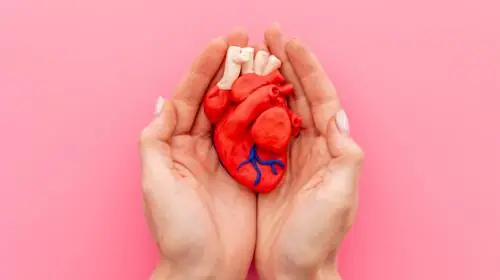
Balloon Valvuloplasty Cost in India
Last updated: April 19, 2026
Starting from USD 3,900
The cost quoted above is indicative and should not be taken as the final cost of balloon valvuloplasty surgery in India. The final cost can be ascertained after all investigations are carried out and the surgeon has evaluated the patient. The cost in Indian Rupees can vary based on the exchange rate.
INCLUDES
- FDA Approved Implant
- Surgery and Stay at the Hospital
- Pre-operative Investigations
- Medicines, Consumables & Food at the hospital
- Airport Transfers & MediTraWell assistance
DOES NOT INCLUDE
- Accommodation outside the Hospital
- Air tickets
- Medical Visa fee
STAY REQUIRED
- Stay at the Hospital - 1 to 2 days
- Stay at the Hotel - 7 to 8 days
- Stay in India - 8 to 10 days
With end to end services for your hassle-free Cancer Treatment in India, MediTraWell has made the entire process of seeking medical tourism in India easy and hassle free for you besides making it affordable.
Factors that Affect Balloon Valvuloplasty Cost in India
- Cardiologist’s Fees
One of the key costs you will face when considering Balloon valvuloplasty surgery in India is the cardiac surgeon’s fee. MediTraWell Health Tours connects you with the most experienced cardiologists in India who are highly skilled and have conducted successful heart surgeries. While the cardiologist’s fee can vary based on their experience, you can trust MediTraWell to recommend only those cardiologists in India who prioritize patient safety and deliver excellent outcomes.
- Type of Surgical Approach
In pursuit of enhancing patient care, novel techniques, and technologies are often integrated into the surgical procedure. These innovative enhancements in surgical methods may lead to higher expenses for balloon valvuloplasty cost in India.
- Choice of Surgical Facility
Choosing an accredited surgical facility with skilled and qualified medical staff is crucial for the success of Balloon valvuloplasty surgery. In India, larger cities typically offer superior medical infrastructure and more experienced surgeons. The cost of healthcare at these larger cities is however higher when compared to healthcare costs in smaller cities of India. MediTraWell Health Tours specifically recommends surgical facilities in larger cities of India so as to prioritize quality of care and ensure safety of overseas patients.
- Surgery-Related Expenses
Surgery-related costs involve both pre-and post-operative expenses. Pre-operative costs are influenced by factors such as the patient’s age and medical condition, the type of investigations needed before the surgery. Post-operative expenses involve prescribed medications and expenses related to subsequent follow-up appointments.
We Customize the Balloon Valvuloplasty Surgery Quote to Suit Your Preferences
At MediTraWell, we consolidate most of the expenses for your Balloon valvuloplasty in India to provide you with an inclusive and cost-effective package tailored to your budget and individual requirements. After receiving medical reports, your case manager will provide an estimated surgery cost based on a discussion with the cardiologist.
The final Balloon valvuloplasty cost in India can however be confirmed after your investigations and face-to-face consultation with the cardiologist.
We at MediTraWell, understand that you travel with a budget in mind and do not like to be greeted by surprises after arrival in India. We thus club all these expenses and give you a package cost that is inclusive and affordable at the same time.
Your case manager shall give you an estimated cost of your surgery after discussing your medical reports with the surgeon. The final cost, however, shall be confirmed after your consultation with the surgeon.
Medi Trawell Services
Making Medical Travel to India Affordable & Hassle-free for 15+ Years

We Help you Choose the Right Treatment, Surgeon & Hospital

We Arrange Video/Telephonic Consultation with the Surgeon

We Assist you with Visa & Accommodation

We Receive you at the Airport and Drop you at Hotel/Hospital

We Assist you the at Hospital & Provide Post Operative Support
Our services are FREE for our patients.
In fact, we have Special Negotiated Rates with the Hospitals and you can avail Discounted Rates when you choose to Travel with MediTrawell. Container
Cardiac Procedures We Offer
Here is a compilation of the heart treatment options we provide in India.
- Holter Monitoring
- Alcohol Septal Ablation
- AICD
- Coronary Angiography
- Coronary Angioplasty (PTCA)
- Pacemaker Implantation
- Cardiac Bypass (Heart Bypass)
- ASD Device Closure
- Aortic Valve Replacement
- ASD Treatment
- VSD Treatment
- Cardiac Tumor Surgery
- EP Study
- Balloon Valvuloplasty
- Bentall Procedure
- Cardiac Ablation
- Minimally Invasive Heart Bypass
- Valve Replacement Surgery
- Pediatric Heart Surgery
- Robotic Heart Surgery
- Heart Transplant
- LVAD (Left Ventricular Assist Device)
- TAVR (Transcatheter Aortic Valve Replacement)
- Truncus Arteriosus Repair
Best cardiologist in India
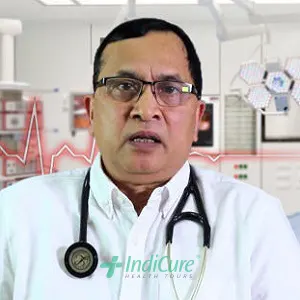
Dr. Bhabha Nanda Das
Cardiac Surgeon
MBBS, MS, MCh, Fellowships
New Delhi
Dr. BN Das is a well-known and well-respected cardiothoracic surgeon in Delhi. With more than 36 years of expertise, he has conducted over 20,000 heart procedures to date. Dr. Das received his MBBS, MS, and McH degrees from some of Delhi’s most prestigious institutions. Following that, he was awarded a Fellowship by the World Health Organization.
CABG on a beating heart, Aortic Aneurysm Surgery, Double Valve Replacement/Mitral Valve Replacement/Aortic Valve Replacement, All Types of Congenital Anomalies, and Intra Cardiac Repair are among Dr B N Das’s specialties.
With more than 36 years of expertise, he has conducted over 20,000 heart procedures to date
a Fellowship by the World Health Organization

Dr. Sandeep Attawar
Cardiac Surgeon
MBBS, MS, M.Ch (Cardiothoracic Surgery)
Hyderabad
Dr. Sandeep Attawar is a known expert in the field of heart and lung transplantation and is one of the leading cardiac surgeons in India. He has performed over 10,000 open and closed heart procedures, over 300 adult heart and lung transplants, and over two dozen LVAD implants over his career. As of August 2021, he had conducted over 26 double-lung transplants during COVID, one of the greatest amounts in the world.
From infants to octogenarians, he has done a wide range of difficult cardiac surgeries on patients of all ages. Those under his care have a high degree of satisfaction, which is commensurate with his outstanding outcomes.
He has performed over 10,000 open and closed heart procedures, over 300 adult heart and lung transplants, and over two dozen LVAD implants over his career. As of August 2021, he had conducted over 26 double-lung transplants during COVID, one of the greatest amounts in the world
Dr. Attawar is also a member of the International Society for Minimally Invasive Cardiac Surgery (ISMICS), the International Society for Heart and Lung Transplantation (ISHLT), the Minimally Invasive Robotic Association (MIRA), the Society of Thoracic Surgeons (STS), and the European Association of Cardio-Thoracic Surgery (EACTS). He has had work published in prestigious journals such as the Annals of Thoracic Surgery (ATS) and is a member of the Journal of Thoracic Surgery’s editorial board. He is also a member of the ISHLT I2C2 committee’s worldwide faculty, which oversees policies on mechanically assisted circulatory therapy. He is interested in furthering the field of mechanically aided circulation employing Left Ventricular Assist Devices as a proctor for HM3, Jarvik 2000, and ReliantHeart (LVADs).
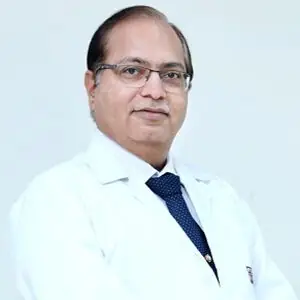
Dr Ramji Mehrotra
Cardiac Surgeon
MBBS, MS, MCh (CTVS), Fellowship- Cardiac Surgery, Harvard Medical School, Boston, USA
New Delhi
Dr. Ramji Mehrotra is a prominent figure in Cardio Thoracic and Vascular Surgery (CTVS), and one of the best cardiac surgeons in India, boasting over 28 years of extensive experience. He is renowned for his expertise in Beating Heart Surgery, Total Arterial CABG, and has a legacy of numerous successful procedures. He has a record pf performing more than 18,000 cardiovascular surgeries and 3000+ pediatric surgeries.
Currently serving as the Vice Chairman and Chief of the Cardio Thoracic and Vascular Surgery (CTVS) Department at BLK Super Speciality Hospital in New Delhi, Dr Mehrotra has been associated with numerous prestigious institutions, including Harvard Medical School affiliates such as Boston Children’s Hospital and Brigham & Women’s Hospital in Boston, USA, as well as Fortis Escorts Heart Institute and Indraprastha Apollo Hospital in New Delhi, among others.
over 28 years of extensive experience
Dr Mehrotra performs a wide range of cardiac surgeries, with special interest in new age procedures like TAVI / TAVR, Surgeries for Heart Failure- LVAD, Heart Transplantation etc.
18,000 cardiovascular surgeries and 3000+ pediatric surgeries
Harvard Medical School affiliates such as Boston Children’s Hospital and Brigham & Women’s Hospital in Boston, USA
https://www.MediTraWell.com/tavi-procedure-cost-in-india/
Best Cancer Hospitals in India
These are our top cancer hospitals in India, ensuring you receive the healthcare you deserve.
Fortis La Femme, Vasant Kunj, Delhi
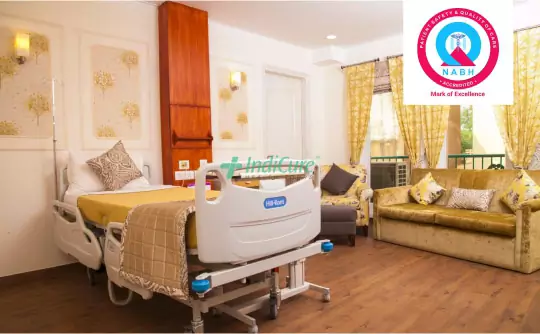
Location: Delhi
Speciality: Multi-Superspeciality
Accreditation: Accreditation : National Accreditation Board for Hospitals & Healthcare Providers (NABH)
No. of Beds: Beds : 38
Fortis La Femme, founded in 2004, is a multi-specialty hospital that provides care for all periods of a woman’s life, including birth, motherhood, menopause, and beyond. The hospital was named the winner of the ‘Most Popular Maternity Hospitals’ category in Child magazine’s Most Popular Awards 2013. More than 11,000 deliveries and 7,500 Gynaecology operations have been performed. https://www.meditrawell.com/best-gynecology-treatment-india/ Gynaecology
Madhukar Rainbow Children’s Hospital, Delhi
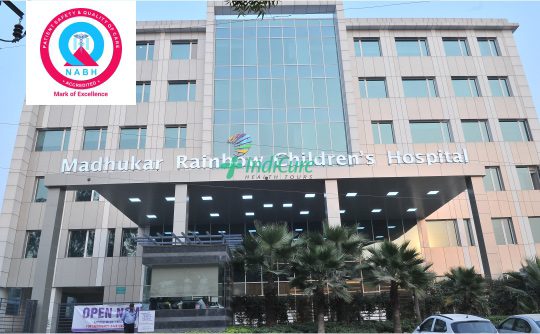
Location: New Delhi
Speciality: Multi-Superspeciality
Accreditation: Accreditation : National Accreditation Board for Hospitals & Healthcare Providers (NABH)
No. of Beds: Beds : 150
Madhukar Rainbow Children’s Hospital is a 150-bed multi-specialty hospital in Malviya Nagar, New Delhi, that was founded in 2018. It is approved by the National Accreditation Board for Hospitals and Healthcare Providers (NABH). In 2010, ‘CNBC, TV 18, ICICI Lombard at India HealthCare Awards’ named Rainbow Children’s Hospital ‘Best Children’s Hospital in the Country.’ Vice President Mr M. Venkaiah Naidu inaugurated the facility, which is the first standalone pediatric hospital in the NCR Delhi that is planned, equipped, and staffed only to treat children and adolescents under one roof. In 2010, ‘CNBC, TV 18, ICICI Lombard at India HealthCare Awards’ named Rainbow Children’s Hospital ‘Best Children’s Hospital in the Country.’ It features a team of well-trained technicians, highly experienced medical specialists, and personnel who look after the patients to assure their safety. A team of best pediatric surgeons in India, including pediatric neurologists, neurosurgeons, developmental pediatricians, and other medical specialists provide comprehensive care and services for children with problems of the brain, spinal cord, nerves, and muscles. For newborns, babies, and children, senior specialists are available 24 hours a day, 7 days a week to provide services such as advanced endoscopic and limited access operations. https://www.meditrawell.com/best-pediatric-surgeon-india/ best pediatric surgeons in India
What is Balloon Valvuloplasty?
Balloon valvuloplasty is a cardiac procedure that uses a catheter with a balloon at the tip to open up stenotic or stiffened heart valves (such as the aortic or mitral). Balloon valvotomy is another term for this procedure. It is a less invasive treatment because the valve is replaced percutaneously rather than through cardiothoracic surgery or other open methods.
A tiny flexible tube (catheter) is introduced into the heart through an artery in the groin or arm and threaded into the heart by the cardiologist. A balloon device on the catheter’s tip is swiftly inflated when the tube reaches the constricted mitral valve. As the balloon presses on the restricted or fused mitral valve leaflets, they are split and expanded open. This procedure enlarges the aperture of the mitral valve, allowing more blood to flow from the left atrium to the left ventricle.
Balloon valvotomy has several types, depending upon which heart valve is involved for example:
- Percutaneous balloon tricuspid valvuloplasty
- Percutaneous balloon pulmonary valvuloplasty
- Percutaneous balloon mitral valvuloplasty
- Percutaneous balloon aortic valvuloplasty
This procedure is done to improve blood flow through a heart valve. Better blood flow will relieve symptoms. For most, the improvement will last at least 2 years.
When is Balloon Valvuloplasty required?
If you have significant stenosis and the structure of your mitral valve appears to be repairable with a valvotomy, a balloon valvotomy may be indicated. To determine if a valvotomy is correct for you, your doctor will look at a few other factors. These factors include your overall health and whether or not you are experiencing any symptoms.
If you have blood clots in the left atrium, a lot of calcium accumulation on the mitral valve, or moderate to severe mitral valve regurgitation, balloon valvotomy is not a good option.
How is Balloon Valvuloplasty done?
Step 1
The procedure begins with the cardiologist making a precise and carefully measured incision into either an artery or a vein located within the groin region of the patient’s body. This incision is typically small and meticulously placed to ensure optimal access for the subsequent steps of the procedure.
Step 2
Following the initial incision made by the cardiologist, the medical team proceeds by using a catheter into the incised artery or vein. Then the team carefully guides the catheter through the artery, directing it toward the heart and specifically targeting the problematic valve that requires intervention.
Step 3
At the tip of the catheter is a large, inflatable balloon. Upon arriving at the site of the affected valve, the surgical team then inflates the balloon, expanding the narrowed or compromised valve. This action effectively widens the obstructed valve opening, allowing for improved blood flow through the heart.
What is the Recovery after Balloon Valvuloplasty like?
You may be transferred to the recovery room for observation after the surgery. You will be required to lie flat in bed for many hours. Your vital signs, the insertion site, and circulation and sensation in the affected limb or arm will all be monitored by a nurse.
Pain medication is administered as-needed. To assist flush the contrast dye from your body, you will be encouraged to drink water and other fluids. At the injection area, there will be a little knot or lump under the skin. This is very normal. Over the course of a few weeks, the knot should fade away. You would be able to resume daily activities in a week to ten days and rigorous activities after about 4-6 weeks.
Some patients will continue to take anticoagulant medications for months or years after the surgery and will have regular blood tests to monitor the effectiveness of the medication.
What Results Can I Expect from Balloon Valvuloplasty?
Balloon valvotomy improves the valve’s regular function in allowing blood to pass through the heart. Symptoms are relieved as blood flow improves. The left atrium’s blood pressure drops, which helps reduce the symptoms of lung congestion. The benefits can last decades. The quality of life also improves because patients no longer have difficulty breathing or palpitations.
Questions you must ask
Here is a set of questions you should consider asking before commencing your journey for Balloon valvuloplasty in India.
- Is the plastic surgeon board-certified?
- How experienced is the surgeon?
- Which language does the surgeon speak?
- Is the treatment done in a well-equipped facility?
- Is it possible to see before and after photographs?
- What will be expected of me to get the best results?
- What about the risks involved?
- How long will the recovery period be?
- Can I have feedback from real people?
Be ready to respond about:
- Medical history and exams
- Previous surgeries
- Current medication review
- History of smoking, drugs, or alcohol
- Pictures of target areas
- Surgical expectations