
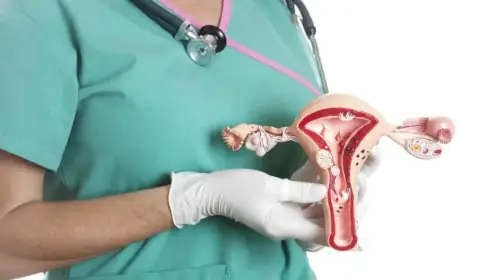
Myomectomy Cost in India
Last updated: April 25, 2026
Starting from USD 3,200
Myomectomy Cost in India starts from US $3,200 and varies depending on the type of surgical approach, your medical history, surgeon, hospital and the city where you choose to get the surgery done.
INCLUDES
- Surgery
- Stay at the Hospital
- Pre-operative Investigations
- Medicines, Consumables
- Food at the hospital
- Airport Transfers
- MediTraWell assistance
DOES NOT INCLUDE
- Accommodation outside the Hospital
- Air tickets
- Medical Visa fee
STAY REQUIRED
- Stay at the Hospital - 1 to 2 days
- Stay at the Hotel - 7 to 8 days
- Stay in India - 8 to 10 days
With end to end services for your hassle-free Gynecology Treatment in India, MediTraWell has made the entire process of seeking medical tourism in India easy and hassle free for you besides making it affordable.
Factors that affect Myomectomy Cost in India
- Gynecologist’s Fees
An important expense when it comes to your Myomectomy is going to be your gynecologist’s fees. IndiCure recommends experienced, skilled, board-certified surgeons who are capable of delivering successful surgeries. The charges may vary depending on the experience of the surgeon, popularity, and the approach to treatment.
- Technique of Surgery
There are different techniques to perform myomectomy, viz Abdominal, Hysteroscopic or Laparoscopic. Depending on your age, medical condition and other considerations, your doctor may advise the best option for you, which affects the myomectomy cost in India to a great extent.
- Type of Surgical Approach
A significant portion of the overall cost of the surgery arises from the use of any customized surgical instruments or specialized technology. With the hopes of improving patient care, new techniques and technologies are often introduced to the surgical process. Such innovative advancements in the surgical approach can increase costs.
- Surgical Facility
Having your Myomectomy in an accredited surgical facility by skilled and qualified medical staff is a critical factor. Moreover, the geographical location of this facility also affects the initial quote. But, IndiCure provides you with a projected estimate that will be affordable.
- Surgery-Related Expenses
The surgery-related expenses include the pre- and post-surgical expenses. The pre-surgical expenses are associated with the candidacy and the medical history of the patient. This also includes the routine medical exams and tests to ensure you’re a good fit for the surgery. Post-surgical expenses may include prescription medications and follow-up consultations.
We at MediTraWell, understand that you travel with a budget in mind and do not like to be greeted by surprises after arrival in India. We thus club all these expenses and give you a package cost that is inclusive and affordable at the same time.
Your case manager shall give you an estimated cost of your surgery after discussing your medical reports with the surgeon. The final cost, however, shall be confirmed after your consultation with the surgeon.
Medi Trawell Services
Making Medical Travel to India Affordable & Hassle-free for 15+ Years

We Help you Choose the Right Treatment, Surgeon & Hospital

We Arrange Video/Telephonic Consultation with the Surgeon

We Assist you with Visa & Accommodation

We Receive you at the Airport and Drop you at Hotel/Hospital

We Assist you the at Hospital & Provide Post Operative Support
Our services are FREE for our patients.
In fact, we have Special Negotiated Rates with the Hospitals and you can avail Discounted Rates when you choose to Travel with MediTrawell. Container
Gynecology Procedures
- Abdominal hysterectomy
- Ablation therapy
- Amniotic band release surgery
- Anal sphincter repair
- Antepartum care
- Artificial anal sphincter implantation
- Assisted reproductive technology
- Birth control pills
- Bladder prolapse (cystocele) repair
- C-section
- Cervical cerclage
- Chorionic villus sampling
- CO-2 laser treatment
- Colposcopy
- Conization
- Contraceptive implant
- Cordocentesis
- Cystourethroscopy
- Cytoreductive surgery
- Diagnostic hysteroscopy
- Diagnostic laparoscopy
- Dilatation & Curettage
- Endometrial ablation
- Endometriosis surgery
- Enterocele repair
- Facial feminization surgery
- Female hormone replacement therapy
- Fertility preservation
- Fertility sparing surgery
- First trimester screening
- Genetic amniocentesis
- Hysteroscopy
- Intrauterine transfusion
- IUDs
- Laparoscopic radiofrequency ablation
- Laser therapy for vaginal atrophy
- Loop electrosurgical excision procedure
- Midurethral sling
- Minimally invasive hysterectomy
- Minimally invasive surgery
- Minimally invasive surgical staging
- Myomectomy
- Oophorectomy (ovary removal surgery)
- Ovarian remnant removal
- Ovarian tissue cryopreservation
- Pap smear
- Pelvic exam
- Pelvic exenteration
- Pelvic floor physical therapy
- Pelvic floor re-education
- Pelvic floor reconstruction
- Percutaneous tibial nerve stimulation
- Pessary fitting
- Pessary management
- Polypectomy
- Post-hysterectomy vaginal prolapse repair
- Prenatal drug exposure counseling
- Prenatal screening
- Radiofrequency ablation
- Rectocele repair
- Rectovaginal fistula repair
- Robotic hysterectomy
- Robotic myomectomy
- Robotic surgery
- Sacral nerve stimulation
- Sentinel node biopsy
- Trachelectomy
- Tubal ligation
- Tubal ligation reversal
- Urethral diverticulum surgery
- Urethral reconstruction
- Urinary bladder training
- Urodynamic evaluation
- Uterine prolapse surgery
- Vaginal birth after cesarean (VBAC)
- Vaginal delivery
- Vaginal hysterectomy
- Vaginectomy
- Vesicovaginal fistula repair
- Vulvectomy
Best cardiologist in India

Dr. Shafalika S B
Gynecologist And Obstetrician
MBBS, DGO, Fellowship in Gynecologic Laparoscopy, FMIS, DNB (Obs & Gyne)
Bangalore
Dr. Shafalika S B is one of the handfuls of surgeons in the country who has been practicing minimally invasive gynecology and holds rich clinical experience in advanced Hysteroscopic and laparoscopic surgeries.
Fellowship in Minimally invasive gynecology surgery from Bangalore Endoscopic Surgery Training Institute
She is a medical graduate from Bangalore medical college and then did the Fellowship in Minimally invasive gynecology surgery from Bangalore Endoscopic Surgery Training Institute. During this tenure, Dr. Shafalika has been instrumental in providing laparoscopic surgery training to numerous gynecologists from all regions of India. She has written many chapters in the medical textbooks and has presented several research papers at national and international conferences.
Her areas of expertise include Laparoscopic hysterectomy, Laparoscopy for Endometriosis, Hysteroscopic polypectomy, Laparoscopic Fibroid Removal, Laparoscopic Hysterectomy, Laparoscopy For Ovarian Cysts, Laparoscopic Sterilization, Laparoscopy For Prolapse, Laparoscopic Tubal Recanalization, Hysteroscopy, Hysteroscopic Myomectomy
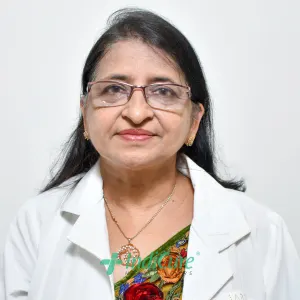
Dr. Nutan Agarwal
Gynecologist & Obstetrician
MBBS, MD (Obstetrics & Gynecology), MNAMS, FICOG, FICMCH, FIMSA, FGSI
Gurgaon
Dr. Nutan Agarwal is a renowned Obstetrician and one of the leading gynecologist with over 35 years of experience in the field. She was a professor at the prestigious All India Institute of Medical Sciences’ Department of Obstetrics and Gynecology in New Delhi.
Dr. Nutan Agarwal is an astute physician, a capable surgeon, and a capable educator. She has a lot of expertise operating cases both laparoscopically and conventionally. She has effectively managed and operated difficult cases in her profession that were referred from all around the country.
She developed a breakthrough preterm labor therapy called “Intraamniotic surfactant therapy,” which has saved the lives of preterm babies and earned her a national prize. She has also pioneered the use of Metformin and myoinositol in the treatment of PCOS for the first time in India. She is one of only a few specialists that began ablation in multiple pregnancies.
She is a pioneer in the establishment of numerous medical treatments for abnormal uterine bleeding, and she has created and prepared recommendations for the same in an Indian perspective, which have been followed by others.
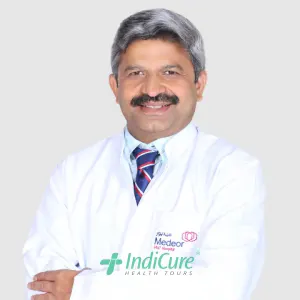
Dr. Anil Magdum
Gynecologist & Obstetrician
MBBS, DNB, DGO, FMIS, FIGO
Mumbai
Dr Anil Magdum is amongst the most experienced laparoscopic gynecologists possessing vast experience spanning over 17 years in this field.
His areas of expertise include Myomectomies, laparoscopic conservative sling surgery for prolapse uterus, laparoscopic abdominal Encirclage, laparoscopic internal iliac, laparoscopic radical hysterectomy, pelvic lymphadenectomy, diagnostic and operative Hysteroscopic procedures, laparoscopic reversal of tubal sterilization surgeries etc.
He has to his credit more than 6500 operative and diagnostic laparoscopic procedures comprising more than 1600 total laparoscopic hysterectomies. He was part of the team who executed the first successful amino patch procedure for preterm pre-labour rupture of membranes at 18 weeks of gestation in Kerala, India.
Best Cancer Hospitals in India
These are our top cancer hospitals in India, ensuring you receive the healthcare you deserve.
Cloud Nine Hospital, Mumbai

Location: Mumbai
Speciality: Gynecology & Pediatrics
Accreditation: Accreditation : National Accreditation Board for Hospitals & Healthcare Providers (NABH)
Loading...
The Cloud Nine Hospital specializes in IVF, Gynecology and Pediatrics. The clinic has 2 branches in Mumbai- Malad & Vashi. The hospital started its services in 2015 in Malad as a fertility hospital with an emphasis on assisting patients throughout the full pregnancy process, from conception to delivery and child care. Other than Assisted Reproductive Technology (ART), the hospital provides services in gynecology, pediatrics, physiotherapy, nutrition and dietetics, stem cell banking, acute care, cosmetology, neonatal care, breastfeeding assistance, and other related services. Video consultation, home vaccination, sample collection from home, home delivery of medications, online consultation, flu shots at home, and online consultation for breastfeeding and mental health are among the additional options available. It is a leading supplier of prenatal physical therapy.
Apollo Cradle Maternity & Children’s Hospital, Jubilee Hills, Hyderabad
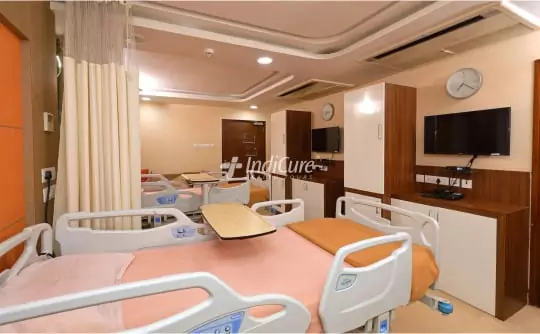
Location: Hyderabad
Speciality: Gynecology, IVF & Pediatrics
Loading...
Loading...
Apollo Cradle Maternity & Children’s Hospital Jubilee Hills is known as a Centre of Excellence in Women’s and Children’s care. It is a member of the Apollo Group of Hospitals, which strives to make high-quality, international healthcare accessible to everyone. Gynecology and Obstetrics, Maternity, Pediatrics, Neonatology, Fetal Medicine, High-risk Pregnancy, and Fertility are among the hospital’s specialties. This Hospital embodies its three core concepts, namely clinical quality, personalized care, and state-of-the-art infrastructure, with attractively designed furnishings and a welcoming ambiance.
What is Myomectomy?
The surgical excision of uterine fibroids is known as myomectomy, or fibroidectomy. Fibroids are benign, noncancerous growths that frequently, but not always, occur during reproductive years. The size, location, and number of fibroids present determine the severity of the symptoms.
When is Myomectomy required?
If you have fibroids that are bothering you or interfering with your daily activities, your doctor may consider a myomectomy.
If you need surgery for uterine fibroids, there are several reasons to opt for a myomectomy rather than a hysterectomy:
- You want to start a family
- Uterine fibroids may be interfering with your fertility
- Your uterus is something you want to retain
How is Myomectomy done?
There are three main ways to remove fibroid tumors surgically. The best option for you is determined by the location of the fibroids, the number of fibroids present, and the size of the fibroids. The following are the many types of myomectomy surgeries:
Abdominal Myomectomy
If you have several or extremely big fibroids growing in your uterine wall, an abdominal myomectomy may be the best option for you. During the surgery, you will be put under general anesthetic and will be sleeping. To reach the uterus and remove the fibroids, the surgeon will create a three- to four-inch long incision in the lower abdomen. Depending on the size and location of the fibroids, longer incisions may be required. After that, the uterus and skin are sewn shut. Following an abdominal myomectomy, most patients spend two to three days in the hospital.
Laparoscopic Myomectomy
If you have smaller and fewer fibroids, a laparoscopic myomectomy may be a better option. You will be put under general anesthesia for this treatment. At the belly button, bikini line, and around each hip, four small incisions of about 12″ each are made. The abdominal cavity is subsequently expanded with carbon dioxide gas, and a laparoscopy, or illuminated microscope, is introduced. The microscope allows the surgeons to examine the uterus and other reproductive organs as well as manipulate the equipment used to remove the fibroids from the other incisions. In many situations, this treatment is carried out with the assistance of a robotic arm that is controlled by a computer by the surgeon. Patients usually stay at the hospital for one day before returning home.
Hysteroscopic Myomectomy
This procedure is used to remove fibroids that have protruded considerably into the uterine cavity (submucosal fibroids). External incisions are not required for hysteroscopic myomectomy. During the procedure, you may be given either local or general anesthetic. You’ll lie down on your back with your feet in gynecological stirrups once the surgery begins. A tiny telescope is placed into the uterus through the cervix. The fluid will be introduced to separate the uterine walls, and the fibroids will be “shaved” off with a wire loop by the surgeon. This procedure is done as an outpatient procedure. You will be admitted to the hospital for observation for a few hours before being discharged the same day.
What is the Recovery after Myomectomy like?
The amount of time it takes to recuperate from a myomectomy operation is determined by the type of myomectomy performed. The following are the average healing times:
Abdominal Myomectomy– Most patients stay in the hospital for two to three days after having an abdominal myomectomy. There is an additional five-week rehabilitation period after being released.
Laparoscopic Myomectomy – This surgery usually only requires the patient to stay in the hospital for one night. It will take another three weeks to recover at home.
Hysteroscopic Myomectomy – This is an outpatient treatment. Most patients are able to return home the same day and only require a few days of rest to fully recover.
Following any type of myomectomy, you may have some discomfort. Until the incision is completely healed, heavy weight lifting should be avoided. To alleviate the discomfort, your doctor may prescribe medication. Following the operation, patients may endure spotting for days or even weeks.
Consult your doctor to establish when it is safe to resume sexual activity, as well as when it is safe to resume attempting to conceive.
What Results Can I Expect from Myomectomy?
Myomectomy may result in the following outcomes:
Reduced Symptoms– Most women enjoy alleviation from troublesome signs and symptoms after myomectomy surgery, such as heavy menstrual bleeding and pelvic pain and pressure.
Improved Fertility– Within a year following surgery, women who receive a laparoscopic myomectomy with or without robotic assistance had an excellent pregnancy outcome. To give your uterus time to heal after a myomectomy, you should wait three to six months before trying to conceive.
Questions to Ask
We at IndiCure completely understand your concerns and it is always our endeavor to provide the best outcome for every patient. Following is the list of questions you must ask before you embark on your journey for Myomectomy in India.
- Is it time for Myomectomy?
- Is the surgeon board certified?
- How experienced is the Surgeon?
- Which language does the surgeon speak?
- Is the treatment done in a well-equipped facility?
- Can you give me any information on outcomes and complication rates?
- How much pain can I expect, and how will it be managed in the hospital and after I go home?
- What treatment option is recommended for me?
- What about the risks involved?
- Does the surgeon use a certified anesthetist?
- How long will the recovery period be?
Preparation for the Surgery
Prepare to answer questions about your:
- Medical history and exams
- Previous surgeries
- Current medication review
- History of smoking, drugs, or alcohol