Brain Tumor Surgery Cost in India
Last updated: May 3, 2026
Starting from USD 4,900
INCLUDES
- Surgery
- Stay at the Hospital
- Pre-operative Investigations
- Medicines, Consumables
- Food at the hospital
- Airport Transfers
- MediTraWell assistance
DOES NOT INCLUDE
- Accommodation outside the Hospital
- Air tickets
- Medical Visa fee
STAY REQUIRED
- Stay at the Hospital - 1 to 2 days
- Stay at the Hotel - 7 to 8 days
- Stay in India - 8 to 10 days
Factors that Affect Brain Tumor Surgery Cost in India
- Neurosurgeon’s Fees
A key factor in the brain tumor surgery cost in India is the neurosurgeon’s fee. IndiCure connects you with highly skilled, board-certified neurosurgeons known for delivering exceptional outcomes. While fees may vary based on the surgeon’s expertise, you can be assured that with IndiCure, you’re choosing affordable treatment without compromising on safety or quality for your brain tumor surgery in India.
- Type of Treatment Required
There are several treatment options available for brain tumor surgery. While one patient may require a craniotomy, another might benefit from gamma knife or proton therapy. As a result, the brain tumor surgery cost in India varies based on the procedure, your medical condition, and other individual factors.
- Your Choice of Surgical Facility
Selecting an accredited medical facility with a skilled neurosurgeon and qualified medical staff is essential for the success of your brain tumor surgery in India. Larger cities in India generally provide superior medical facilities and more experienced surgeons, leading to higher costs. IndiCure Health Tours recommends surgical facilities in these larger cities to prioritize quality of care and ensure patient safety of our international guests.
- Surgery-Related Expenses
The surgery-related expenses include the pre- and post-surgical expenses. The pre-surgical expenses are associated with the age and medical condition of the patient and thus the number and type of investigations required. Post-surgical expenses may include prescription medications and follow-up consultations.
We at MediTraWell, understand that you travel with a budget in mind and do not like to be greeted by surprises after arrival in India. We thus club all these expenses and give you a package cost that is inclusive and affordable at the same time.
Your case manager shall give you an estimated cost of your surgery after discussing your medical reports with the surgeon. The final cost, however, shall be confirmed after your consultation with the surgeon.
Medi Trawell Services
Making Medical Travel to India Affordable & Hassle-free for 15+ Years

We Help you Choose the Right Treatment, Surgeon & Hospital

We Arrange Video/Telephonic Consultation with the Surgeon

We Assist you with Visa & Accommodation

We Receive you at the Airport and Drop you at Hotel/Hospital

We Assist you the at Hospital & Provide Post Operative Support
Our services are FREE for our patients.
In fact, we have Special Negotiated Rates with the Hospitals and you can avail Discounted Rates when you choose to Travel with MediTrawell. Container
Best Neurosurgeons in India
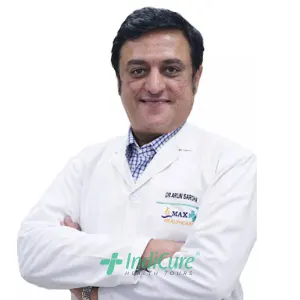
Dr. Arun Saroha
Brain & Spine Surgeon
MBBS, MS (Surg), MCh (Spine and Brain)
Gurgaon
Dr. Arun Saroha specializes in brain and spine surgeries. He has a rich experience of more than 20 years and has to his credit over 8000 brain and spine surgeries which he has performed at some of the best hospitals in India.
After earning his MS from RNT Medical College in Udaipur, he went on to the prestigious PGI Chandigarh to pursue his MCh (Neurosurgery). He is a visiting professor at a number of prestigious institutions, including Nigeria’s Ferdinand Church University and Baghdad University in Baghdad. Dr. Arun’s areas of specialization include brain tumor surgery, brain aneurysms, spine surgery, spine instrumentation surgery, and head injury management.
Dr. Saroha has been honored by Dr. Harshvardhan- the Union Cabinet Minister for his flawless services and contribution in bringing a large number of International patients to the Indian Shore and expanding the horizons of Brain and Spine surgery.
He has a rich experience of more than 20 years and has to his credit over 8000 brain and spine surgeries
He is a visiting professor at a number of prestigious institutions, including Nigeria’s Ferdinand Church University and Baghdad University in Baghdad.
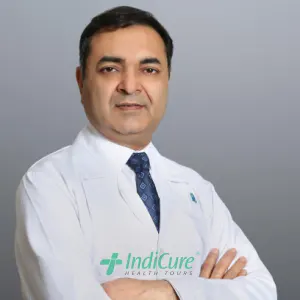
Dr. Sudheer Tyagi
Brain & Spine Surgeon
MBBS, MS, MCh (Neurosurgery)
New Delhi
Dr. Sudheer Tyagi has a rich experience of more than two decades. He is a medical graduate and further trained in neuro and spine surgery at the prestigious medical institute All India Institute of Medical Sciences (AIIMS), Delhi.
His patients significantly benefit from his skills and proficiency in all types of spine procedures. His skills in spinal instrumentation at all levels from cervical occipital to lumbosacral regions facilitate results as per international standards.
He had further undertaken specialized training under Professor Vinco Dolence- a world authority in the field of neurovascular surgery at the Clinical Centre Ljubljana, Slovenia.
He is an expert at cranio-vertebral junction Surgeries, Cervical and Lumbar Microsurgical discectomy, spinal tumor surgeries, spinal instrumentation for all levels comprising cervico-occipital region to Lumbosacral regions.
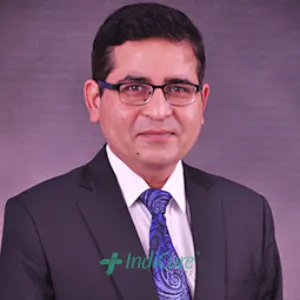
Dr. Ajay Bajaj
Neurosurgeon
MBBS, MS (Surg), MCh (Neurosurgery)
Mumbai
Dr. Ajay Bajaj has to his credit thousands of spine surgeries which include surgery for the cervical disc, lumbar disc, spinal dysraphism, spinal fractures, and spinal cord tumors.
He has extensive experience and competency in performing microvascular surgery and minimally invasive surgery for the spine and brain. His skills in this field have gained him tremendous repute as a spine surgeon.
He had performed landmark surgeries which included the rejuvenation of chronically paralyzed limbs of a 75 years old Nigerian lady. He has also been allied to several associations like the Congress of Neurological Surgeons, Association of Surgeons of India, Neurotrauma Society of India, and Neurological Society of India.
Best Neurosurgery Hospitals in India
Batra Hospital & Medical Research Centre, New Delhi
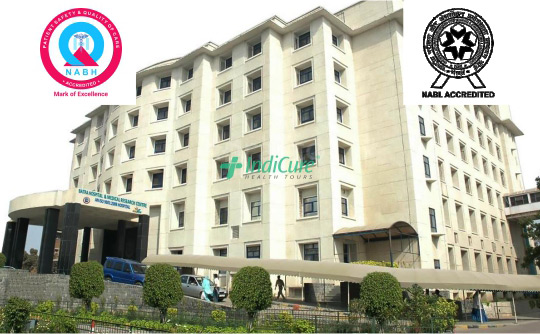
Location: New Delhi
Speciality: Multi-Superspeciality
Accreditation: Accreditation : Joint Commission International (JCI, USA), National Accreditation Board for Hospitals & Healthcare Providers (NABH), National Accreditation Board for Testing and Calibration Laboratories (NABL)
No. of Beds: Beds : 495
Batra Hospital is a well-known multispecialty hospital in Delhi. It is Delhi’s first private multi-specialty hospital, having been founded in 1987 by the Ch. Aishi Ram Batra Public Charitable Trust. It was opened by the late Shri Rajiv Gandhi, India’s Prime Minister at the time. Batra Hospital & Medical Research Centre pledges to serve its patients with efficient, effective, timely, and user-friendly healthcare using the best Medicare practices in a clean, healthy and revitalizing environment. The Neurology, Urology, Ophthalmology, Gastrointestinal, Orthopedic, and Pediatric Surgery Operation Theatre Complex contains seven technologically advanced Operation Theatres. The hospital includes four state-of-the-art Cardiac Surgery Theatres equipped with Trans Esophageal Echocardiography and other Intensive Monitoring equipment to give high-quality care to patients of all ages, from newborns to the elderly. A 64-slice CT scanner has been installed to assess the heart, kidneys, lungs, brain, coronaries, peripheral blood vessels, and all other body organs.
Saifee Hospital, Mumbai
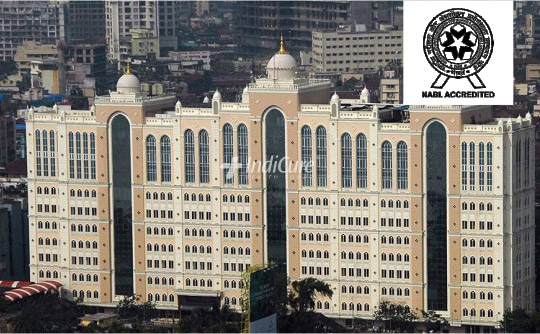
Location: Mumbai
Speciality: Multi-Superspeciality
Accreditation: Accreditation : National Accreditation Board for Testing and Calibration Laboratories (NABL), International Organization for Standardization (ISO)
No. of Beds: Beds : 256
Saifee Hospital was founded in 2005 and is ISO and NABL accredited. There was an old Saifee Hospital that has been in operation since 1948. In 2001, work on a new hospital on the site of an old one began. The new hospital was inaugurated in June 2005 in the presence of Dr. Manmohan Singh, India’s former Prime Minister. This hospital was named after Syedna Mohammad Burhanuddin’s father, Syedna Taher Saifuddin. This multi-specialty hospital offers a wide range of services, from easy Day-care treatments to acute care emergency medicine and sophisticated Cardiac surgery. It has India’s first LASIK (advanced laser eye surgery) suite. It has India’s first LASIK (advanced laser eye surgery) suite. https://www.MediTraWell.com/heart-surgery-cost-india/ https://www.MediTraWell.com/lasik-eye-surgery-cost-india/ Cardiac surgery LASIK
Questions you must ask
Here is a set of questions you should consider asking before commencing your medical tour for Brain Tumor Surgery in India.
- Is it time for a brain tumor surgery?
- Is the surgeon board certified?
- How experienced is the Surgeon?
- Which language does the surgeon speak?
- Is the treatment done in a well-equipped facility?
- Can you give me any information on outcomes and complication rates?
- How much pain can I expect, and how will it be managed in the hospital and after I go home?
- What about the risks involved?
- Does the surgeon use a certified anesthetist?
- How long will the recovery period be?
Be ready to respond about:
Prepare to answer questions about your:
- Medical history and exams
- Previous surgeries
- Current medication review
- History of smoking, drugs, or alcohol
Brain Tumor Surgery in India
A Brain tumor is referred to as an abnormal mass of cells in the brain that have no purpose. In general, tumors occur when cells divide and grow excessively in the body.
There are two types of brain tumors:
- Primary tumors– A primary tumor is a tumor that begins in the brain itself. It can be either benign (that does not contain cancer cells) or malignant (contains cancer cells)
- Secondary or Metastatic tumors– When a cancerous tumor starts elsewhere in the body and sends cells that end up growing in the brain, such tumors are called secondary or metastatic brain tumors.
Brain tumors can occur at any age and the exact cause of having a brain tumor is not clear, but certain risk factors may predispose you to the risk of developing a primary brain tumor. These include;
Family history: Genetic inheritance of the brain tumor increases the risk of brain tumor.
Exposure to radiation: exposure to ionizing radiation like X-ray and radiation therapy increases the risk of brain tumors.
The symptoms of brain tumors depend on their size, type, and location. The most common symptoms of brain tumors are severe and frequent headaches, nausea, vomiting, blurring of vision, loss of peripheral vision or double vision, gradual sensory and motor loss of arms or legs, difficulty in maintaining balance, speech, confusion, seizures, hearing problems and many more.
Brain tumors are named according to their site, type of tissue, and the cell that generates the mass. These can be gliomas, meningiomas, and schwannomas which are most common. The other types of brain tumors are pituitary tumors, ependymomas, and primary lymphoma of the brain.
With the advent of modern technology and advanced surgical modalities, brain tumors are no longer as scary as they used to be a few years ago. With modalities such as Gamma knife, Cyberknife, and Novalis Tx radiosurgery, brain tumors are effectively treated at IndiCure-associated hospitals for brain tumor treatment in India.
The success rate at these hospitals is at par with the best neurosurgery hospitals in the world. Not only the infrastructure is state of the art, but neurosurgeons are highly trained and experienced, and the cost of brain tumor surgery in India at our affiliate hospitals is much more affordable.
Treatment Options for Brain Tumor Surgery
Treatment of the brain tumor depends upon the size, location, and type of the tumor. The following are the most commonly used treatments for brain tumors:
- Pen surgery (Craniotomy): Surgery aims at removing the brain tumors which shall help in decreasing the disabling signs and symptoms. Craniotomy is a common and traditional procedure to access the tumor and remove as much tumor as possible and safely. The open surgery carries the risk of infection, bleeding and other complications like injury to the nearby nerve that may lead to vision loss. But at the same time, removing a tumor through open surgery sometimes becomes essential due to the size and type of the tumor.
- Minimally invasive surgery/ Micro craniotomy: Minimally invasive brain surgery or Micro craniotomy is done using highly advanced technology such as an intraoperative MRI suite. This is done for certain brain tumors deep under the surface of the brain. A small opening, around half an inch in diameter, is used to reach the tumor. Minimally invasive surgery minimizes damage to normal brain tissue overlying the tumor and is much safer than open surgery. However, not all tumors can be removed through this technique and it has its own limitations.
- Neuroendoscopy: Neuroendoscopy is also a minimally invasive surgery technique that uses specialized endoscopes with high-resolution video cameras to perform surgery on the brain. Tumors such as colloid cysts, pituitary tumors, meningiomas, and Craniopharyngioma can be removed using the technique. Various approaches used are endonasal and transsphenoidal removal of the tumor. IndiCure associated best brain tumor hospitals in India has specially trained neurosurgeons who perform these procedures. The advantages of these procedures are smaller incisions and bony openings which result in less scarring, less pain, shorter hospital stay, and quick recovery.
- Stereotactic Radiosurgery: Stereotactic radiosurgery has offered a new ray of hope to patients who cannot undergo traditional surgery either because of their frail health or because the tumor is located in an area that is too risky to access.
- Gamma Knife: Gamma knife is the most used radiosurgery to treat brain tumors. Gamma knife uses multiple beams of radiation to create a highly focused target for delivering the radiation treatment that aims to kill the tumor cells of small areas. Every single beam is not that powerful, but at the point where they converge at the site of the brain tumor, these emit large and powerful doses of radiation that kill the target cells. Gamma knife is the most advanced technology and is very precise in targeting tumor cells. The technology is now widely used as the choice of treatment for certain brain tumors, AVMs, and Trigeminal neuralgia.
- CyberKnife: Cyberknife again is a non-invasive technique to treat complex brain tumors. Cyberknife uses high-energy radiation treatment that delivers very precise beams of radiation from many angles outside the body. The accuracy of Cyberknife is so precise that radiation can be ‘matched’ to the shape of small complex tumors, even those located near critical organs. This ability allows Cyberknife to treat many lesions including many considered inoperable or untreatable with surgery.
- Radiation therapy: Novalis TX Radiosurgery offers new standards in radiosurgery treatment and gives new rays of hope to patients with cancerous and non-cancerous tumors who were otherwise considered inoperable. Novalis tx radiosurgery is non-invasive radiosurgery that offers the most precise delivery of radiation to the targeted area not only in the brain but in other parts of the body as well. It works by delivering a highly focused beam of radiation to the tumor without harming the healthy tissues surrounding the tumor. The technology works by rotating around the patient to deliver treatment beams from virtually any angle in a matter of seconds. Since the treatment time is much less, damage to surrounding tissue is minimal. The sophisticated image guidance and motion management tools provide treating surgeons with detailed information about the size, shape and position of the targeted lesion to guide patient setup and positioning and monitor motion during treatment.
- Tumor Embolization: Neurointerventional Radiology is the amalgamation of the branches of neurology, neurosurgery, and radiology. The neurologist, neurosurgeon, and radiologist work as a team to offer this minimally invasive treatment for the abnormalities of the head, neck, and spine. Neurointerventional radiology provides minimally invasive and effective treatment for problems such as stroke, brain tumors, or aneurysms which otherwise may require a major surgery. The procedure works by cutting off the blood supply to the tumor which causes tumor cells to shrink and eventually die. This is particularly helpful in cases when the tumor is accessible or risky to remove
When is a Brain Tumor Surgery Required?
If you are suffering from symptoms such as frequent headaches, nausea, vomiting, blurring of vision, loss of peripheral vision or double vision, gradual sensory and motor loss of arm or legs, difficulty in maintaining balance, speech, confusion, seizures, hearing problems, you need to see a neurologist immediately. If you are diagnosed with a brain tumor, you need brain tumor surgery as soon as possible.
What is the Recovery after Brain Tumor like?
Recovery depends upon the type of surgery done and the medical condition of the patient. For procedures such as open surgery or Craniotomy, you would stay at the hospital for 8-10 days and recovery would take around 3-4 weeks, while with a non-invasive procedure such as gamma knife or cyberknife, recovery is much faster.
What Results Can I Expect from Brain Tumor Surgery in India?
The result of brain tumor surgery depends upon the size, location, and type of tumors. If the tumor has been completely removed, you can expect to lead a completely normal life, whereas in cases when it is secondary or cancerous, further treatment may be required and results depend upon the prognosis.