Craniotomy Surgery Cost in India
Last updated: May 3, 2026
Starting from USD 4,900
INCLUDES
- Surgery
- Stay at the Hospital
- Pre-operative Investigations
- Medicines, Consumables
- Food at the hospital
- Airport Transfers
- MediTraWell assistance
DOES NOT INCLUDE
- Accommodation outside the Hospital
- Air tickets
- Medical Visa fee
STAY REQUIRED
- Stay at the Hospital - 1 to 2 days
- Stay at the Hotel - 7 to 8 days
- Stay in India - 8 to 10 days
Factors that Affect Craniotomy Surgery Cost in India
- Neurosurgeon’s Fees
A key factor in the Craniotomy surgery cost in India is the neurosurgeon’s fee. IndiCure connects you with highly skilled, board-certified neurosurgeons known for delivering exceptional outcomes. While fees may vary based on the surgeon’s expertise, you can be assured that with IndiCure, you’re choosing affordable treatment without compromising on safety or quality for your Craniotomy surgery in India.
- Patient’s Medical Condition
The patient’s medical condition affects the craniotomy surgery cost in India. Whether the patient has any comorbidities that may require extra or special investigations or may require the length of the hospital stay to increase affects craniotomy surgery cost in India to a great extent. While some costs can be ascertained before the surgery, some are not.
- Your Choice of Surgical Facility
Selecting an accredited medical facility with a skilled neurosurgeon and qualified medical staff is essential for the success of your craniotomy surgery in India. Larger cities in India generally provide superior medical facilities and more experienced surgeons, leading to higher costs. IndiCure Health Tours recommends surgical facilities in these larger cities to prioritize quality of care and ensure patient safety of our overseas guests.
- Surgery-Related Expenses
The surgery-related expenses include the pre- and post-surgical expenses. The pre-surgical expenses are associated with the age and medical condition of the patient and thus the number and type of investigations required. Post-surgical expenses may include prescription medications and follow-up consultations.
We at MediTraWell, understand that you travel with a budget in mind and do not like to be greeted by surprises after arrival in India. We thus club all these expenses and give you a package cost that is inclusive and affordable at the same time.
Your case manager shall give you an estimated cost of your surgery after discussing your medical reports with the surgeon. The final cost, however, shall be confirmed after your consultation with the surgeon.
Medi Trawell Services
Making Medical Travel to India Affordable & Hassle-free for 15+ Years
We Help you Choose the Right Treatment, Surgeon & Hospital
We Arrange Video/Telephonic Consultation with the Surgeon

We Assist you with Visa & Accommodation

We Receive you at the Airport and Drop you at Hotel/Hospital
We Assist you the at Hospital & Provide Post Operative Support
Our services are FREE for our patients.
In fact, we have Special Negotiated Rates with the Hospitals and you can avail Discounted Rates when you choose to Travel with MediTrawell. Container
Questions you must ask
Here is a set of questions you should consider asking before commencing your medical tour for Craniotomy Surgery in India.
- Is it time for a cranioplasty/craniotomy surgery?
- Is the surgeon board certified?
- How experienced is the Surgeon?
- Which language does the surgeon speak?
- Is the treatment done in a well-equipped facility?
- Can you give me any information on outcomes and complication rates?
- How much pain can I expect, and how will it be managed in the hospital and after I go home?
- What about the risks involved?
- Does the surgeon use a certified anesthetist?
- How long will the recovery period be?
Be ready to respond about:
Prepare to answer questions about your:
- Medical history and exams
- Previous surgeries
- Current medication review
- History of smoking, drugs, or alcohol
Best Neurosurgeons in India
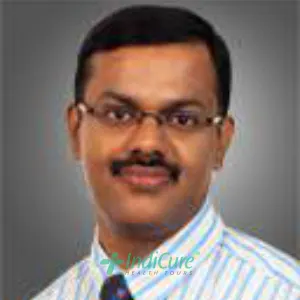
Dr R Raghuram
Neurosurgeon
MBBS, MS, DNB (Neurosurgery), Fellowship in Stereotactic and Functional Neurosurgery, Japan.
Bangalore
Dr Raghuram is one of the best and most renowned neurosurgeons in the country. He has studied at few of the best medical schools in India and has specialized training in advanced brain and spine neurosurgery from Tokyo university, Japan.
He has more than 20 years of experience in the field and has successfully treated many complex cases. He has received Fellowship in Stereotactic and Functional Neurosurgery from Tokyo Medical University, Japan. He is one of the rare neurosurgeon, expertise in advanced surgery for OCD and movement disorders like Deep brain stimulation for Parkinson’s disease and epilepsy surgery.
He had earned profound admiration from his peers owing to his adeptness in conducting neurosurgical and neuro-navigation procedures, dedication towards his patient’s well-being with his great clinical precision. Dr Raghuram has to his credit many academic achievements including 4 gold medals and a best outgoing student award. He has also participated in a number of workshops, conferences and has presented several papers on national and international level, significant being, a paper on DBS for Meige Syndrome in the World Society Meet in 2013 in Tokyo.
has specialized training in advanced brain and spine neurosurgery from Tokyo university, Japan
He has received Fellowship in Stereotactic and Functional Neurosurgery from Tokyo Medical University, Japan.
Dr Raghuram has to his credit many academic achievements including 4 gold medals and a best outgoing student award.
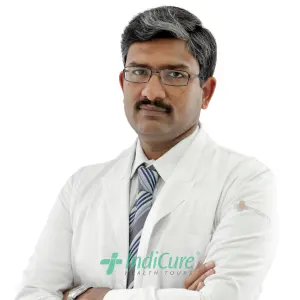
Dr. Aditya Gupta
Neurosurgeon
MBBS, MS, MCh (Nueurosurgery), Fellowship - CJW Medical Centre Richmond, US
New Delhi
Dr Gupta is one of the most accomplished surgeons in the field of Neurosurgery. He has an experience of more than two decades and practices excellent surgical techniques for a wide spectrum of brain and spine diseases.
His area of interest and proficiency includes microsurgery and radiosurgery and he holds expertise in management of patients with Movement Disorders, Epilepsy, Nerve and Brachial Plexus injury, brain aneurysms and Arteriovenous malformations. He also has expertise in all types of Spine surgery.
He has completed his Fellowship in Neurosciences from CJW Medical Centre Richmond, US. He also completed advanced training from University of Amsterdam, Wake Forest University-United States and University of Kiel-Germany. He has had the privilege to be featured on national television on several occasions and evidently one of the best neurosurgeons in India today.
holds expertise in management of patients with Movement Disorders, Epilepsy, Nerve and Brachial Plexus injury, brain aneurysms and Arteriovenous malformations.
Fellowship in Neurosciences from CJW Medical Centre Richmond, US. He also completed advanced training from University of Amsterdam, Wake Forest University-United States and University of Kiel-Germany
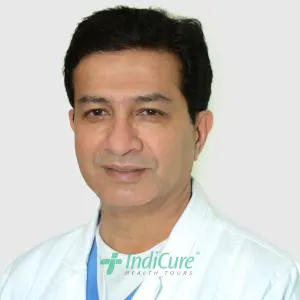
Dr Bipin Walia
Neurosurgeon
MBBS, MS (Gen Surgery), MCh (Neurosurgery)
New Delhi
Dr Bipin S Walia is amongst the finest and renowned neurosurgeon in India. He has performed over 7000 successful neurosurgeries in his career span which earned him a reputable position as few of the best neurosurgeon in India.
He is an executive committee member of AO Spine, India and has been affiliated to various associations like American Association of Neurological Surgeons, Congress of Neurological Surgeons, Asian Congress of Neurological Surgeons and North American Association of Spinal Surgeons.
He is known for his skill and expertise in performing all kinds of brain and spinal surgeries, endoscopic neurosurgery, endoscopic cranial surgery, endoscopic disc surgery, brain tumor surgery and special focus on minimally invasive surgery for spinal tumors.
affiliated to various associations like American Association of Neurological Surgeons, Congress of Neurological Surgeons, Asian Congress of Neurological Surgeons and North American Association of Spinal Surgeons.
Best Neurology Hospitals in India
Fortis La Femme, Richmond Town, Bangalore
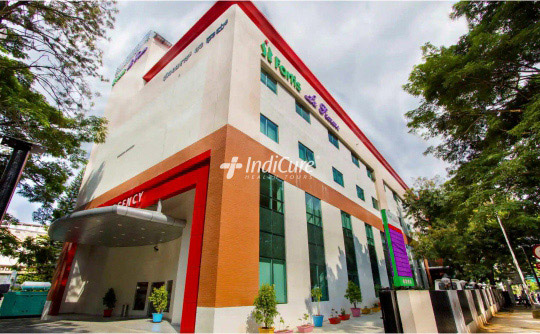
Location: Bangalore
Speciality: Multi-Superspeciality
Accreditation: Accreditation : NABH
No. of Beds: Beds : 72
Fortis La Femme is a 72-bed boutique institution in Richmond Town Bengaluru dedicated to women’s and children’s care. The hospital is India’s top healthcare provider for women at all periods of their lives, including pregnancy, adolescence, motherhood, menopause, and beyond. The hospital defies stereotypes by positioning itself as a comprehensive ‘Women’s Health’ provider. There are a variety of room options available at Fortis La Femme to suit any budget. Room options include General Ward, Twin Sharing, Single Deluxe, Suite, and Presidential Suite. Mamma Mia is known for providing unique prenatal and postnatal care to all expectant women through a variety of services such as Yoga, Lamaze, Exercise, Reflexology, and other services. The hospital also houses the Amaara Human Milk Bank, the world’s first and only non-profit human breast milk bank, which opened in October 2017.
Vijaya Hospital, Chennai
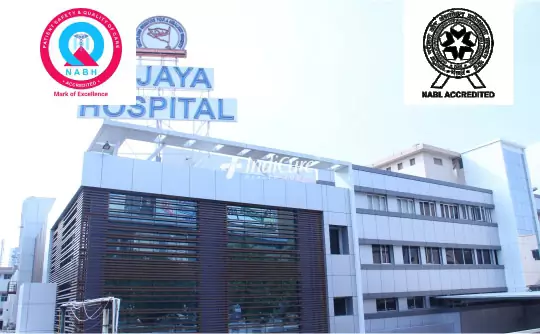
Location: Chennai
Speciality: Multi-Superspeciality
Accreditation: Accreditation : NABH, NABL
No. of Beds: Beds : 750
Vijaya Hospital was one of Chennai’s earliest multi-specialty hospitals, opening in 1972. The Vijaya Medical and Educational Trust (VMET), which was founded by Sri. B. Nagi Reddi, a recipient of the Dada Saheb Phalke award and the creator of Vijaya Vauhini Studios, is a NABL and NABH accredited hospital. Vijaya Eye Foundation, Vijaya Hospital (VH), Vijaya Heart Foundation (VHF), and Vijaya Health Centre make up the trust (VHC). Vijaya Health Centre, which opened in 1987, has performed over 13,000 beating heart surgeries and over 50,000 angiographies.
Craniotomy Surgery in India
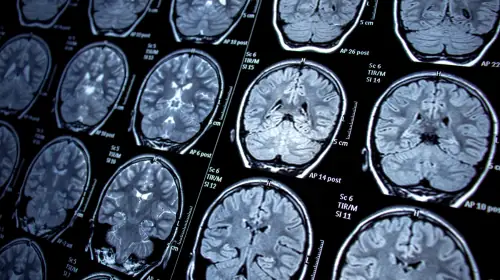
A craniotomy is performed to gain access to the brain for surgery by removing a portion of the skull. After the surgery, the bone that was removed from the skull is usually replaced using sutures or metal plates. An example of a situation where a surgeon may choose to perform a craniotomy is for the removal of a brain tumor.
Craniotomy is indicated in the following cases:
- When a portion of the skull is removed and replaced and in craniectomy the portion of the skull is removed but not immediately replaced.
- To create room for the brain to swell after trauma, to remove the bone due to an infection in the skull or a severely damaged skull with multiple fragments.
A patient can be advised to undergo a craniotomy to accomplish any of the following purposes:
How is Craniotomy Surgery done?
Step 1
You will get a local anesthetic, then the surgeon will carefully cut the skin of your scalp and gently separate it into layers, thereby protecting the dura, which covers the brain. The team cleans the edges of the surrounding bone and prepares the surface so the bone or implant can be positioned properly in the defect, after which it is secured to the cranial bones with screws, plates, or both.
Step 2
Once the bone or implant is securely in place, the surgical team carefully controls any bleeding to ensure a clear and stable operative field. Afterward, they meticulously reposition the scalp to its original location, ensuring a natural and precise alignment. The incision is then closed with durable nylon sutures, chosen for their strength and ability to promote optimal healing.
What is the Recovery after Craniotomy like?
Surgery recovery can take anything from 4 to 8 weeks. After surgery, your wounds (incisions) may be uncomfortable for up to 5 days. Your scalp may swell as a result of the moisture. Numbness and shooting sensations may also occur near the area. Follow your doctor’s orders for bathing and incision care. Take your prescription medication as directed. You can expect to be out of work for at least 6 weeks.
What Results Can I Expect from Craniotomy?
The death rate following scheduled craniotomy surgery is almost Zero.
Patients undergoing planned surgery for brain tumor removal spent an average of 5-6 days in the hospital, with 96 percent being allowed to go home after their stay and only 4% being admitted to a rehabilitation facility.