
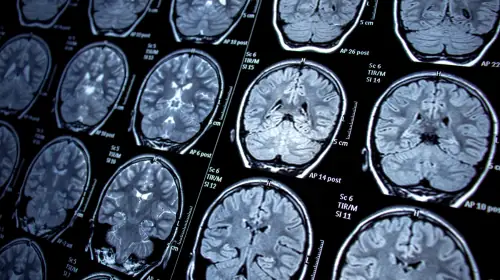
Brain Aneurysm Treatment Cost in India
Last updated: May 3, 2026
Starting from USD 7,000
INCLUDES
- Surgery
- Stay at the Hospital
- Pre-operative Investigations
- Medicines, Consumables
- Food at the hospital
- Airport Transfers
- MediTraWell assistance
DOES NOT INCLUDE
- Accommodation outside the Hospital
- Air tickets
- Medical Visa fee
STAY REQUIRED
- Stay at the Hospital - 1 to 2 days
- Stay at the Hotel - 7 to 8 days
- Stay in India - 8 to 10 days
Factors that Affect Brain Aneurysm Treatment Cost in India:
- Neurosurgeon’s Fees
A significant component of the Brain Aneurysm Treatment Cost in India is the neurosurgeon’s fees. IndiCure recommends highly experienced, skilled, board-certified neurosurgeons who can deliver excellent results. While the charges may vary based on the surgeon’s experience, you can be confident that you are in safe and capable hands when opting for affordable brain aneurysm treatment in India with IndiCure.
- Type of Treatment
Often, the most effective approach to treating a cerebral aneurysm may involve a combination of treatments, including surgery and other therapies. The costs associated with each treatment option can vary. IndiCure advises you to consult with our expert neurosurgeons to thoroughly understand your options.
- Your Choice of Surgical Facility
Selecting an accredited medical facility with a skilled neurosurgeon and qualified medical staff is essential for the success of your brain aneurysm treatment in India. Larger cities in India generally provide superior medical facilities and more experienced surgeons, leading to higher costs. IndiCure Health Tours recommends surgical facilities in these larger cities to prioritize quality of care and ensure patient safety.
- Surgery-Related Expenses
The surgery-related expenses include the pre- and post-surgical expenses. The pre-surgical expenses are associated with the age and medical condition of the patient and thus the number and type of investigations required. Post-surgical expenses may include prescription medications and follow-up consultations.
We at MediTraWell, understand that you travel with a budget in mind and do not like to be greeted by surprises after arrival in India. We thus club all these expenses and give you a package cost that is inclusive and affordable at the same time.
Your case manager shall give you an estimated cost of your surgery after discussing your medical reports with the surgeon. The final cost, however, shall be confirmed after your consultation with the surgeon.
Medi Trawell Services
Making Medical Travel to India Affordable & Hassle-free for 15+ Years

We Help you Choose the Right Treatment, Surgeon & Hospital

We Arrange Video/Telephonic Consultation with the Surgeon

We Assist you with Visa & Accommodation

We Receive you at the Airport and Drop you at Hotel/Hospital

We Assist you the at Hospital & Provide Post Operative Support
Our services are FREE for our patients.
In fact, we have Special Negotiated Rates with the Hospitals and you can avail Discounted Rates when you choose to Travel with MediTrawell. Container
Questions you must ask
Here is a set of questions you should consider asking before commencing your medical tour for Brain Aneurysm treatment in India.
- Is it time for cerebral aneurysm treatment?
- Is the neurosurgeon board certified?
- How experienced is the Surgeon?
- Which language does the surgeon speak?
- Is the surgery done in a well-equipped facility?
- Can you give me any information on outcomes and complication rates?
- How much pain can I expect, and how will it be managed in the hospital and after I go home?
- Is physical therapy necessary after surgery?
- What about the risks involved?
- Does the surgeon use a certified anesthetist?
- How long will the recovery period be?
Be ready to respond about:
Prepare to answer questions about your:
- Medical history and exams
- Previous surgeries
- Current medication review
- History of smoking, drugs, or alcohol
Best Neurosurgeons in India
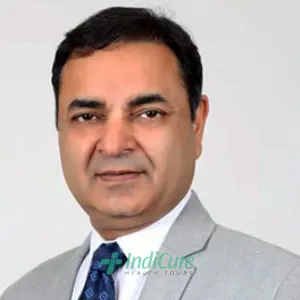
Dr Sudheer Tyagi
Neurosurgeon
MBBS, MS, MCh (Neurosurgery)
New Delhi
Dr. Sudheer Kumar Tyagi is a highly renowned Neurosurgeon in India with more than 20 years’ experience in the field of neurosurgery. He is known for his highly skilled and precise neurosurgical work.
Dr. Tyagi Completed training of Stereotactic Functional Neurosurgery at St. Vincent Hospital Sydney under supervision of Dr. Malcolm Pell at San Francisco USA. His patients have been greatly benefitted from his expertise in all kinds of brain tumor, skull base tumors, functional stereotactic and epilepsy surgeries.
He is an expert in performing brain tumor surgery, aneurysm surgery, epilepsy surgery, endoscopic and minimally invasive spine surgery, minimally invasive microneurosurgery.
Stereotactic Functional Neurosurgery at St. Vincent Hospital Sydney under supervision of Dr. Malcolm Pell at San Francisco USA.

Dr. Sandeep Vaishya
Neurosurgeon
MBBS, MS, MCh, Fellowship, Mayo Clinic, USA
Gurgaon
Dr. Sandeep Vaishya is one of the most skilled and well-known neurosurgeons in India. He has been connected with some of India’s leading hospitals for over 22 years and has a flourishing practice.
Dr. Vaishya earned his MBBS and MS degrees from Gwalior’s prestigious G R Medical College. After that, he completed his M.Ch. at the reputed AIIMS in Delhi. He is also a proud awardee of the Sundt Fellowship at Mayo Clinic, USA.
Intracranial Brain Tumor Surgery, Deep Brain Stimulation Surgery, Minimally Invasive Brain and Spine Surgery, Image Guided Neurosurgery, Brachial Plexus Surgery, and Spine Surgery are among the areas of his expertise. The popular Netflix documentary Rooting for Roona highlighted Dr. Vaishya’s treatment for Hydrocephalus.
M.Ch. at the reputed AIIMS in Delhi. He is also a proud awardee of the Sundt Fellowship at Mayo Clinic, USA.
He is a world-renowned surgeon treating brachial plexus injuries and a pioneer in Gamma Knife surgery in South Asia.

Dr. Aditya Gupta
Neurosurgeon
MBBS, MS, MCh (Nueurosurgery), Fellowship - CJW Medical Centre Richmond, US
New Delhi
Dr Gupta is one of the most accomplished surgeons in the field of Neurosurgery. He has an experience of more than two decades and practices excellent surgical techniques for a wide spectrum of brain and spine diseases.
His area of interest and proficiency includes microsurgery and radiosurgery and he holds expertise in management of patients with Movement Disorders, Epilepsy, Nerve and Brachial Plexus injury, brain aneurysms and Arteriovenous malformations. He also has expertise in all types of Spine surgery.
He has completed his Fellowship in Neurosciences from CJW Medical Centre Richmond, US. He also completed advanced training from University of Amsterdam, Wake Forest University-United States and University of Kiel-Germany. He has had the privilege to be featured on national television on several occasions and evidently one of the best neurosurgeons in India today.
holds expertise in management of patients with Movement Disorders, Epilepsy, Nerve and Brachial Plexus injury, brain aneurysms and Arteriovenous malformations.
Fellowship in Neurosciences from CJW Medical Centre Richmond, US. He also completed advanced training from University of Amsterdam, Wake Forest University-United States and University of Kiel-Germany
Best Neurology Hospitals in India
Institute of Liver & Biliary Sciences, New Delhi
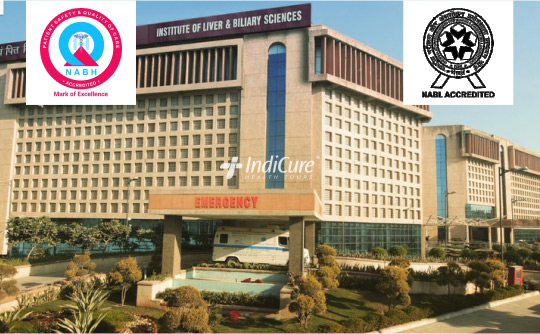
Location: New Delhi
Speciality: Multi-Superspeciality
Accreditation: Accreditation : National Accreditation Board for Hospitals & Healthcare Providers (NABH), National Accreditation Board for Testing and Calibration Laboratories (NABL)
No. of Beds: Beds : 180
The Institute of Liver and Biliary Sciences (ILBS) was founded by the Government of the National Capital Territory (NCT) under the Societies Registration Act – 1860 and is NABH and NABL accredited. The Public Works Department laid the foundation stone in 2003 and finished the first phase of ILBS in 2009. It was established by the Delhi government for the diagnosis and treatment of liver and biliary illnesses, as well as advanced training and research in the field. This liver and biliary hospital is the country’s first of its type and one of the best hospitals in New Delhi.
Indian Spinal Injuries Centre, New Delhi
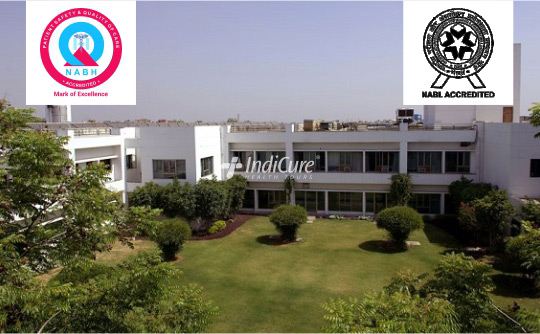
Location: New Delhi
Speciality: Multi-Superspeciality
Accreditation: Accreditation : National Accreditation Board for Hospitals & Healthcare Providers (NABH), National Accreditation Board for Testing and Calibration Laboratories (NABL)
No. of Beds: Beds : 145
The Indian Spinal Injuries Centre, which is NABH and NABL accredited, is India’s most advanced Spine surgery, Orthopaedic, and Arthroscopic Surgical Centre. Every year, it treats nearly 200,000 patients from 55 countries. It has state-of-the-art facilities and a highly qualified team of doctors who have received training at premier Indian and foreign institutes. The Indian Spinal Injuries Centre has cutting-edge technology for treating all forms of spinal injuries. It features a dedicated staff of internationally qualified and renowned spine surgeons who use cutting-edge medical and surgical technology, making it one of its kind and one of the best hospitals in New Delhi.
Cerebral Aneurysm
An aneurysm is a bulging or ballooning in a blood vessel in the brain, often known as a cerebral aneurysm. It generally resembles a berry hanging from a stem.
A cerebral aneurysm can burst or leak, resulting in brain hemorrhage (hemorrhagic stroke). The region between the brain and the delicate tissues covering the brain is where a ruptured brain aneurysm most frequently develops. A subarachnoid hemorrhage is the medical term for this kind of hemorrhagic stroke.
Aneurysm ruptures can turn life-threatening and necessitate immediate medical attention.
However, the majority of brain aneurysms do not burst, result in medical issues, or produce symptoms. These aneurysms are frequently found during examinations for other disorders.
Symptoms of Ruptured Aneurysm:
A sudden, severe headache is the key symptom of a ruptured aneurysm. This headache is often described as the “worst headache” ever experienced.
Common signs and symptoms of a ruptured aneurysm include:
- Sudden, extremely severe headache
- Nausea and vomiting
- Stiff neck
- Blurred or double vision
- Sensitivity to light
- Seizure
- A drooping eyelid
- Loss of consciousness
- Confusion
Leaking aneurysm: In some cases, an aneurysm may leak a slight amount of blood. This leaking (sentinel bleed) may cause only a:
- Sudden, extremely severe headache
- A more severe rupture often follows leaking.
Unruptured aneurysm: An unruptured brain aneurysm may produce no symptoms, particularly if it’s small. However, a larger unruptured aneurysm may press on brain tissues and nerves, possibly causing:
- Pain above and behind one eye
- A dilated pupil
- Change in vision or double vision
- Numbness of one side of the face
Causes:
The causes of brain aneurysm are unknown, but a range of factors may increase your risk.
Risk factors:
The likelihood of a brain aneurysm or an aneurysm rupture can rise as a result of artery wall weakness caused by a variety of circumstances. Adults are more likely to have brain aneurysms than children, and women are more likely to experience them than males.
Some of these risk factors are present at birth, while others emerge over time. The cause of a brain aneurysm is unknown. These factors, according to researchers, irritate and weaken blood vessels:
- Smoking.
- blood contamination
- elevated blood pressure (hypertension).
- cocaine and amphetamine usage.
- harm to the brain from trauma (often caused by car crashes).
- Atherosclerosis (fatty buildup on blood vessel walls).
- Brain aneurysms start to form when?
- Although rare, brain aneurysms can develop in adults as young as 30, the likelihood increases after the age of 40.
Treatment for Brain Aneurysm
In some circumstances, treatment for a brain aneurysm that has not ruptured may be necessary to avoid a future rupture.
You can get assistance from a neurologist in deciding if the recommended course of treatment is right for you by working with a neurosurgeon or interventional neuroradiologist.
When recommending a course of treatment, the following is taken into account:
- The size, position, degree of irregularity, and general look of the aneurysm of the aneurysm
- Your age and general health
- Family history of aneurysm rupture
- Congenital issues that enhance the chance of an aneurysm rupturing
An aneurysm in the brain that has not ruptured can be treated in one of two ways:
- Surgical clipping– is a procedure to close off an aneurysm. In order to access the aneurysm, the neurosurgeon must remove a portion of your skull. He or she then finds the blood vessel that supplies the aneurysm. To block blood flow into the aneurysm, the neurosurgeon then attaches a tiny metal clip to its neck.
- Endovascular coiling– is a less invasive procedure than surgical clipping. The surgeon threads a catheter through your body to the aneurysm by inserting it into an artery, typically in your wrist or groin. The aneurysm is subsequently removed from inside the blood vessel using a flow diverter, an intraluminal flow disruptor, a stent, or coils, or various combinations of these devices.
- Flow Diverters– Tubular stent-like implants (flow diverters), which act by diverting blood flow away from an aneurysm sac, are among the more recent therapies for brain aneurysms. The diversion blocks blood flow inside the aneurysm and encourages the parent artery to be rebuilt by igniting the body’s natural healing process. Larger aneurysms that cannot be safely treated by other methods may benefit especially from flow diverters.
When is the treatment for Cerebral Aneurysm Needed?
Emergency surgery is required for a brain aneurysm that is leaking or bursting. However, it’s possible that a brain aneurysm won’t be discovered until after you’ve had an imaging test for another condition.
Your doctor might advise against treating a tiny brain aneurysm if it isn’t creating symptoms and you don’t have any other pertinent risk factors. Instead, to rule out any alterations or growth over time, your doctor will schedule routine imaging exams. Additionally, they will advise you to stop smoking (if you are a smoker) and demand that your blood pressure is kept under control. If you experience symptoms or follow-up imaging reveals aneurysm change or growth, you should seek immediate medical attention.
Your healthcare practitioner will go over the advantages, hazards, and other treatment options with you if you have symptoms, favorable risk factors, or a large aneurysm. The choice is based on some things, not the least of which is you:
- Age
- General well-being and your health issues
- Location, size, and other characteristics of aneurysms
- Vascular physiology
- Family background
- Risk of brain bleed (rupture)
How is Brain Aneurysm Surgery done?
Brain aneurysms, whether ruptured or not, are treated with surgery and/or endovascular therapy or Flow Diversion. The procedure is done under general anesthesia.
Surgical clipping– Your surgeon makes a tiny incision in your head during this surgery to gain access to the aneurysm. Your surgeon places a tiny metal clip to the aneurysm’s base using a tiny microscope and tools to pinch it off.
By doing this, blood cannot enter the aneurysm. The procedure can prevent an intact aneurysm from rupturing or stop a brain hemorrhage. The length of recovery varies depending on whether an aneurysm ruptured (many weeks to months) or not (typically two to four weeks). This technique is thought to be long-lasting and has a low recurrence rate.
Endovascular coiling (coil embolization, stenting, balloon remodeling, flow diversion, intraluminal web device) – Your surgeon doesn’t have to make a hole in your skull for this treatment. Instead, a medical professional threads a catheter—a flexible tube—through a blood vessel—typically in the wrist or groin—and into your brain.
Your doctor inserts a tiny ball of platinum-coated wires (which resembles a ball of yarn) into the aneurysm through the catheter, occasionally with the aid of tiny stents or balloons. Recently, another tiny gadget (named Web) that functions similarly to coils and resembles a mesh ball made of nickel titanium also became available.
Both techniques lead to the creation of blood clots inside and around the wire ball or web device, which stop blood flow into the aneurysm and lessen or completely eliminate the danger of rupture.
Flow Diversion– This is a relatively newer technique. The procedure uses a catheter that is woven up a blood artery from the wrist or groin to the brain. Your doctor will then insert a mesh tube into the section of the blood vessel that the aneurysm is in using the catheter. Blood is encouraged or directed away from the aneurysm by the mesh.
Based on your vascular anatomy, the size and location of the aneurysm, and a number of other factors, your doctor will advise you on the best course of action.
What Results can I Expect from Brain Aneurysm Treatment?
The results of the surgery are very gratifying. The treatment of a cerebral aneurysm is generally very safe, and the outcome is usually good.
What is the Recovery after Brain Aneurysm Treatment like?
It usually takes one week for a person to fully recuperate, during which time they gradually resume their normal activities.
Your doctors will advise you to take it easy in the initial days following your coiling treatment and refrain from driving, engaging in intense activity, or lifting objects heavier than a milk carton. It is recommended that you keep an eye out for any signs of infection at the location of the incision if you have headaches, nausea, or exhaustion. Medication may be provided to you to treat pain or other problems.
It will take 3 to 6 weeks to fully recover. If you had bleeding from your aneurysm this may take longer. You may feel tired for up to 12 or more weeks. If you had a stroke or brain injury from the bleeding, you may have permanent problems such as trouble with speech or thinking, muscle weakness, or numbness.