

Cataract Surgery Cost in India
Last updated: May 3, 2026
Starting from USD 600 for one eye
Cataract Surgery Cost in India starts from US $600 for one eye and varies depending on the type of IOL (IntraOcular Lens), type of technology, surgeon, facility and the city where you choose to get the cataract operation done.
INCLUDES
- Surgery
- Stay at the Hospital
- Pre-operative Investigations
- Medicines, Consumables
- Food at the hospital
- Airport Transfers
- MediTraWell assistance
DOES NOT INCLUDE
- Accommodation outside the Hospital
- Air tickets
- Medical Visa fee
STAY REQUIRED
- Stay at the Hospital - 1 to 2 days
- Stay at the Hotel - 7 to 8 days
- Stay in India - 8 to 10 days
Factors that affect Cataract Surgery Cost in India
- Ophthalmologist’s Fees
An important expense when it comes to your cataract surgery is going to be your ophthalmologist’s fees. IndiCure recommends highly experienced, skilled, board-certified surgeons who are capable of delivering successful surgeries. Although the charges may vary depending on the experience of the surgeon, you can be assured that you are in safe and skilled hands when you choose eye treatment in India with IndiCure.
- Type of IOL
There are different types and brands of IOLs available for your cataract surgery in India. These include Presbyopia-correcting IOLs (multifocal IOLs and accommodating IOLs.) and Toric IOLs to correct astigmatism. The cost of cataract surgery varies to a great extent on the type of IOL used. You can discuss the options with your surgeon who will help you make an informed decision.
- Surgical Technique
A significant portion of the overall cost of the surgery arises from the use of any customized surgical instruments or specialized computer technology. With the hopes of improving patient care, new techniques and technologies are often introduced to the surgical process. Such innovative advancements in the surgical approach can increase costs.
- Surgical Facility
Having your cataract surgery in an accredited surgical facility by skilled and qualified medical staff is a critical factor. Moreover, the geographical location of this facility in India also affects the quote. But, IndiCure provides you with a projected estimate that will be all inclusive and affordable.
- Surgery-Related Expenses
The surgery-related expenses include the pre- and post-surgical expenses. The pre-surgical expenses are associated with the age and medical condition of the patient and thus the number and type of investigations required. Post-surgical expenses may include prescription medications and follow-up consultations.
We at MediTraWell, understand that you travel with a budget in mind and do not like to be greeted by surprises after arrival in India. We thus club all these expenses and give you a package cost that is inclusive and affordable at the same time.
Your case manager shall give you an estimated cost of your surgery after discussing your medical reports with the surgeon. The final cost, however, shall be confirmed after your consultation with the surgeon.
Medi Trawell Services
Making Medical Travel to India Affordable & Hassle-free for 15+ Years

We Help you Choose the Right Treatment, Surgeon & Hospital

We Arrange Video/Telephonic Consultation with the Surgeon

We Assist you with Visa & Accommodation

We Receive you at the Airport and Drop you at Hotel/Hospital

We Assist you the at Hospital & Provide Post Operative Support
Our services are FREE for our patients.
In fact, we have Special Negotiated Rates with the Hospitals and you can avail Discounted Rates when you choose to Travel with MediTrawell. Container
Best Ophthalmologists in India
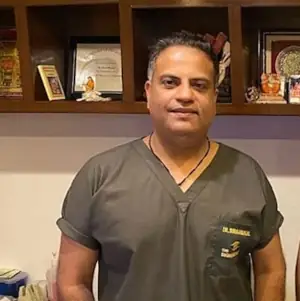
Dr Suraj Munjal
LASIK
MBBS, MS
Delhi
Dr Suraj Munjal is a well renowned name in Eye care not only in Delhi NCR, but the entire North India. With proficiency in refractive surgeries and corneal transplants, Dr Munjal is considered one of the best eye doctors in India and manages a wide array of complex and referred cases from across India and other countries. He is widely regarded as the best eye doctor in Delhi and has amassed extensive experience in performing successful LASIK surgeries.
With his dedication to delivering exceptional eye care, Dr Munjal is committed to providing affordable and personalized treatments without compromising on ethics. His commitment has led him to perform surgeries in various Middle Eastern countries, including Iraq, Dubai, Kurdistan, and Bahrain, at the invitation of local governments.
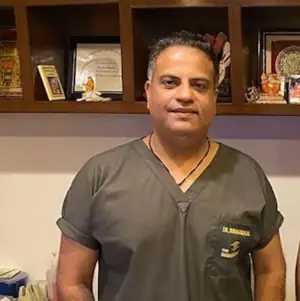
Dr Suraj Munjal
LASIK
MBBS, MS
Delhi
Dr Suraj Munjal is a well renowned name in Eye care not only in Delhi NCR, but the entire North India. With proficiency in refractive surgeries and corneal transplants, Dr Munjal is considered one of the best eye doctors in India and manages a wide array of complex and referred cases from across India and other countries. He is widely regarded as the best eye doctor in Delhi and has amassed extensive experience in performing successful LASIK surgeries.
With his dedication to delivering exceptional eye care, Dr Munjal is committed to providing affordable and personalized treatments without compromising on ethics. His commitment has led him to perform surgeries in various Middle Eastern countries, including Iraq, Dubai, Kurdistan, and Bahrain, at the invitation of local governments.

Dr. Nishikant Borse
Retinal Surgery
MBBS, MS, FMRF, FASRS
Mumbai
Dr. Nishikant Borse is not only regarded as one of the best ophthalmologists in Mumbai, but also one of the best eye doctors in India. With more than 25 years of experience and more than 10,000 surgeries to his credit with challenging retina cases, he is one of India’s top retina surgeons. After completing his medical studies at the illustrious Grant Medical College in Mumbai and earning a Master’s degree in Ophthalmology, he underwent advanced training and Fellowship at the prestigious Sankara Nethralaya in Chennai.
Dr. Borse is frequently asked to speak as a guest speaker at conferences all around the country and the world. He has led various training sessions for teaching the complexities of retinal surgery in Mumbai and other areas of the country. He has carried out real retinal procedures at numerous conferences. He has had a number of research papers published in both domestic and foreign journals.
Dr. Borse has been many awards nationally and internationally, like The Rhett Buckler Award by the American Society of Retina Specialists, Cesare Forlini Award by the European Vitreoretinal Society, C S Reshmi Award by the All India Ophthalmological Society,
He is a member of the Bombay Ophthalmologists Association, the Maharashtra Ophthalmological Society, the All India Ophthalmological Society, the Vitreo-Retinal Society of India, the American Academy of Ophthalmology, and the International Society of Ocular Trauma. He is also a Fellow of the American Society of Retina Specialists.
American Academy of Ophthalmology, and the International Society of Ocular Trauma. He is also a Fellow of the American Society of Retina Specialists
Best Eye Hospitals in India
Apollo Cradle Maternity & Children’s Hospital, Jubilee Hills, Hyderabad
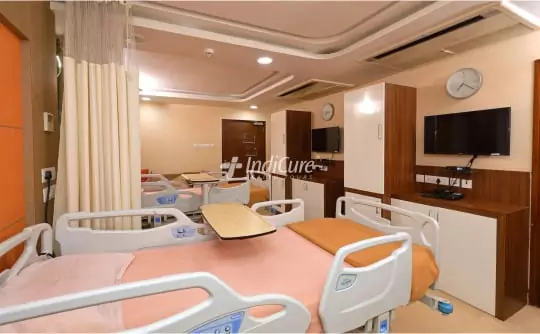
Location: Hyderabad
Speciality: Gynecology, IVF & Pediatrics
Loading...
Loading...
Apollo Cradle Maternity & Children’s Hospital Jubilee Hills is known as a Centre of Excellence in Women’s and Children’s care. It is a member of the Apollo Group of Hospitals, which strives to make high-quality, international healthcare accessible to everyone. Gynecology and Obstetrics, Maternity, Pediatrics, Neonatology, Fetal Medicine, High-risk Pregnancy, and Fertility are among the hospital’s specialties. This Hospital embodies its three core concepts, namely clinical quality, personalized care, and state-of-the-art infrastructure, with attractively designed furnishings and a welcoming ambiance.
Nova IVF, Bangalore
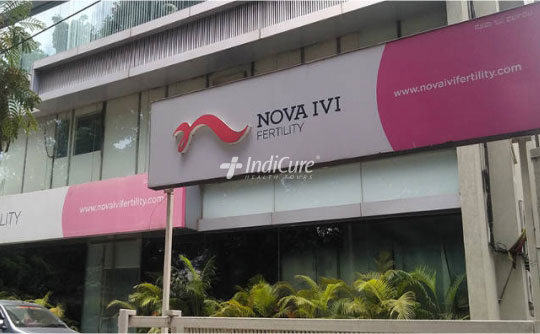
Location: Bangalore
Speciality: IVF
Loading...
Loading...
Since its inception in 2011, the Nova IVI Fertility Centre in Sadashivanagar has assisted thousands of couples in their quest to become parents. Koramangala, Sadashivanagar, and Kammanahalli are the three locations in Bangalore where the centres are located. The clinic has the proper combination of technology and expertise to provide the finest treatment possible in compliance with international standards.
What is Cataract Surgery?
The aim of your lens is to help you see by bending (refracting) light rays that enter your eye. Your own lens should be clean, but it is clouded because of a cataract. It’s like looking through a cloudy or dirty automobile windshield when you have a cataract. Things may appear fuzzy, indistinct, or less vibrant.
A cataract can only be removed by surgery. When a cataract prevents you from performing things you desire or need to accomplish, an ophthalmologist will prescribe cataract removal.
When is Cataract Surgery required?
If you’re over 40 and suffering the signs and symptoms of cataracts, speak with your eye doctor to see if you’re a candidate for cataract surgery. He or she can tell if cataracts are the problem or if something else is interfering with your vision.
Your eye doctor can determine if cataract surgery is a possibility for you once you’ve been diagnosed and discussed your medical history.
How is Cataract Surgery done?
Step 1
Your eye will be numbed with eye drops or with an injection around the eye. Your surgeon looks through a special microscope.
Step 2
The surgeon creates tiny incisions (cuts, created by blade or a laser ) near the edge of your cornea. The surgeon uses these incisions to reach the lens in your eye.
Step 3
Using very small instruments, he or she will break up the lens with the cataract and remove it. Then the surgeon puts your new lens into place.
In most cases, your surgeon will not need to close the wounds with stitches. Over time, these “self-sealing” incisions will close on their own. While you recover after surgery, a shield will be placed over your eye to protect it.
What is the Recovery after Cataract Surgery like?
It’s common to have itching and slight discomfort following surgery for a few days. Rubbing or squeezing your eye is not a good idea.
On the day of operation, your doctor may ask you to wear an eye patch or a protective shield. During recovery, your doctor may also advise you to wear the eye patch for a few days following surgery and the protective shield while sleeping.
To prevent infection, reduce inflammation, and control eye pressure, your doctor may prescribe eye drops or other medications. These drugs are sometimes administered into the eye during surgery.
Full recovery could take anywhere from four to six weeks, depending on the nature and extent of your cataracts, as well as your physiology and ability to heal.
What Results Can I Expect from Cataract Surgery?
After the procedure, the results are gratifying. Within a few days after cataract surgery, your eyesight should improve. As your eye heals and adjusts, your vision may become fuzzy at first. Because you’re viewing through a new, clear lens, colors may appear brighter following surgery.
Questions to Ask
We at IndiCure completely understand your concerns and it is always our endeavor to provide the best outcome for every patient. Following is the list of questions you must ask before you embark on your journey for Cataract Surgery in India.
- Is it time for a cataract surgery?
- Is the surgeon board certified?
- How experienced is the Surgeon?
- Which language does the surgeon speak?
- Is the treatment done in a well-equipped facility?
- Can you give me any information on outcomes and complication rates?
- How much pain can I expect, and how will it be managed in the hospital and after I go home?
- What surgical option is recommended for me?
- What about the risks involved?
- Does the surgeon use a certified anesthetist?
- How long will the recovery period be?
Preparation for the Surgery
Prepare to answer questions about your:
- Medical history and exams
- Previous surgeries
- Current medication review
- History of smoking, drugs, or alcohol