Medical Tourism in India with MediTraWell | Explore healthcare options

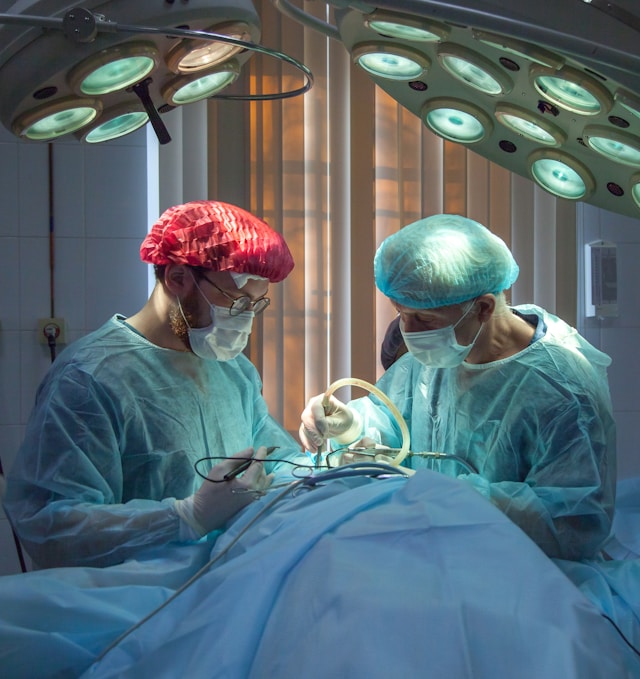
In 2026, medical tourism to India remains a compelling option for thousands of Americans seeking affordable, high-quality care, with the industry valued at over $12 billion and supported by government initiatives like “Heal in India.” While top-tier facilities deliver excellent outcomes comparable to U.S. standards, safety is not uniform across the country. Risks such as hospital-acquired infections, unqualified providers, facilitator scams, and gaps in follow-up care exist — particularly outside accredited centers. This guide provides a balanced, realistic assessment of the risks, common pitfalls, and practical steps to ensure a safe, successful medical journey to India.
Understanding the Real Risks and How They Compare to the U.S.
Medical procedures carry inherent risks everywhere, but certain concerns are more pronounced in medical tourism. National hospital-acquired infection rates in India average around 25%, significantly higher than the U.S. figure of about 5%. However, this national average masks huge variation: leading JCI-accredited hospitals report rates as low as 0.02–0.5% through rigorous protocols, advanced sterilization, and strict quality controls.
Other risks include complications from complex surgeries (generally 6–7% in accredited facilities, comparable to many U.S. centers), travel-related issues (jet lag, blood clots, or flying too soon post-surgery), and challenges with continuity of care once back home. Cosmetic and elective procedures sometimes see higher complication reports due to less oversight in lower-tier clinics.
Nuances and Edge Cases: High-risk patients (e.g., those with multiple comorbidities, obesity, or needing transplants) face amplified challenges. Antibiotic-resistant “superbugs” like NDM-1 remain a concern in some facilities, though top hospitals actively manage this. Post-operative infections or revisions can become expensive if not covered by travel insurance. Cultural and dietary adjustments, plus language barriers outside international wings, can affect recovery if not planned for.
Common Scams and Red Flags to Watch For
Most issues in medical tourism stem from poor choices rather than the destination itself. Common scams include:
- Unlicensed or fake facilitators promising unrealistically low prices, then adding hidden fees for tests, medications, or extended stays.
- Touts at airports or online directing patients to substandard clinics for kickbacks.
- Over-promising outcomes or pressuring rushed decisions without proper second opinions.
- Fake “government” tourism offices or agencies selling inflated packages.
Reddit threads and patient forums frequently highlight stories of patients lured by low quotes only to face surprise bills or inadequate facilities. Lack of transparent contracts, missing detailed treatment plans, or pressure to avoid video consultations are major red flags.
Mitigation: Always use verifiable facilitators tied to accredited hospitals. Demand itemized quotes, review recent patient testimonials (with photos/videos where possible), and avoid cash-only deals. Government-backed medical visas and hospital invitation letters add legitimacy.
How to Choose Trusted Hospitals and Ensure a Safe Experience
Safety in 2026 hinges on deliberate selection. Prioritize hospitals with:
- JCI Accreditation (45–60+ facilities in India) — the international gold standard matching U.S. benchmarks for safety and quality.
- NABH Accreditation (over 1,600 hospitals) — India’s rigorous national standard.
Top trusted names for international patients include Apollo Hospitals (multiple cities), Fortis, Medanta – The Medicity, Max Healthcare, Narayana Health, and Kokilaben Dhirubhai Ambani Hospital. These centers feature dedicated international patient departments, English-speaking staff, telemedicine follow-up, and published outcome data.
Practical Checklist:
- Verify accreditations directly on JCI and NABH websites.
- Request surgeon credentials, success rates, and complication statistics.
- Insist on video consultations and detailed written treatment plans.
- Choose hospitals with strong international wings offering airport transfers, companion accommodation, and Western-friendly meals.
- Secure comprehensive travel/medical insurance that covers complications and evacuation.
- Work with established facilitators who provide 24/7 support and transparent contracts.
Edge Considerations: For complex cases, opt for high-volume centers where surgeons perform hundreds of procedures annually. Plan follow-up with your U.S. doctor via shared electronic records. Government efforts like streamlined e-Medical Visas and quality initiatives continue to raise standards.
Conclusion
Medical tourism to India in 2026 can be both safe and highly rewarding when you choose accredited hospitals and follow due diligence — delivering world-class outcomes at 60-90% savings without compromising quality. The key difference lies not in geography but in preparation: risks exist primarily with unverified providers, while top facilities consistently match or exceed international benchmarks for safety and patient satisfaction. Thousands of Americans return home successfully each year, crediting thorough research for their positive experiences.
If you’re considering treatment in India, start with a free consultation from a reputable facilitator. Share your medical records for a personalized assessment, hospital recommendations, and transparent cost breakdown. Your health journey deserves both excellence and peace of mind — informed choices make all the difference.