Medical Tourism in India with MediTraWell | Explore healthcare options


In 2026, medical tourism to India continues to surge as thousands of Americans seek high-quality, affordable healthcare solutions amid rising U.S. medical costs and wait times. India offers world-class JCI-accredited hospitals, internationally trained specialists, advanced treatments across 100+ specialties, and savings of 60-90% compared to domestic prices. This comprehensive guide walks U.S. residents through every stage of the journey — from initial consultation and medical visa to treatment, recovery, and safe return home — empowering you to make informed, confident decisions for a seamless medical travel experience.
Step 1: Planning, Research, and Medical Visa Process
Successful medical tourism begins with thorough preparation. Start by gathering your complete medical records, including scans, lab reports, prescriptions, and a referral letter from your U.S. physician. Share these securely with shortlisted Indian hospitals for a free virtual second opinion and detailed treatment plan, typically available within 48-72 hours.
Focus on JCI-accredited or NABH hospitals with strong international patient departments, such as Apollo, Fortis, Medanta, or Narayana Health. Compare packages for transparency — all-inclusive options often cover surgery, hospital stay, medications, diagnostics, and companion support.
Medical Visa (e-Medical Visa) for U.S. Citizens:
Apply online via the official Indian e-Visa portal. Key requirements include:
- Valid U.S. passport (minimum 6 months validity, 2 blank pages).
- Official invitation/treatment letter from the Indian hospital on letterhead.
- Recent passport-size photos and supporting medical documents.
- Proof of financial means (bank statements or sponsor letter).
The e-Medical Visa is usually granted for 60 days (extendable) with up to 3 entries and processes quickly — often within 72 hours. A companion can obtain a Medical Attendant Visa. Reputable facilitators assist with documentation, invitation letters, and submission to minimize delays. Apply early, especially during peak seasons.
Nuances: Check travel fitness with your U.S. doctor. Factor in flights ($800–$1,500 round-trip), insurance for trip-related issues (U.S. Medicare rarely covers overseas treatment), and currency (USD to INR exchange). Budget for post-treatment tourism or wellness if recovery allows.
Step 2: Arrival, Treatment, and Hospital Experience
Upon landing in major hubs like Delhi, Mumbai, Chennai, or Bangalore, dedicated hospital coordinators provide airport pickup, private transfers, and assistance through immigration. Many hospitals offer airport lounges for medical travelers.
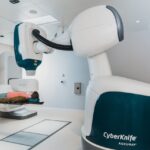
You’ll undergo final pre-op evaluations before treatment. Top facilities feature robotic surgery, proton therapy, advanced imaging, and hybrid ORs. English-speaking staff and dedicated international wings ensure comfort: private rooms with companion beds, customized Western/vegetarian meals, 24/7 nursing, interpreters, and cultural sensitivity training.
Treatment timelines are efficient — elective procedures often occur within days of arrival, unlike months-long U.S. waits. Multidisciplinary teams (surgeons, oncologists, cardiologists, etc.) review cases collaboratively. Post-procedure, pain management, physiotherapy, and holistic options like yoga or Ayurveda accelerate healing.
Edge Cases and Considerations: High-risk patients receive enhanced monitoring. Infection control follows global standards in accredited centers. Transparent billing avoids U.S.-style surprises. Communicate openly about concerns — coordinators act as advocates.
Step 3: Recovery, Follow-Up, and Safe Return to the USA
Recovery in India is often more relaxed and supported. Hospitals provide extended stays or partner guesthouses/resorts for rehabilitation. Many patients enjoy light sightseeing or wellness retreats once cleared, blending healing with cultural experiences.
Before discharge, receive comprehensive reports, medications, and a detailed follow-up plan. Telemedicine bridges care with your U.S. doctors — many Indian specialists offer virtual consultations post-return. Arrange domestic follow-up appointments in advance.
Returning Home: Most patients fly back 1-4 weeks post-surgery, depending on procedure. Airlines may require medical clearance forms. Upon return, monitor recovery closely and keep records for any insurance claims or tax deductions (medical expenses). Long-term success rates in top Indian centers often match or exceed U.S. averages for elective cases.
Potential Challenges and Mitigations: Jet lag, dietary adjustments, or rare complications are managed proactively. Choose experienced facilitators for 24/7 support. Always verify credentials and read recent patient testimonials.
Conclusion
Medical tourism in India offers American travelers a proven pathway to affordable, high-quality care with end-to-end support from visa to full recovery. In 2026, the combination of cost savings, cutting-edge technology, compassionate service, and streamlined logistics makes it an empowering choice for those seeking timely treatment without financial devastation. Whether for cardiology, orthopedics, oncology, or elective procedures, proper planning ensures a safe, successful journey.
Ready to explore your options? Contact a trusted medical tourism facilitator for a free consultation, personalized treatment plan, and cost estimate. Take control of your health — your journey to healing in India can begin today.